

Overview
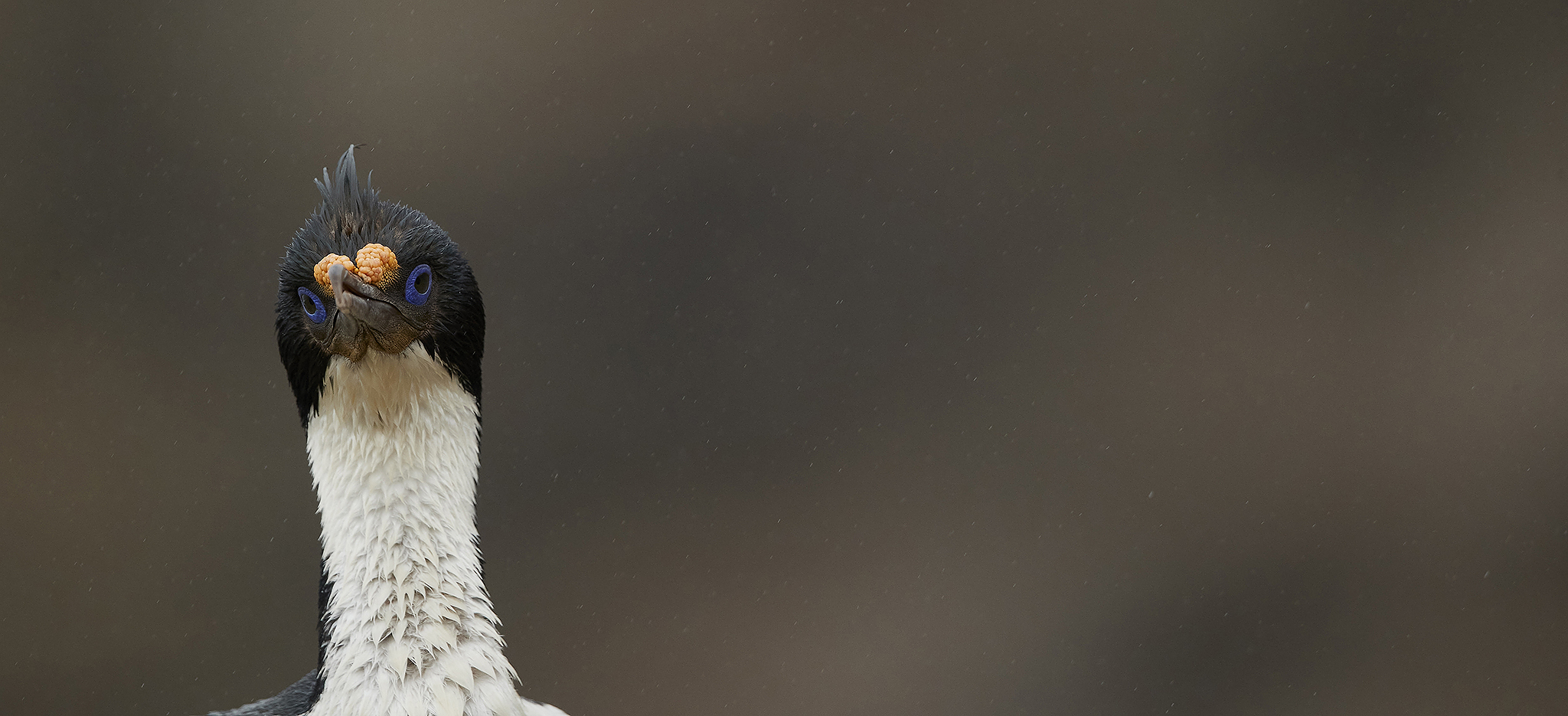
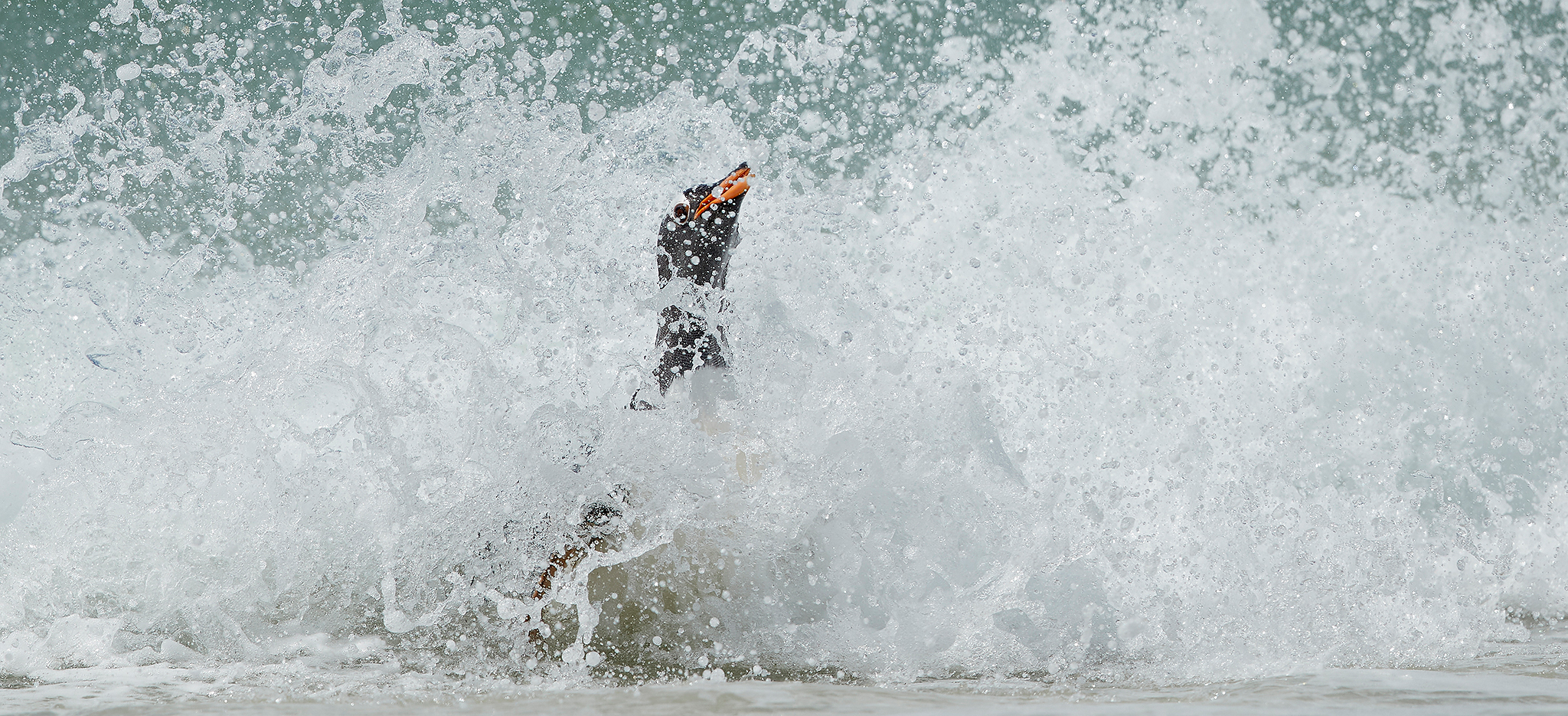
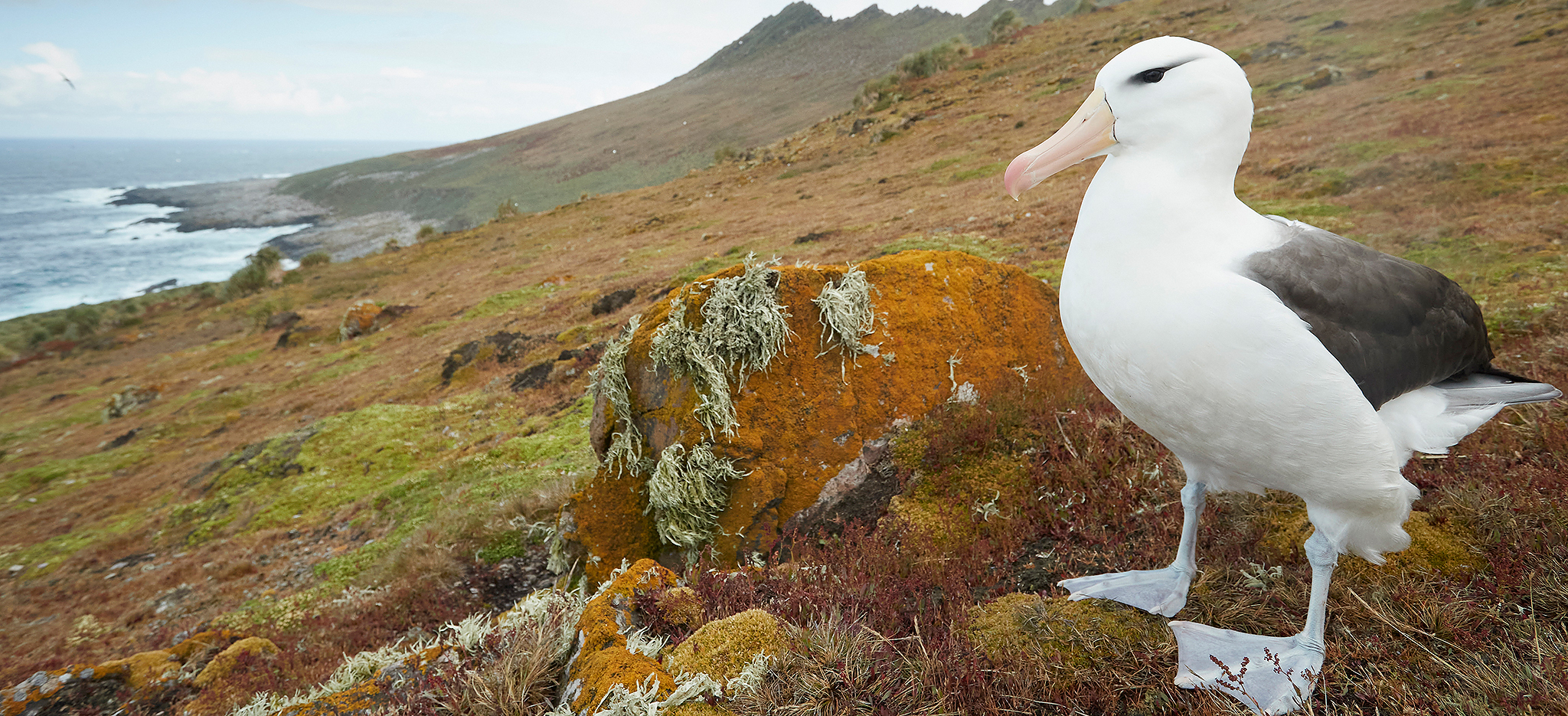
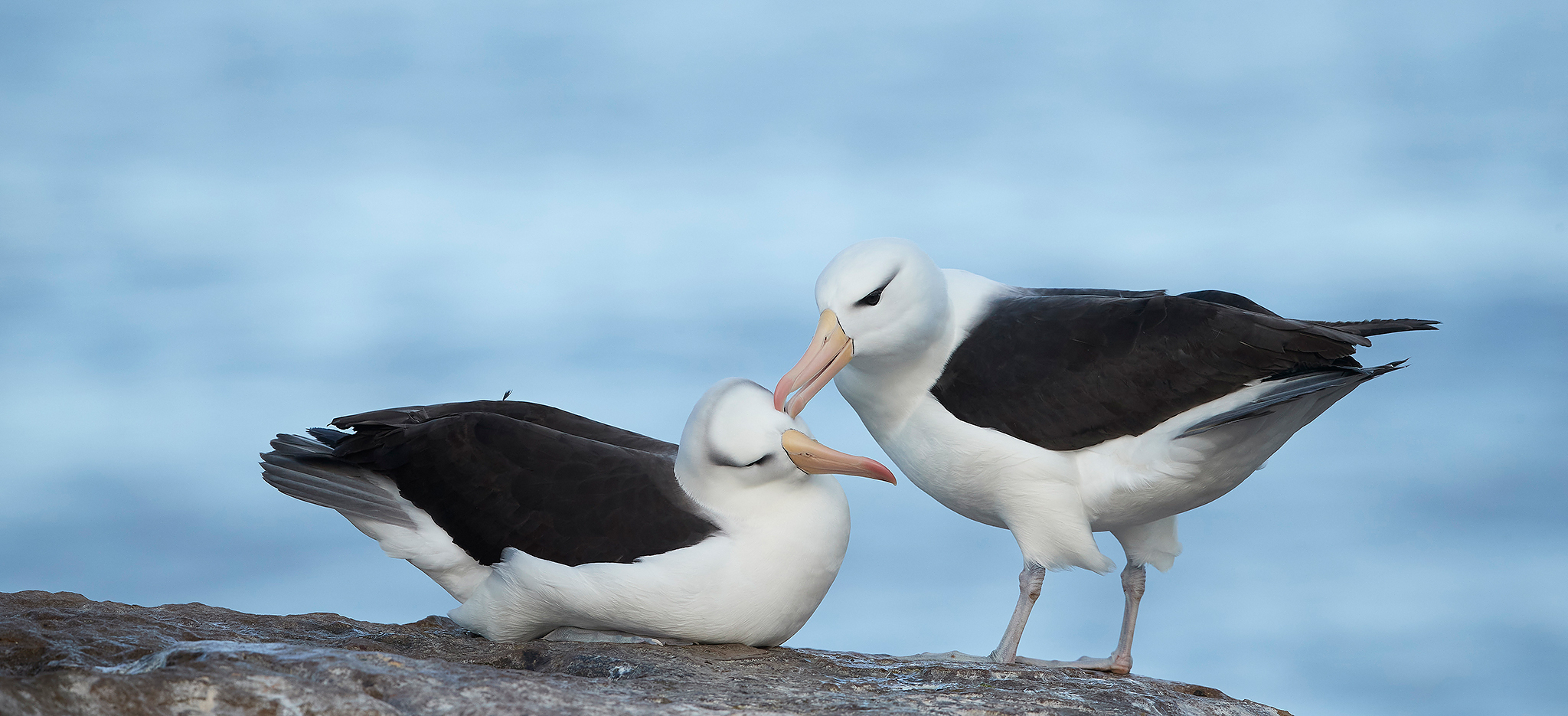
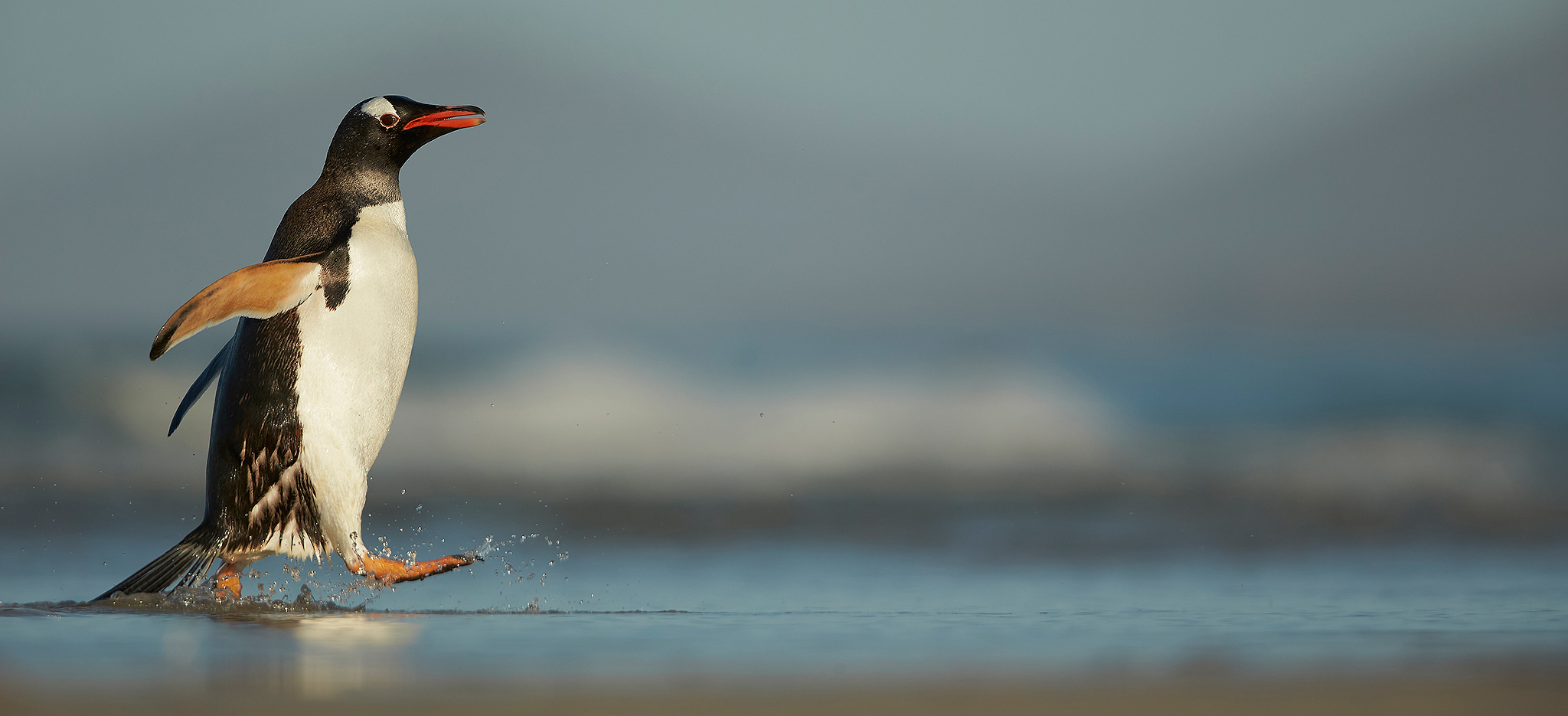
The Falkland Islands may be one of the remotest archipelagos in the world, but they are also among the most dramatic when it comes to wildlife photography opportunities. The isolated beaches here are home to some of the most engaging and confiding seabirds in the world – the elegant King Penguin in their large rookeries, the acrobatic Gentoo Penguin flying out of the sea on an incoming wave, the majestic Black-browed Albatross atop their chimney-like nests in their vast isolated colonies and the striking colours of Imperial Shag will be among the many highlights of this full-on and highly focussed trip. With the last young Elephant Seal and Sealion at a couple of locations we visit too it’s not just birds on offer either. Our itinerary is structured to allow ourselves enough time at each place to really do them the justice that a trip of this nature really warrants and at this time of year with most penguin chicks now well developed, King Penguin chicks hatching and albatross chicks sitting proudly on their chimney-like nests it’s a busy and photographically varied time of the season too. This really is a place that will simply blow you away photographically and a genuine trip of a lifetime.
Itinerary Open +Close -
Day 1: We will leave this evening on a late overnight flight from London Heathrow to Santiago in Chile where we will arrive the next morning.
Day 2: After our arrival in Santiago, we will settle into a local airport hotel to freshen up, overcome our jetlag fully and have an overnight stay ahead of our flight to the Falklands the following morning.
Day 3: It’s an early departure for our flight which stops in Punta Arenas en route, through to the Falkland Islands arriving in the early afternoon. After we arrive at Mount Pleasant airfield we will transfer to our hotel in the heart of Stanley where we will settle in, acclimatise, enjoy an evening meal stretch our legs and maybe even our camera fingers on the nearby shore.
Day 4: Using the Falkland Islands Government Air Services (FIGAS) we will transfer this morning to Carcass Island in the west of the Falklands which will stop for 1 night and get ourselves up and running in terms of our photography. Carcass is a small peaceful island that holds a very large and wide variety of bird species which are all highly approachable and confiding and has our favourite Imperial cormorant colony in all of the islands and so we’ll likely focus there this afternoon as there will be lots of action with chicks galore!
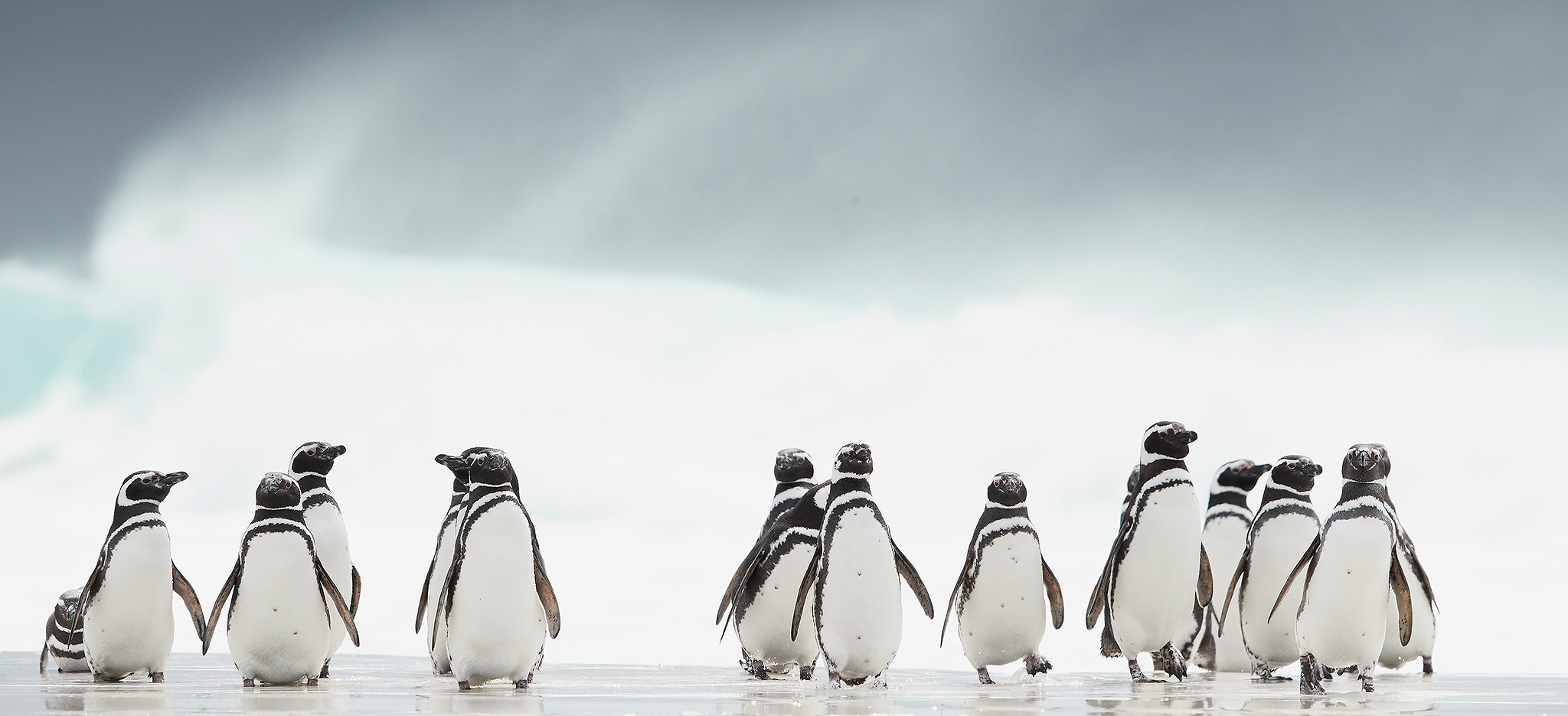
Day 5: This morning we will head to the justifiably popular Bleaker Island where we will get our first serious time with penguins. Bleaker is home to a tidy Rockhopper colony, close to the accommodation and which works well with both first and last light: there is occasional a Macaroni penguin in amongst the colony and there are Rock Cormorants to be found on the cliffs nearby as well. The island also has a beautiful sandy beach which sees good numbers of Gentoos and Magellanics using it as their way in and out of the sea and with both species now having well grown chicks there will be lots of activity throughout the day but especially in the afternoon and evening as parents return with food.
Day 6: We have a full day to take full advantage of the variety that Bleaker Island has to offer – we’ll have access to a vehicle at all times so we can well and truly explore both the highlights and some of the other pools and corners as well and it’s sure to be productive location as it always is.
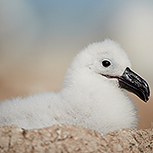
Day 7 – 9: We will make our transfer, again using FIGAS, to Saunders Island where we will be based for 3 nights at the 2 different locations offering accommodation on this particular island. The first, at the justifiably famous The Neck puts as at the heart of the island’s penguin colonies and also a huge beach area facing both north and south (hence its name as it is literally a neck on the island). It is home to the largest colonies of Gentoo Penguins in the archipelago with Rockhoppers, Magellanics and a small but growing King Penguin colony here alongside some of the island’s Black-browed albatross colonies too. The accommodation is quite basic at The Neck, and we will have to self-cater for the 2 nights in question, but it offers a fantastic location, and offers exceptional photographic opportunities so is well worth it. We will return to the settlement itself for our last night here having spent that final day with an extended stay on the north of the island to enjoy the famous Rockhopper shower and the large numbers of Black-browed albatross to be found along this stretch of clifftop. They will have fluffy grey chicks at this time of year often sitting alone on their iconic tower like nests.
Days 10 – 11: FIGAS will transfer us this morning to the very nearby Sealion Island where we will be based for 2 nights. Sealion is home to a large number of Gentoo Penguin colonies which at this time of the year will have large and very photogenic chicks. It has one of the best beaches to photograph parents returning to feed them in the afternoon and evening too. There is also a Rockhopper Penguin colony which provides a secondary focus along with geese and waders offering plenty of other options too so there is a lot to continue our portfolio building here.
Day 12: Using FIGAS, we will transfer back to Port Stanley and the hotel we stayed at when we first arrived for our final 4 nights. For half of the group, it will be a very quick turnaround as they will be heading straight to Volunteer Point to overnight.
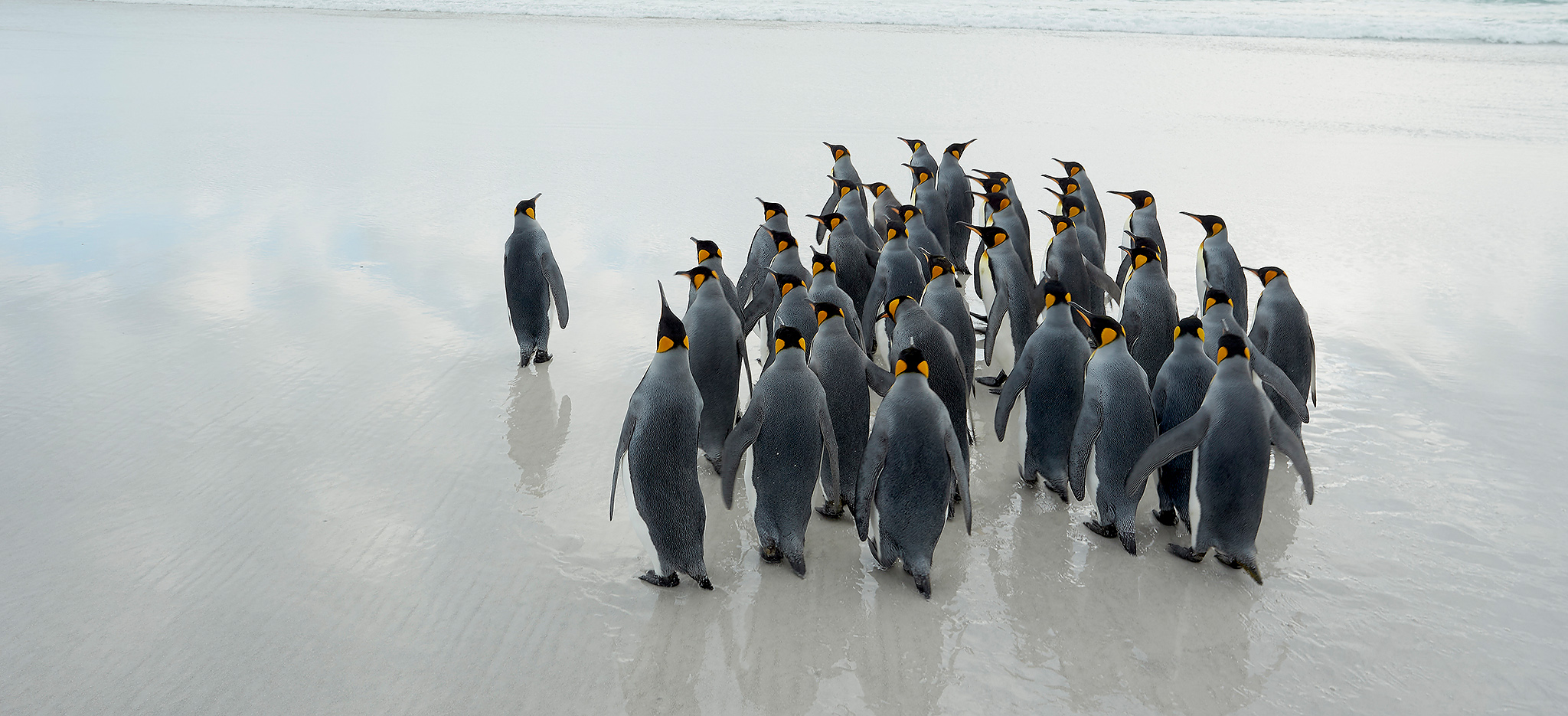
Days 13 – 14: Both these days will be long but rewarding and spent at one of the photographic jewels of the Falklands, Volunteer Point. This is the home of the largest King Penguin colony and there should be over 1000 birds here at all stages from first year young, new-born chicks and many adult birds. These birds are remarkably approachable, and the photographic opportunities are almost endless at what is one of the most scenic locations in the world that they breed at, and it justifies a full three days here to finish the trip. Sealion fish off the beach and there is also a Gentoo Penguin and Magellanic Penguin colony here. Based on the weather we will look to get to the beach area as early as practical (it is approximately 2 hours each way by land rover) and during the course of the two days everyone will spend one night at the small warden’s house on the beach (we will fill it up with just half of us and hence why half of the group will have headed here the previous afternoon) with the other half returning to Stanley and returning to Volunteer for the next day. This way everyone gets the opportunity of an evening and early morning’s photography here.
Day 15: Today we have a full day trip to an excellent location on the north coast, Cape Bougainville. Its location allows for a full day working as the sun moves from one colony to another around the headland and here there are colonies of Rockhopper penguins (as well as a few Macaroni’s mixed in with them – this is the most consistent place in the archipelago to find this 5th species) as well as Imperial shags making it an excellent place to spend the day as both species will have independent but still fluffy chicks. We’ll plan our days start and end times based on the weather forecast to get the best light possible.
Day 16: Today, our last full day sadly, we have a further full day trip to an equally excellent location at Kidney Cove. As well as all four main species of penguins (and once again the possibility of a rogue Macaroni to complete the set) then the usual accompanying species we have come to know and love over our time here will be present in this, a different and very photogenic set of locations.
Day 17: For our final early start, we will sadly be heading only to the airport at Mount Pleasant for the flight back to Punta Arenas in the morning from where we will catch an additional domestic flight up to Santiago where we will base ourselves at an airport hotel ahead of our return flights to Europe the next day.
Days 18 – 19: We will leave Santiago around lunchtime for our overnight flights back to Europe which arrive the following morning.
What our customers say
“A trip that way exceeded all of our expectations.”
“To spend such intimate time with the albatross was so unique and special that I will never forget it.”
“This trip was a dream for me, and I can honestly say it was the best trip I could ever have had.”
“The wildlife was stunning, and we had loads of time to work on our shots.”
Showcase gallery
Guest gallery