




Overview
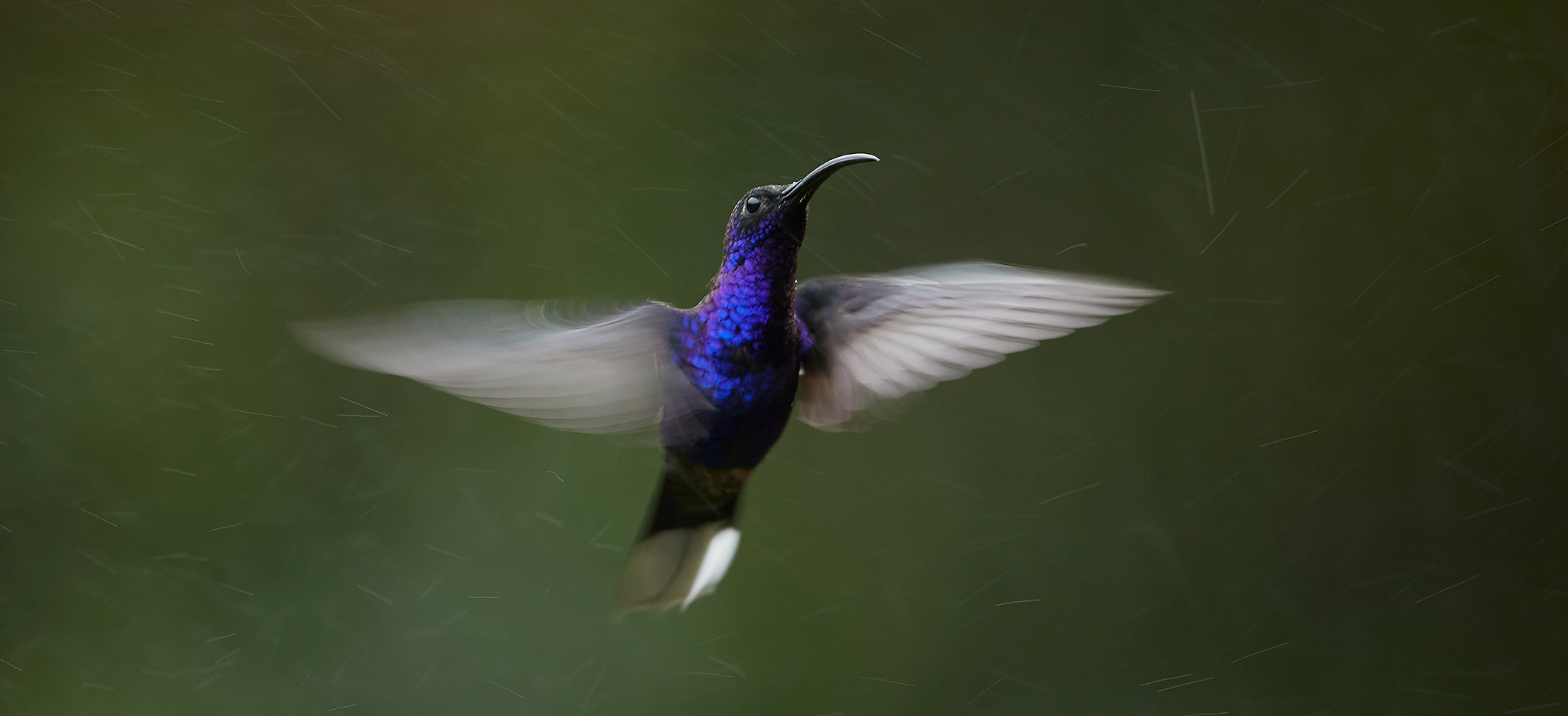
When it comes to the sheer vibrancy of colour, the birdlife to be found in the rainforests is almost untouchable. With a well-developed tourist infrastructure, Costa Rica represents one of the best places in Central America to photograph it too and this trip will take us to some of the very best places to do so. Our lodges in the central part of the country are situated in the prime rainforest and cloud forest respectively and their array of feeders attract a huge variety of hummingbirds and we will concentrate on achieving both natural lighting and high-speed flash images of these delicate beauties as well as searching for the iconic Resplendent Quetzal.
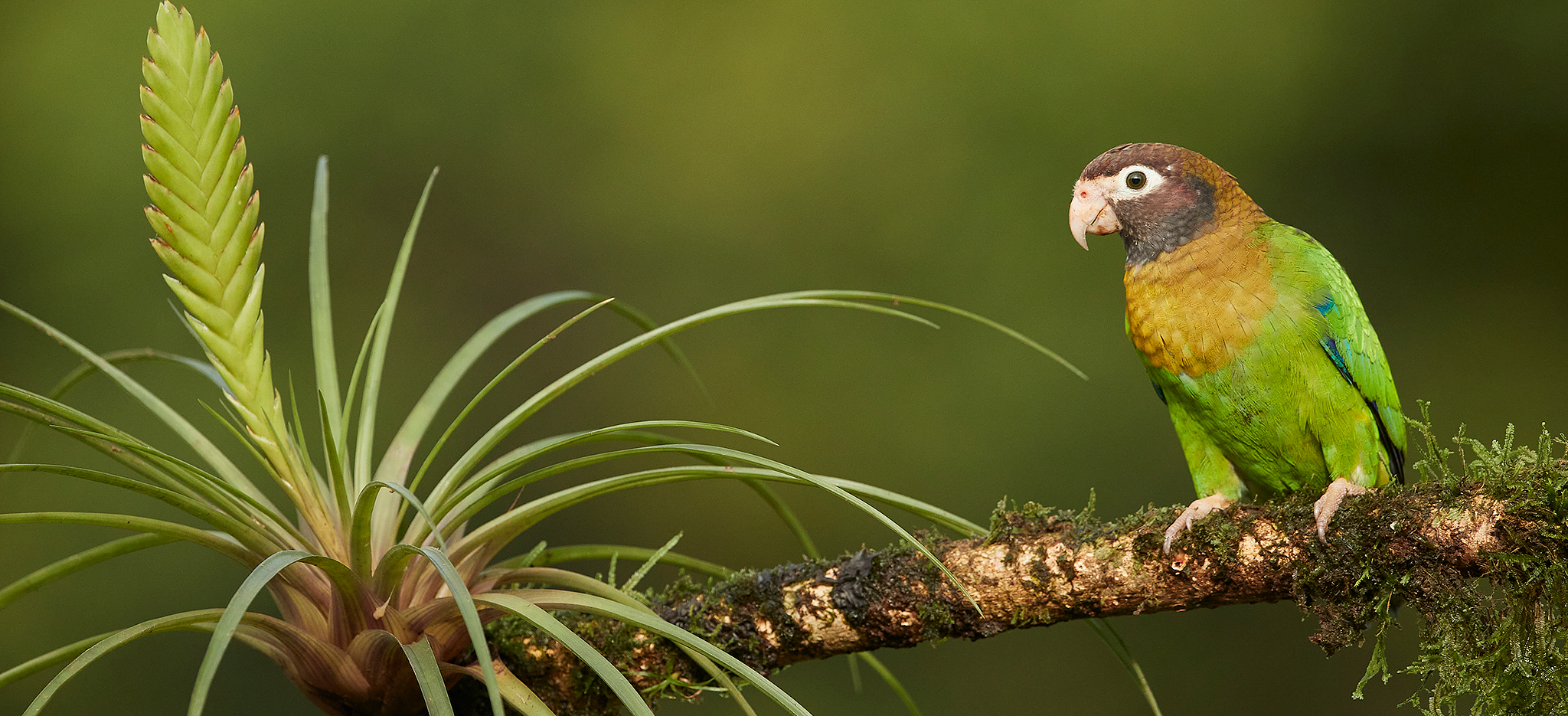
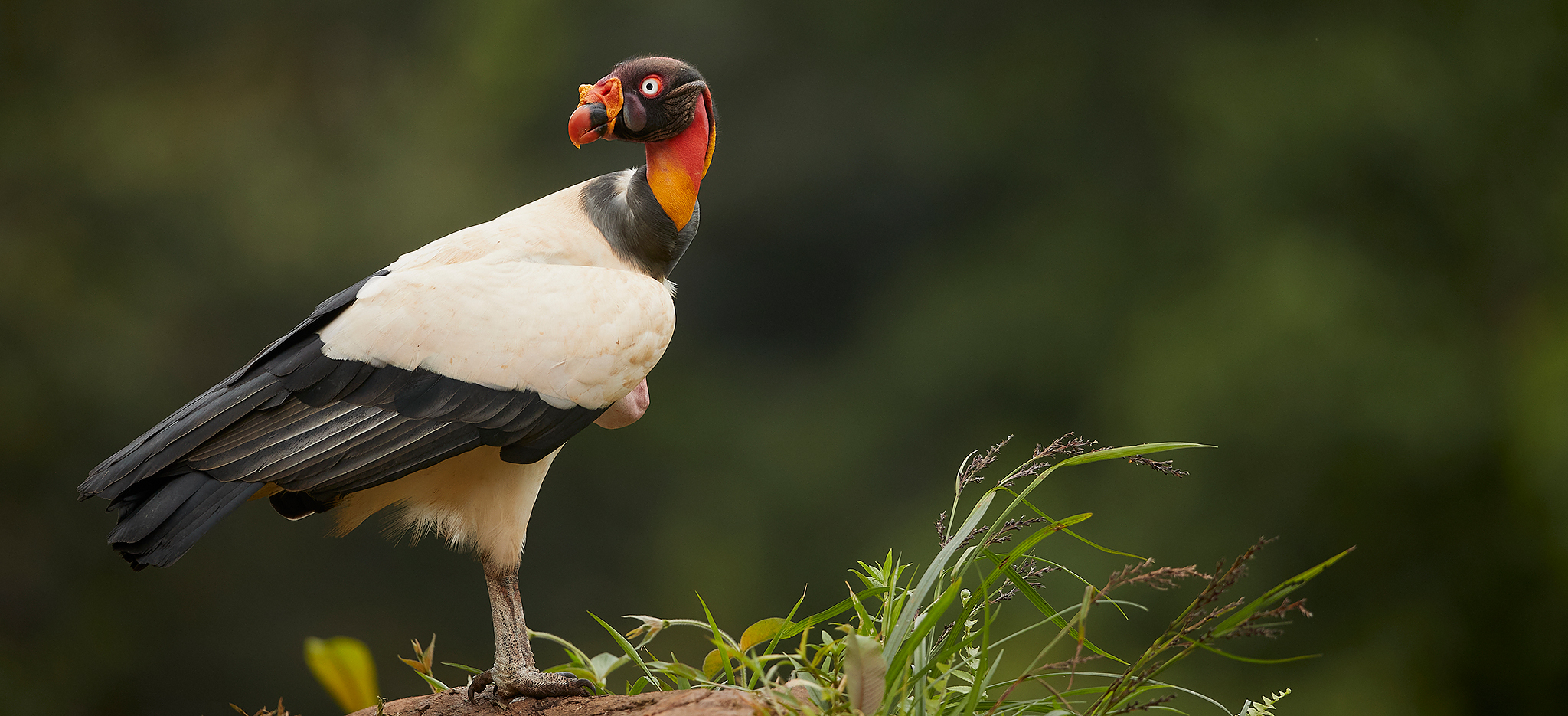
Further north we will have several days working from bespoke hides with unique glass fronts and open balcony areas for amazing viewing and photography of toucans, parrots, tanagers and an array of other striking bird species in their amazing rainforest settings; the highly colourful King Vulture is another real possibility here too and we will also look to turn our high-speed flash photography experiences to bats during the hours of darkness! Costa Rica has become one of the most popular destinations in the world for bird photography and we have been running trips to this wonderful country for many years and as a result have fine turned our trip to maximise the best potential that this special place has to offer.
Itinerary Open +Close -
Day 1: Today will be a long day of travelling to San Jose, the capital of Costa Rica. We will be arriving in the afternoon, so we will transfer to a local hotel to get some well-earned rest. Please note that British Airways regularly change the days they fly direct to San Jose and so it may be necessary to depart 24 hours earlier. We will advise when flight schedules become available, and we are looking to book them but do note this for your diaries.
Day 2: After breakfast we will head north on a 2 – 3 hour drive and our very comfortable eco-lodge base for the next 2 nights in the high-altitude cloud forest mountains of Parc Nacional Juan Castro Blanco. The grounds here offer some of the best hummingbird photography opportunities of the trip with coatimundi and agouti also regular visitors and we should arrive in time to start some photography that afternoon.
Day 3: Situated in a stunning montane rainforest location this Eco-Lodge offers the chance to further explore the rainforest on foot for an array of subjects. The birds though, and especially the hummingbirds such as the Violet sabre Wing and Magnificent Hummingbird that are the main attraction for us. Many feeders are present again providing the main focus for our photography as we start on building our portfolios in terms of both species and image styles.
Day 4: After a final breakfast we will return to our vehicles and a 2 – 3 hour drive north to our base for the next three nights close to the Nicaraguan border where a combination of hides and open-air photography opportunities await. We should arrive in time for some photography on arrival: there are often toucans to greet us as we do and so the cameras will almost certainly get an immediate airing.
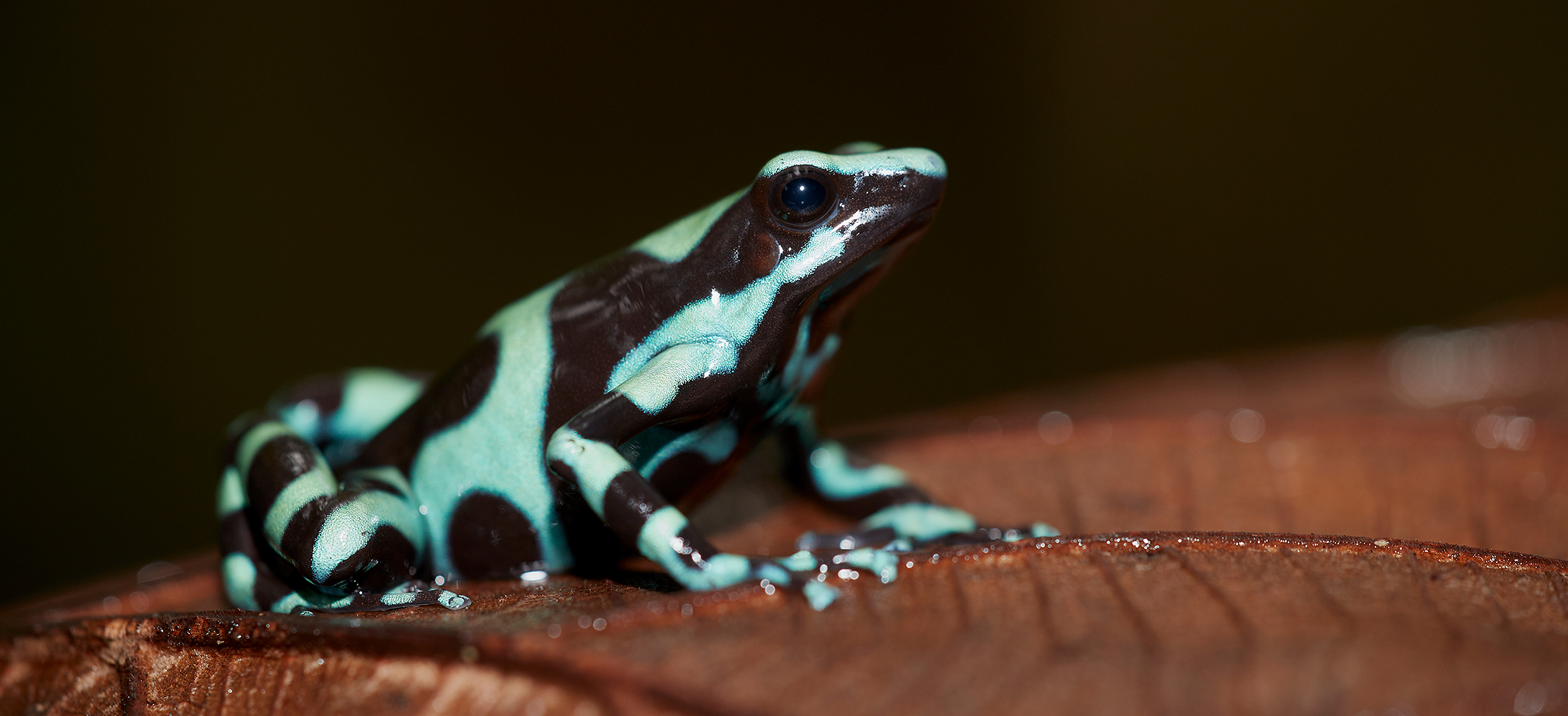
Days 5 – 6: Over the course of our further 2 full days here we will have the opportunity to work in a number of different settings created specifically for photography. The main setup is literally the balcony of the lodge itself with banana feeders as well as more traditional foliage perches which are frequented by toucans, tanagers, parrots, oropendola and aracari amongst others. A vulture focussed hide where we spend a half-day session attracts not just Black and Turkey Vultures but also the stunning King Vulture. Mammals, reptiles and amphibians await in the surrounding rainforest if you can find a spare moment too, and our nights will be spent using high-speed flash for bat photography in the nearby rainforest as well. It’s a wildlife photographer’s paradise here and we will be very busy throughout.
Day 7: We’ll continue our final photography here through until lunch (allowing us a full morning of photography) before starting our journey towards the southern part of the country, breaking our trip in the lush Sarapiqui region for tonight as we go, staying at a typical lodge with some forest trails and encounters to be enjoyed (and photographed) as the day comes to a close.
Day 8: After breakfast in the morning, we will continue our drive south-east back past San Jose to one of the country’s premier birding lodges set in the Turrialba region of the country. With over 400 different species having been recorded here its excellent reputation is well deserved. The balcony areas around the lodge are home to an array of hummingbird feeders which attract many different species, and this is where we will be focussing our photography on the first afternoon after we arrive and settle in – we are based here for 2 nights.
Day 9: Among the many hummingbird species, we aim to work with are Violet-crowned Woodnymph, White-necked Jacobin and Green-crowned Brilliant as well as the very striking and hard to find Snowcap which is a real speciality here: these are birds that really live up to their dramatic names too! Although the hummingbirds will be our main focus for our time here the paths around the lodge and surrounding rainforest also offers the potential for frog, butterfly, insect and floral photography too as we continue to build up a rainforest portfolio.
Day 10: After a final breakfast we will return to our vehicles and a 2 – 3-hour drive to our new cloud forest base in the Parc Nacional Los Quetzales which again has an array of feeders in the surrounding areas for us to work at. We will arrive in time to spend the afternoon with some different hummingbird photography in terms of both species and settings and there is the potential for some nice sunset opportunities here as well.
Day 11: The resplendent quetzal will be our main focus while we are here, and we plan to look for them on both mornings. This will consist of our own guided walk into the cloud forest to look for them: these incredibly rare birds are among Costa Rica’s avian jewels and the researchers in this small region are the best at finding them for us. During the afternoon. we will concentrate on our final hummingbird photography of the trip.
Day 12: After a further early morning quetzal walk followed by breakfast, we’ll begin the 3-4 hour drive back to San Jose in time for our early evening flights back to the UK/Europe.
Day 13: Arrive back in Europe.
What our customers say
“I especially enjoyed the fact that Mark & Paul were constantly on the lookout to create new opportunities for us all”.
“It was brilliant! We got more than we expected by way of macro subjects and the bats were an unexpected bonus (and probably the highlight of the trip!)”.
“I had always wanted to visit Costa Rica for its wide variety of birds and this trip way exceeded my expectations of them”.
“Way more photographic opportunities than I had expected – I loved the frogs and snakes most!”.
Showcase gallery
Guest gallery