


Bulgarian Beauties

This summer, I was in Bulgaria for 10 days in search of a particular balkan beauty, the elusive Apollo butterfly. It’s a species that many photographers admire for its sheer beauty and grace, and for me and the group, it was a journey from the UK to eastern Europe to photograph the Apollo, as well as an abundant range of butterflies, insects and reptiles. I was guiding the Mediterranean Macro trip for Natures Images, and this was my first time in Bulgaria during the summer, having visited a number of times during the winter. I was looking forward to seeing the country wearing its summer finery.
After landing at Sofia airport, a wave of heat hit us after a very chilly early morning in London at the start of our journey. This boded very well for butterflies & personal wellbeing.
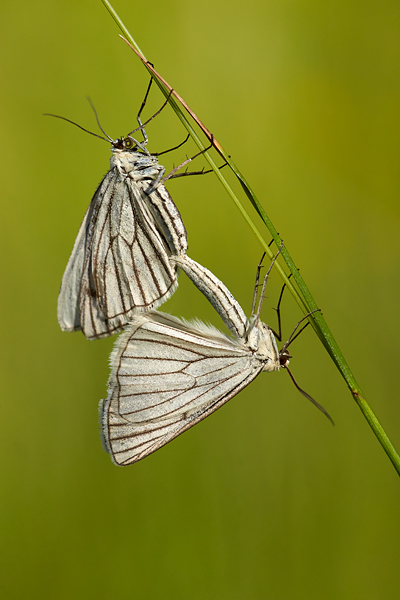
The UNESCO site of the Rila Monastery was the first stop for a day’s photography. It’s a stunning part of Bulgaria, and the wild flower meadows that surrounded the monastery were astonishing; just like the pastures-of-old across Britain. The cooler mountain air was perfect for early morning photography for example Black-veined Whites.
The group and I were packing the van to move on, when my Bulgarian colleagues Emil & Miro shouted “Ellie, Ellie come quickly, we’ve found a viper!”
This was the Horned viper, a beautiful femme fatale.
If you read a book called ‘Heat’ by Ranulph Fiennes, he is given some sage advice about the Horned viper: “If they bite you, kill an oryx and rub its blood on the bite. Then you may live…”. I didn’t fancy any of this to be honest, however she was a rare privilege to photograph.
Moving on to the small village of Melnik in the sub-hills of the Pirin Mountains, this area is best known for it’s cooler climate and also a monastery (there’s a theme running here). This was our base for the next three days.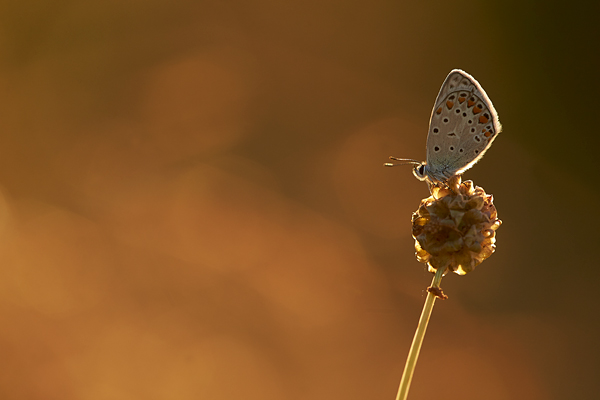
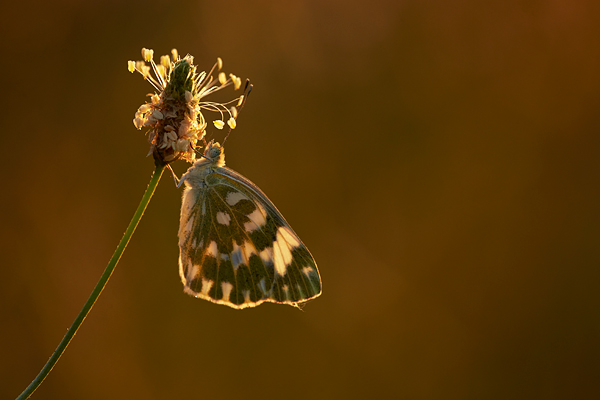
The natural meadows and early mornings provided some gorgeous back-lighting opportunities for Blues and the Eastern Bath White. My memory of these meadows was of the silence, watching the sun rise over the mountains and Golden Orioles calling from the trees. Priceless!
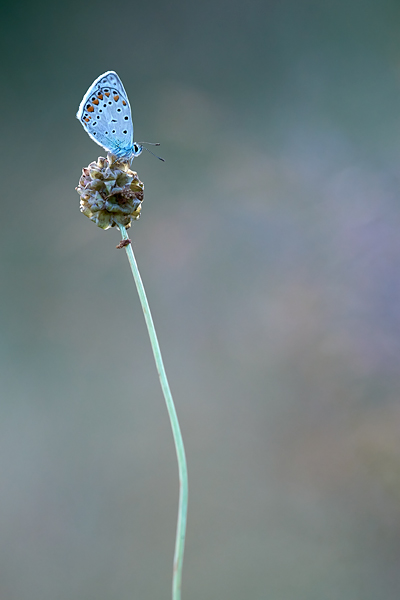
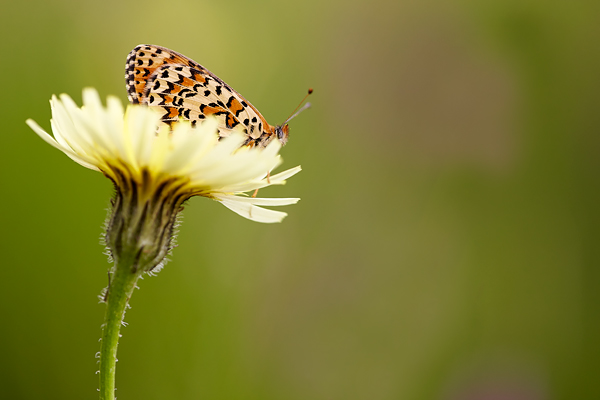
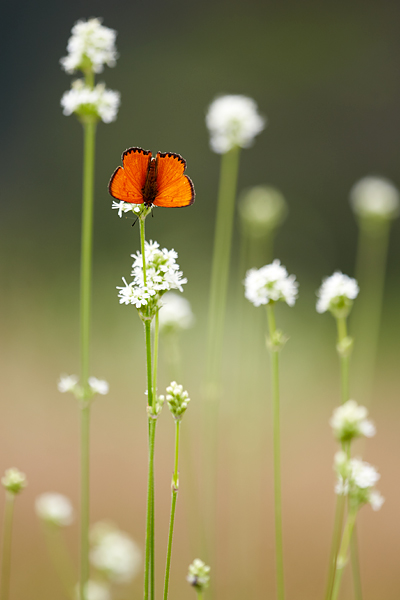
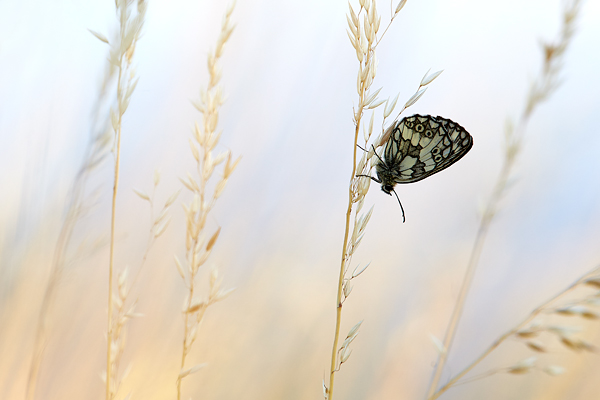
The wild flower meadows were incredible to see and supported a vast array of insects including fritillaries, coppers and blues. This particular meadow was brimming with a carpet of mountain pansies and gladiolus, and hundreds of grasshoppers jumped with every careful step. We found so many species of butterfly in this meadow, like the Lesser-spotted Fritillary, Scare Copper & Marbled White.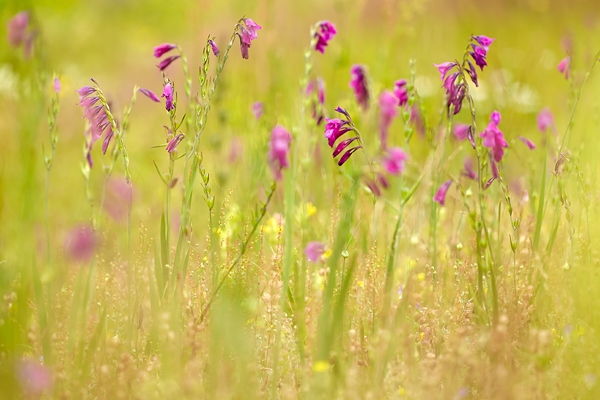
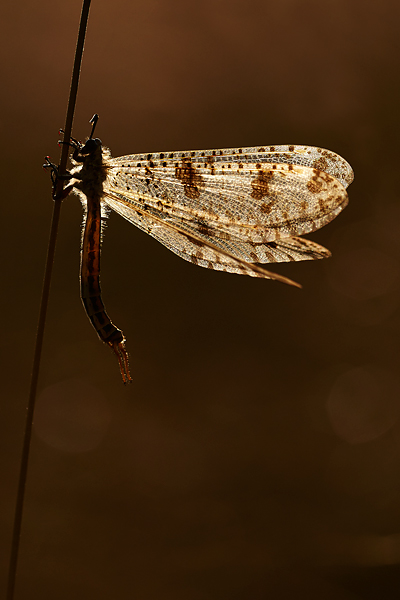
 At sunset, there was an opportunity to photograph the Antlion, a lacewing that looked stunning against the back-lighting. Those delicate, lattice wings really lended themselves to this type of photography.
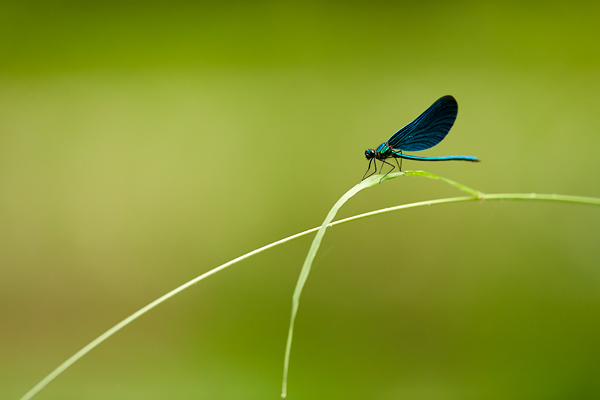
We also spent a morning photographing dragonflies and damselflies by a wooded stream; this particular Beautiful Demoiselle was guarding its spot ferociously, chasing away any competitors. Despite its lightening-fast moves, we had a good chance to focus the camera because it always landed in the same place.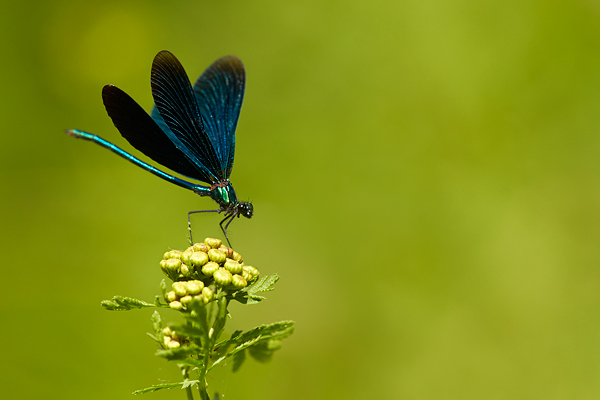
The area around the stream was teaming with activity, and this Silver-backed Fritillary was one of my favourites, taken against the dark background of the woods.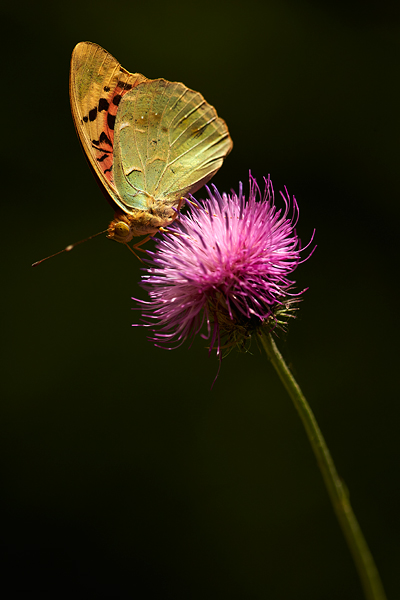
Further travelling, this time to the Western Rhodope mountains, which is another area famous for its monasteries. But would we find the Apollo butterfly?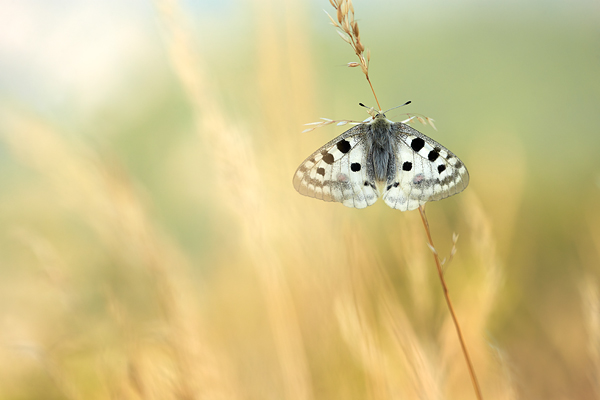
For the next two days we focussed on the Apollo, photographing this stunning, elegant butterfly in varying light conditions of early morning and sunset. For me this was the icing on the cake.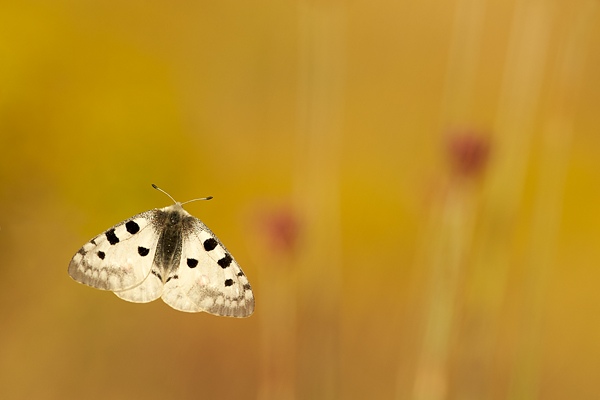
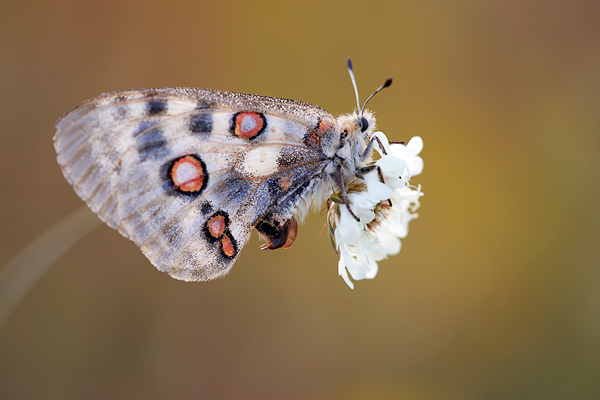
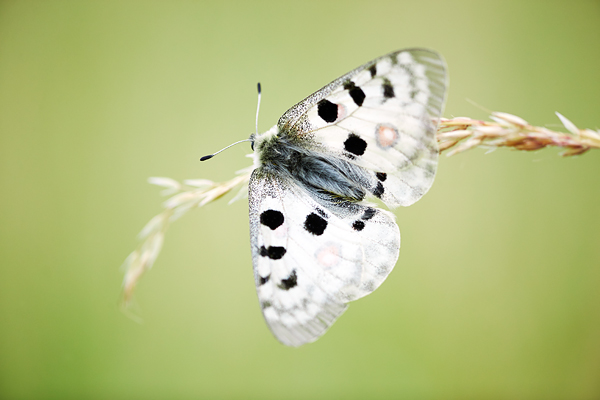
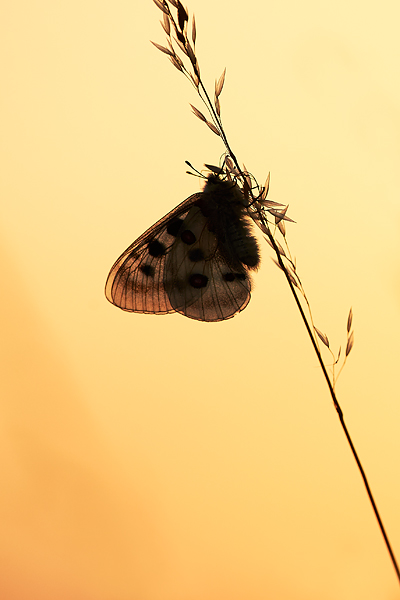
This trip was a prolific week for photography; everywhere we looked there was something to photograph.
The final day of the trip was then spent in the Vitisha mountains, an area close to Sofia. We had the chance to spend a couple of hours in a hide, close to a colony of Bee Eaters.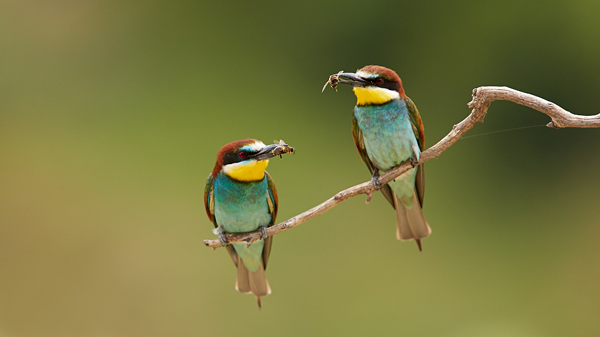
This was a perfect way to close the trip, photographing a species of bird that relies on bees, dragonflies and butterflies. It completed the circle.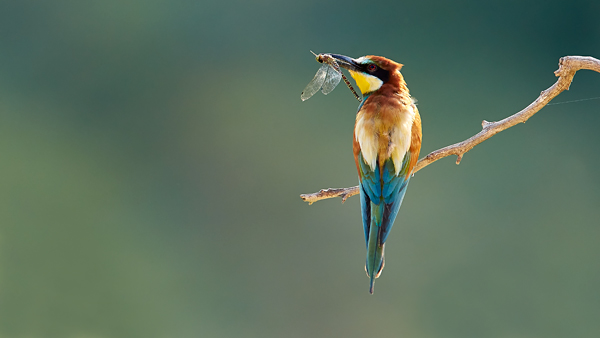
It’s impossible to include every image of every species that we took in Bulgaria, but I hope this has given you a flavour. We photographed many species of lizard and tortoise too which deserve another blog.
Bulgaria is a hidden gem, offering so much genuine hospitality, warmth and beauty. And there’s a theme in here somewhere which needs further exploration, which is something to do with monasteries and butterflies?
I’d like to shout out a big “thank you” to our Bulgarian guides Emil & Miro for all their help and fun along the way, and also to Rob & Sue, Tim, Carol and Marlene for being brilliant company. I hope I have done justice to our week in Bulgaria.
I’m looking forward to returning in January’17 with Natures Images & guests, not for butterflies this time but for Golden Eagles. So until then, it’s goodbye or “blagodaria” to the Bulgarian Beauties.
Many thanks for reading,
Ellie
Back to news index4 thoughts on “Bulgarian Beauties”
Please address the areas highlighted below
Stunning shots Ellie and great narrative too – thanks very much for sharing…
Hi Peter, many thanks for your comment. It was a brilliant week for all of us, so I hope I’ve done it the justice it deserves. Cheers Ellie
Hi Ellie Greetings from Yellowstone. These are a beautiful set of pics. Is it hot during the summer?
Hi Danny, yes it was hot, 30 deg c. I’ve never seen so many butterflies etc to photograph, it’s an undiscovered bit of Europe.