





Overview
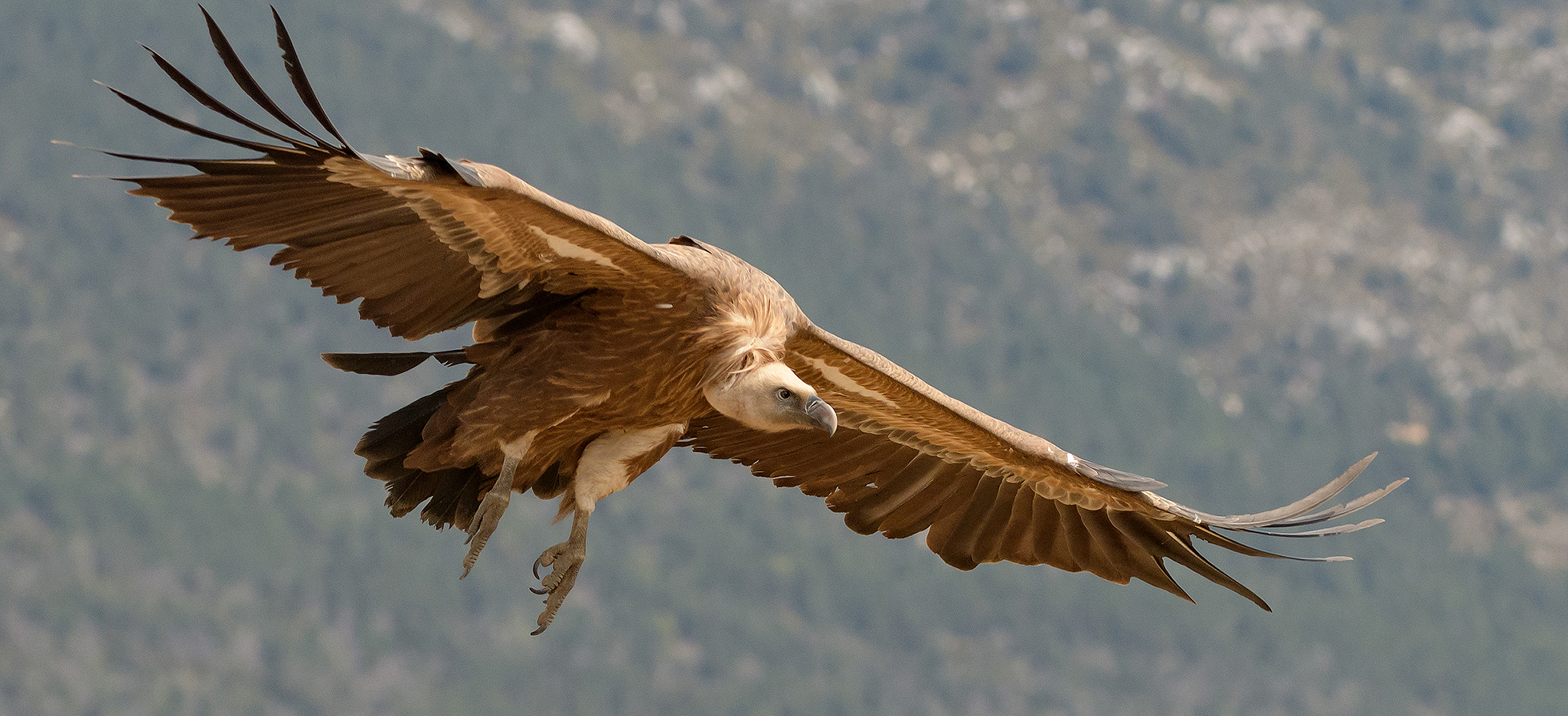
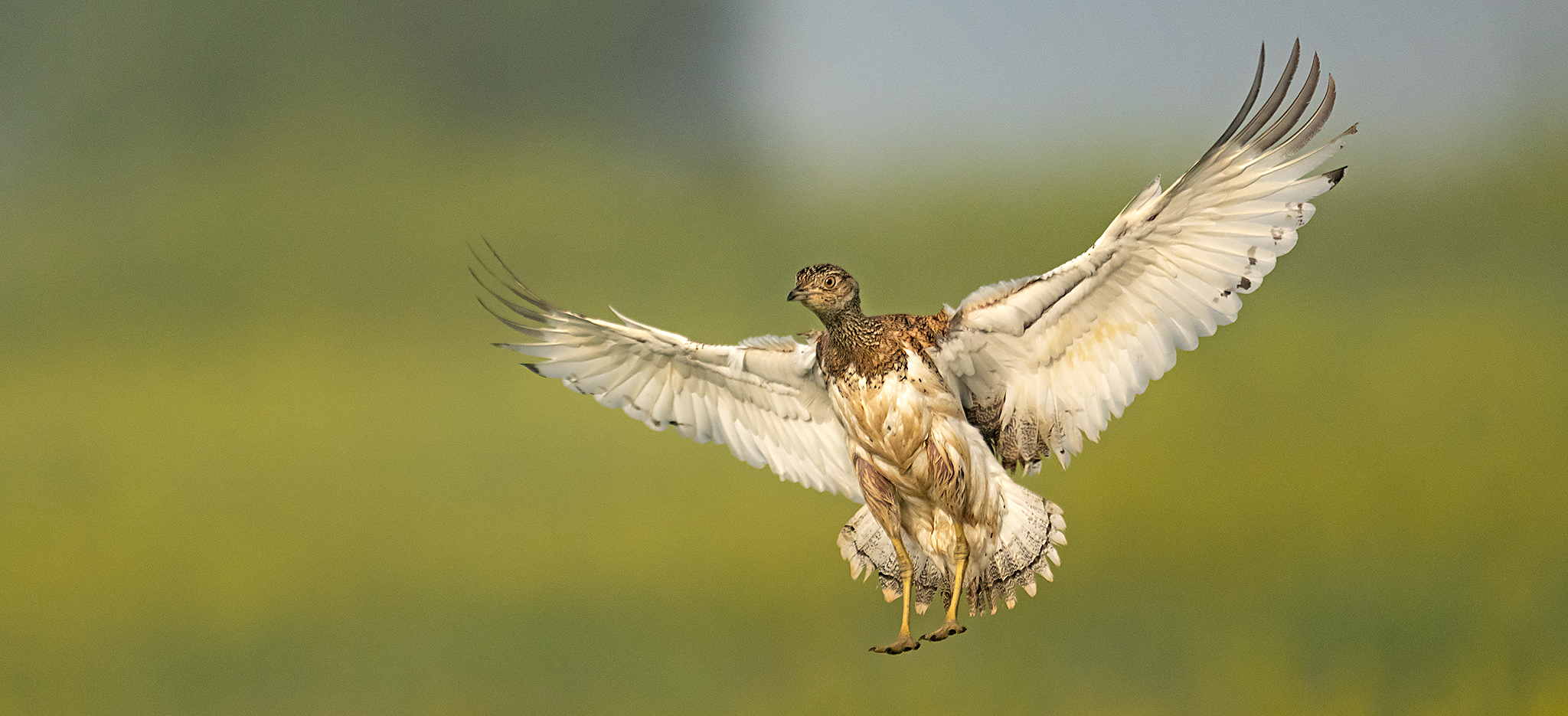
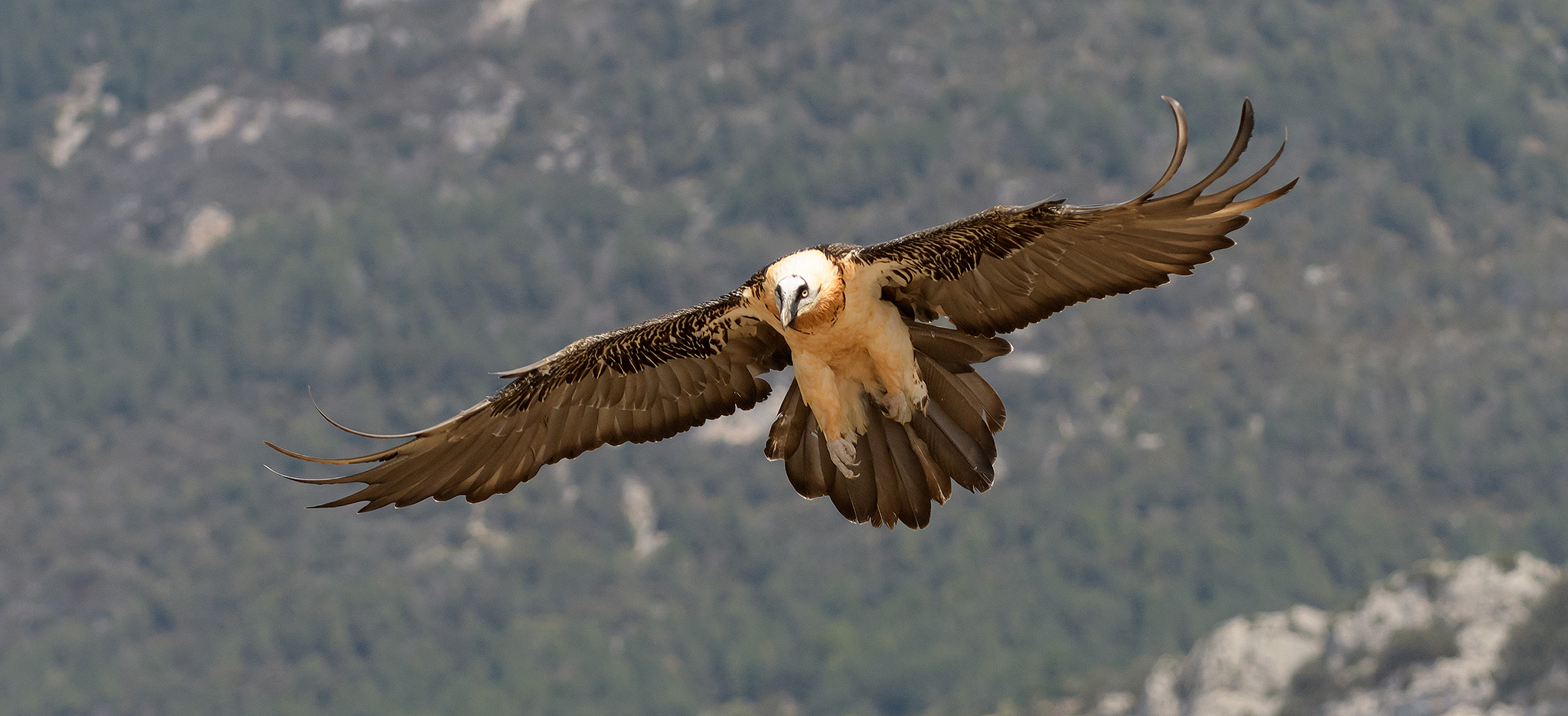
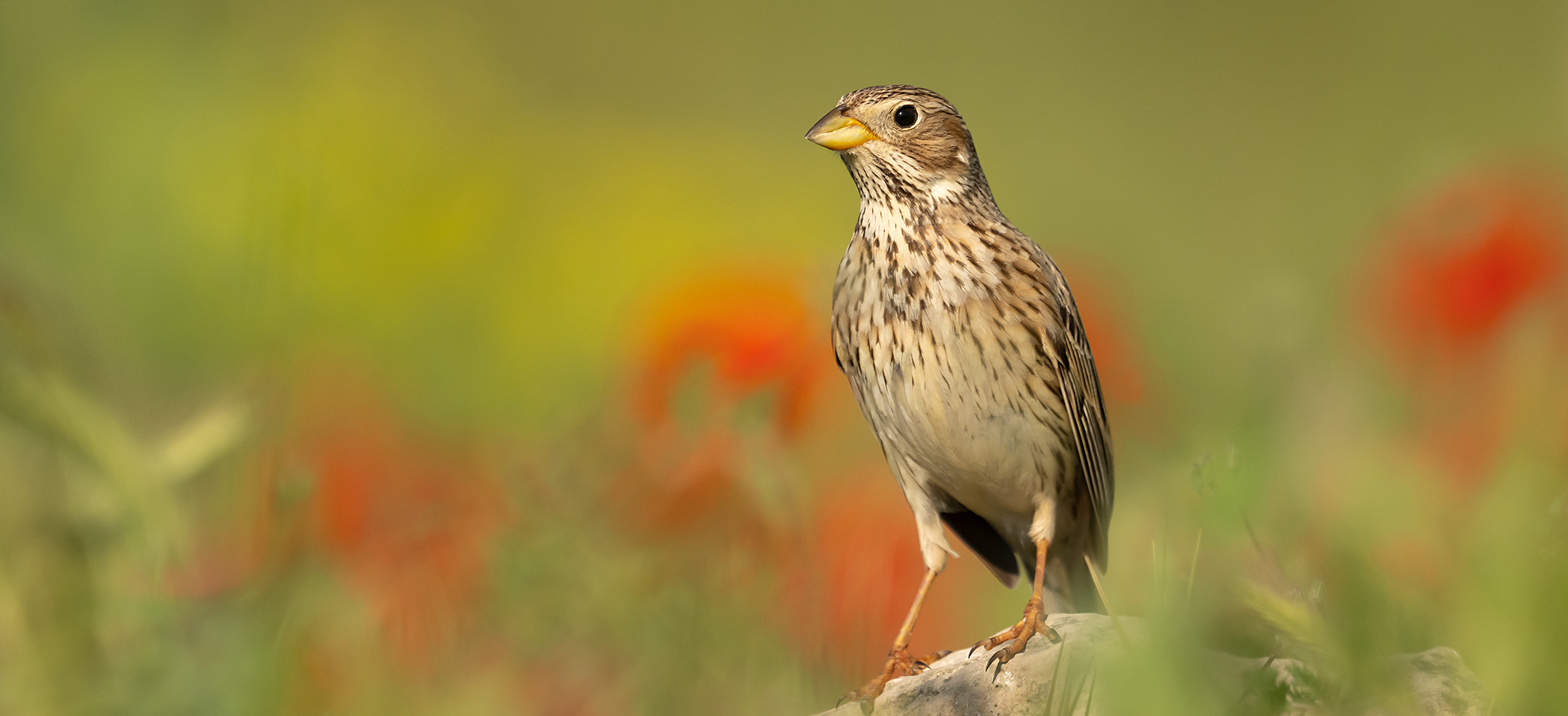
We are always looking for new opportunities for wildlife photography especially for short haul in Europe. Spain is a country that offers some wonderful opportunities and, in a way, goes under the radar. The Catalonian region of Spain offers an array of opportunities for the keen bird photographer in habitats that range from the mountainous to the picturesque plains. In these dramatic settings, the onset of Spring is a key time for both resident and migratory birds as they begin their displaying, nesting and breeding seasons: this combination of behaviour and the freshness of their breeding plumage at this time of year is an ideal time to take advantage of a well-established collection of private photographic hides, the majority of which are glass-fronted, to work with an impressive array of species including Lammergeier, Griffon and Black Vulture, Little Bustard, Hoopoe, Little Owl and a drinking pool with an array of potential visiting species including Corn Bunting and Spanish Green Woodpecker. It’s a trip that offers an array of opportunities for the keen bird photographer for sure.
Itinerary Open +Close -
Day 1: We are due to arrive at Barcelona Airport at roughly the same time from where we will then travel north to our base in the village of Cubells in the province of Lleida, and approximately 2 hours’ drive away. Once we are settled into our accommodation, we will discuss our specific plans for the coming days and shop for some essential supplies. (Flight recommendations will be sent out nearer the time).
Days 2 – 6: Our accommodation is close to an area of steppe and traditional farmland, and conveniently placed for many of our target subjects, especially when early starts are called for. We have a little further to drive for the vultures and mountain birds, in the foothills of the Pyrenees.
The hides we will be using are fitted with one-way optical glass, which affords an extraordi-nary view of what is happening in front of you, so that not only are you able to achieve some amazing images but experience the habitat and activities in a far more involving way. This is an especially successful approach with sensitive bird subjects that might otherwise be easily dis-turbed from a conventional hide. The hides variously accommodate between one and six per-sons, with the smaller single person hides easy to relocate at short notice, offering us much greater flexibility to quickly respond to changing circumstances. That means from a logistical perspective we will need to split in to two different groups, rotating between locations. Most days that will involve separate morning and afternoon sessions, but our local guides will help us with seeing everybody in to position as quickly and efficiently as possible. Obviously, we will try to ensure everybody gets their fair share of attention and support. Typically, we’ll be starting between 06.00 and 07.00 each day, and breaking for lunch somewhere.
Subject-wise, in the steppe area we will be concentrating mainly on displaying little bustards, but there may be opportunities for little owl, stone-curlew, European bee-eater and hoopoe – much depends on the breeding season and arrival times of migrants. Corn bunting, calandra lark and green woodpecker are also common in this area, and readily come to the drinking pools.
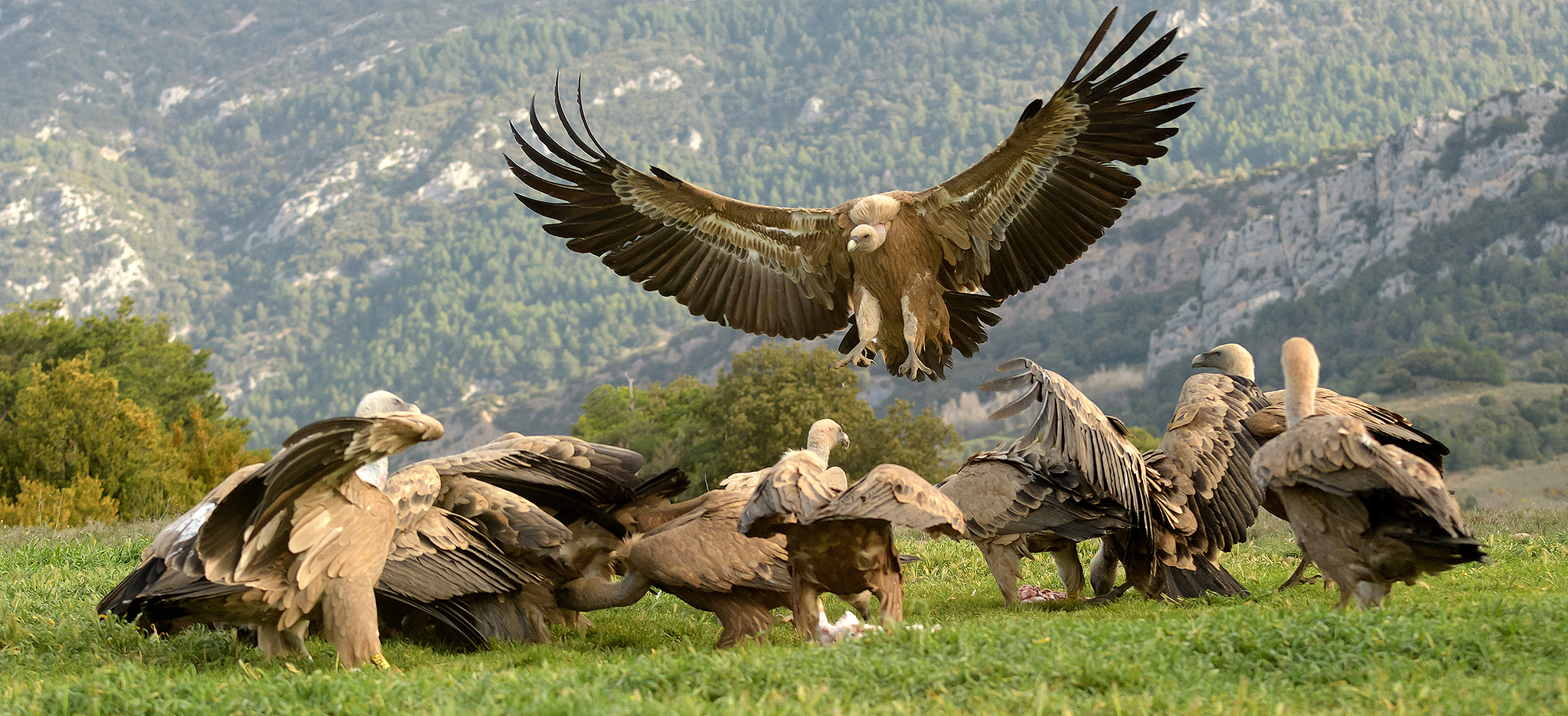
Further north, in the mountain habitat, we’re fortunate to have access to a couple of state-approved vulture feeding stations with specialist photography hides. One site is particularly re-liable for the rare cinereous vulture (also known as European black vulture), along with griffon vulture, Egyptian vulture, black kite, red kite and raven. Here we’ll have the opportunity to pho-tograph flight approaches as well as birds on the ground in a stunning mountain setting. You might be surprised just how close these birds come!
At another location, we should have the chance to photograph the magnificent lammergeier (or bearded vulture), in flight and on the ground, with a glorious mountain backdrop. Here too they will be accompanied by griffon vultures, and possibly other birds of prey. This will be a full day session, and two adjacent hides will accommodate the whole group.
Elsewhere in the mountains we might make use of hides at various drinking pools, with a wide variety of bird subjects possible; for example, serin, citril finch, crossbill, rock bunting, crested tit, Bonelli’s warbler, subalpine warbler, pied flycatcher, blackcap, etc.
Day 7: We will have an early start to make the journey back to Barcelona Airport on time to catch our return flights back home.
What our customers say
“The hides were excellent, and the birds showed up most of the time”.
“Met expectations very well”.
“Very much lived up to my expectations and exceeded it in some regards”.
“Chris was superb”.
“Accommodation was very comfortable and the food was good”.
“Everything worked very well. It was an excellent trip“.
Showcase gallery

Guest gallery
