


Iceland’s northenmost frontier

Terry Whittaker, our almost resident Iceland specialist, re-visited Grimsey Island off the north coast of Iceland for a reminder of it’s delights in anticipation of next summers Natures Images trip he is leading there. These are some of his thoughts and observations on this little gem of an island.
I made a return visit to Grimsey Island in June, one of my favourite places in Iceland. The only part of Iceland to touch the Arctic Circle, this 5.3 square km is 41 km off the north coast, a 3 hour ferry journey.
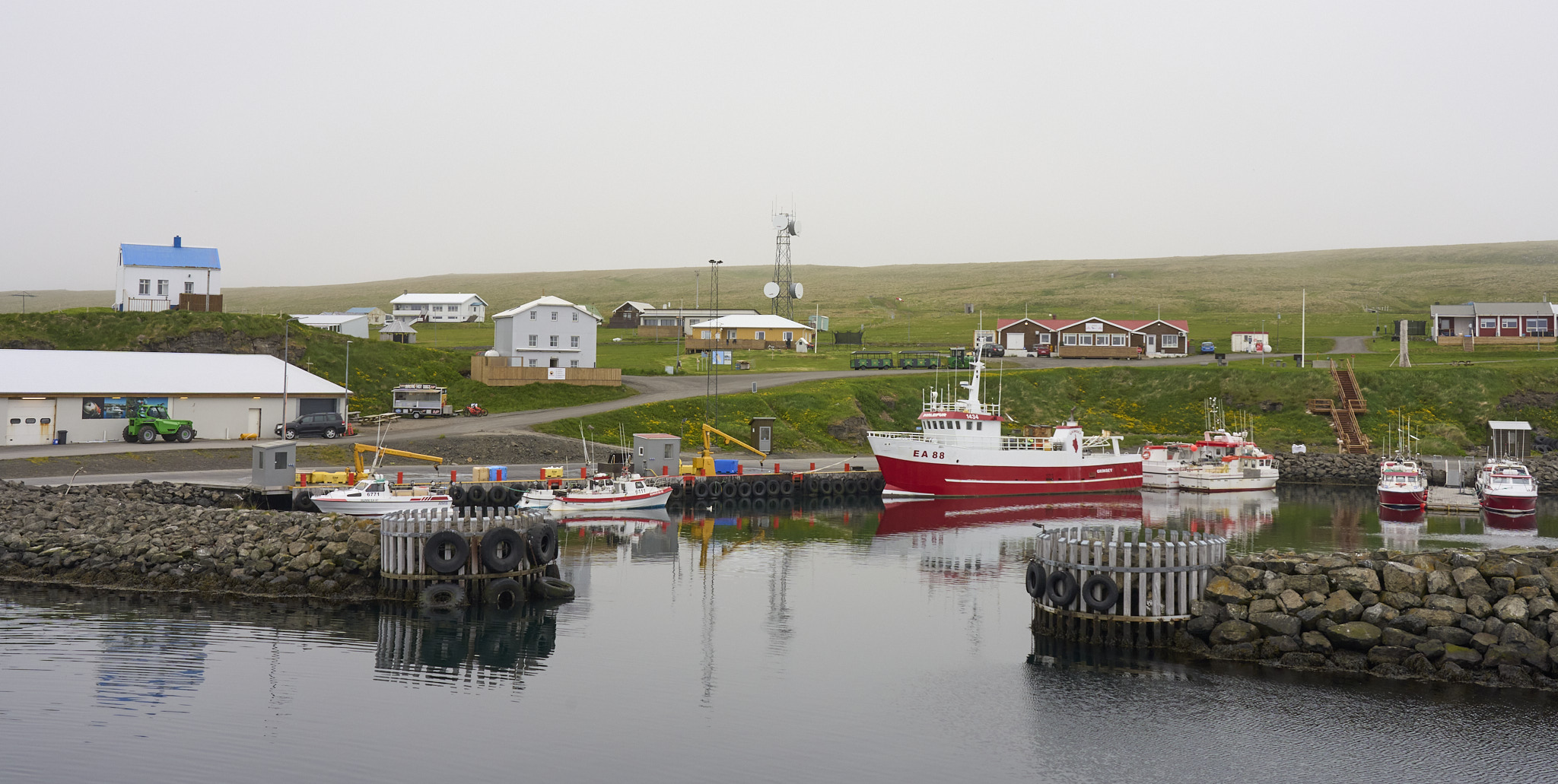
 Tourism has been the main source of income for Iceland for a few years now but Grimsey’s 55-60 residents are still very much a fishing community. Although tourists are now finding their way here, these are mostly day visitors on the ferry or the occasional small cruise ship. For overnight visitors, there are 2 guesthouses, a house for rent, one store and one restaurant.
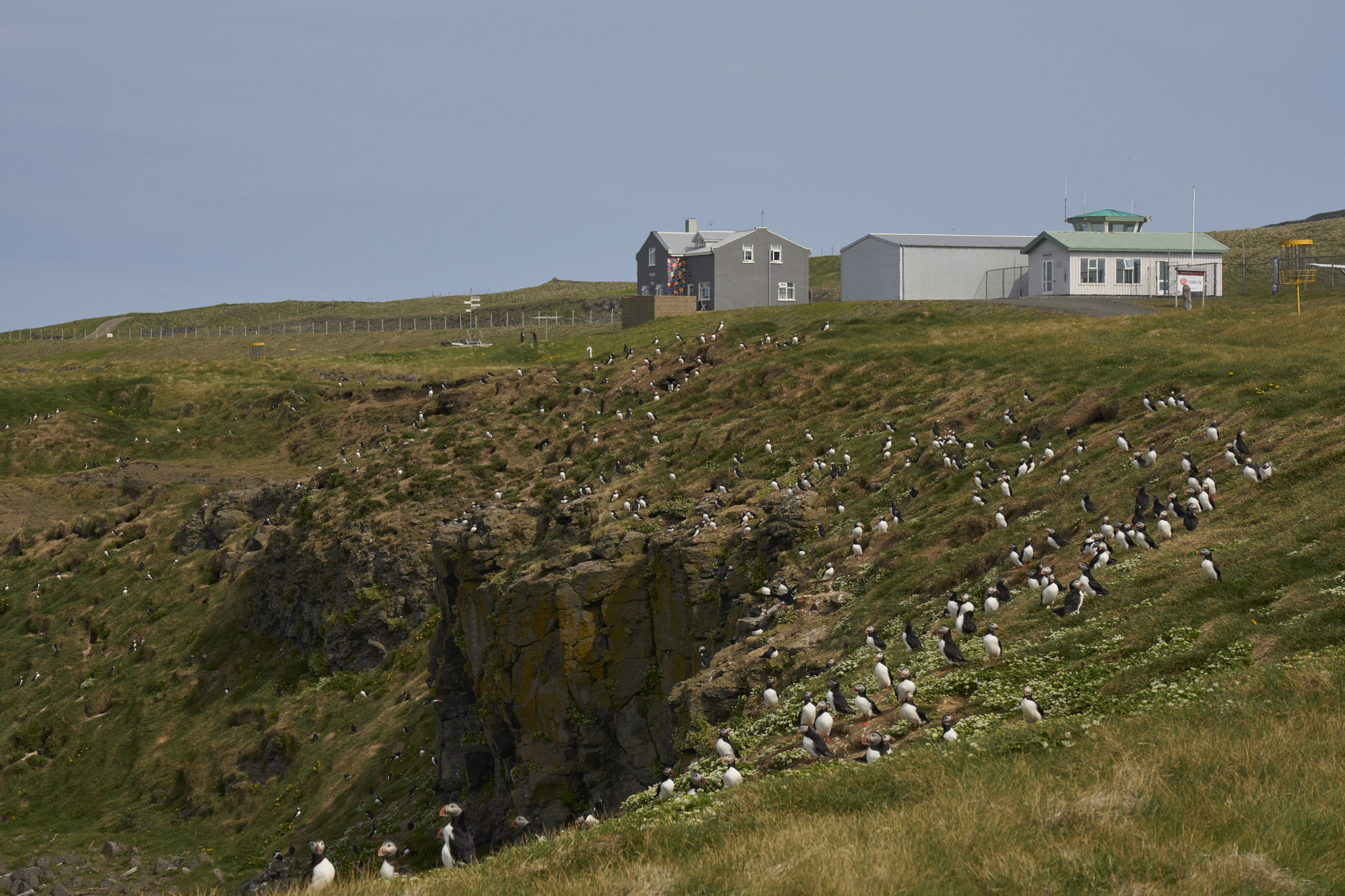 The island is gaining popularity as a wildlife photography destination due to the vast numbers of seabirds in a spectacular environment but it’s still very much a place for remote solitude.
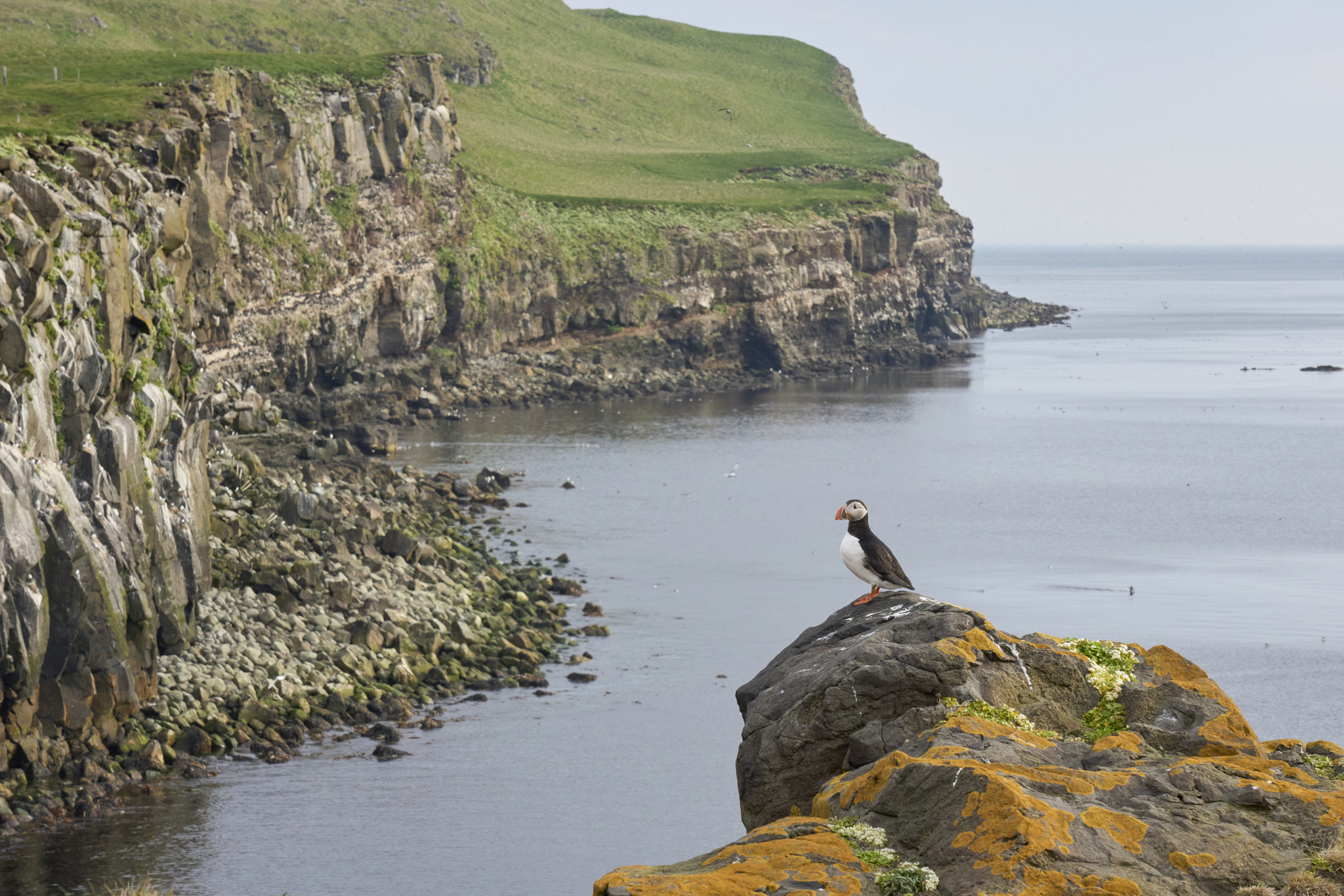
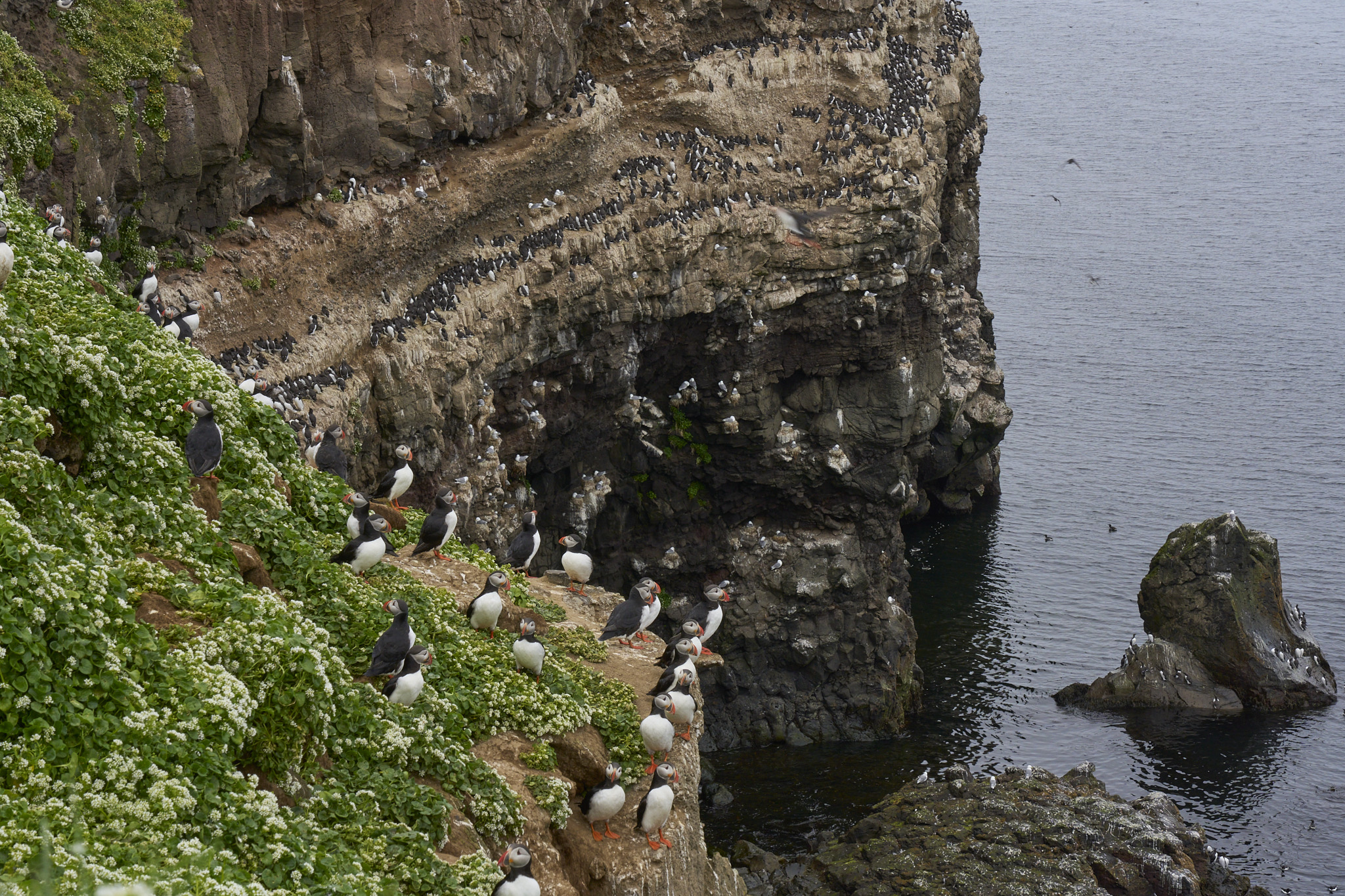
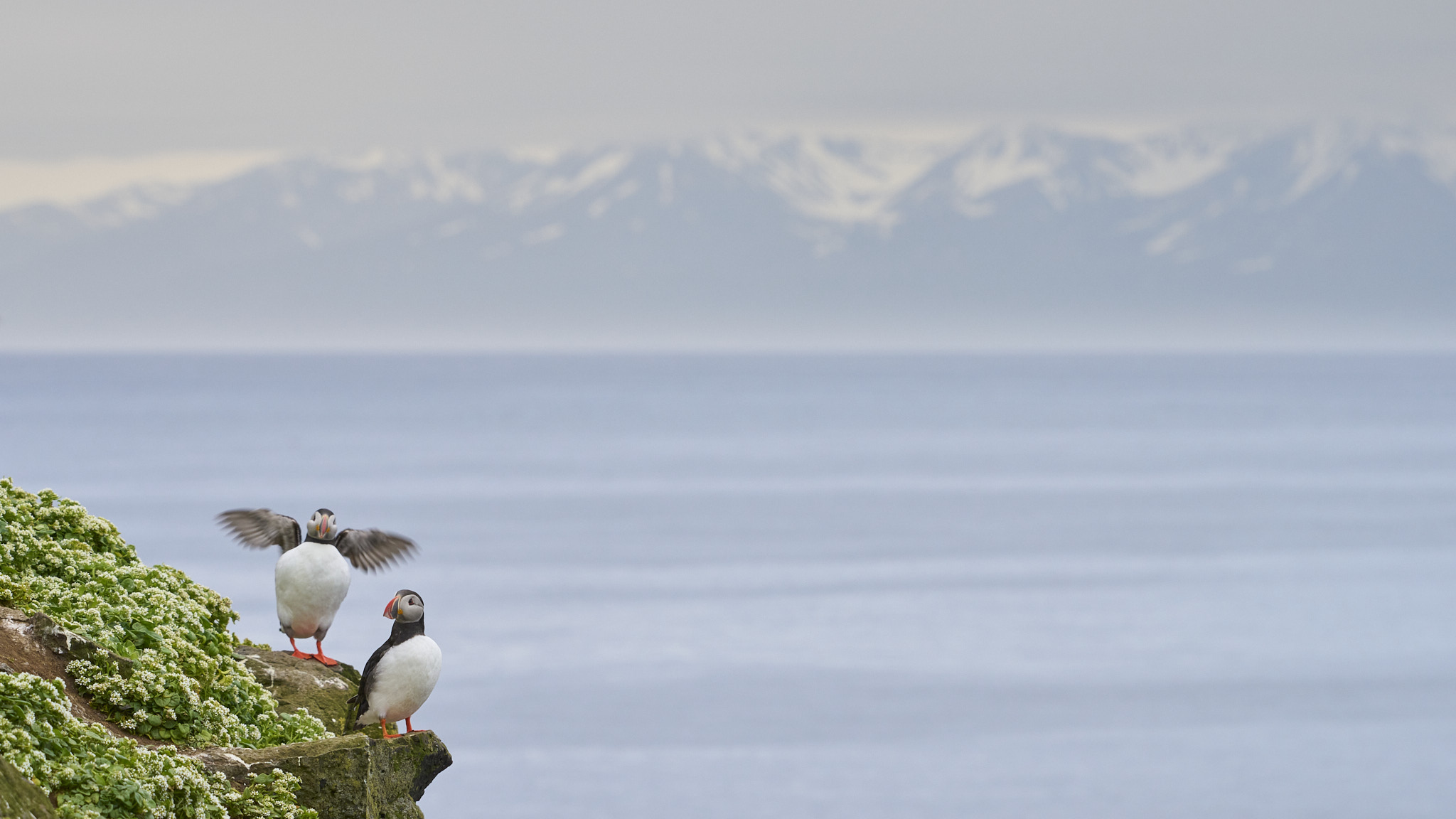 The east side of the island is essentially one awesome, 5km long bird cliff, home to over a million seabirds in summer. The west is a more complex, rocky coastline with bays, small headlands and basalt sea stacks. There are several small freshwater pools and meadows with very confiding wader species and a large colony of Arctic terns. Overall, this small island is summer home to around 3 million birds.
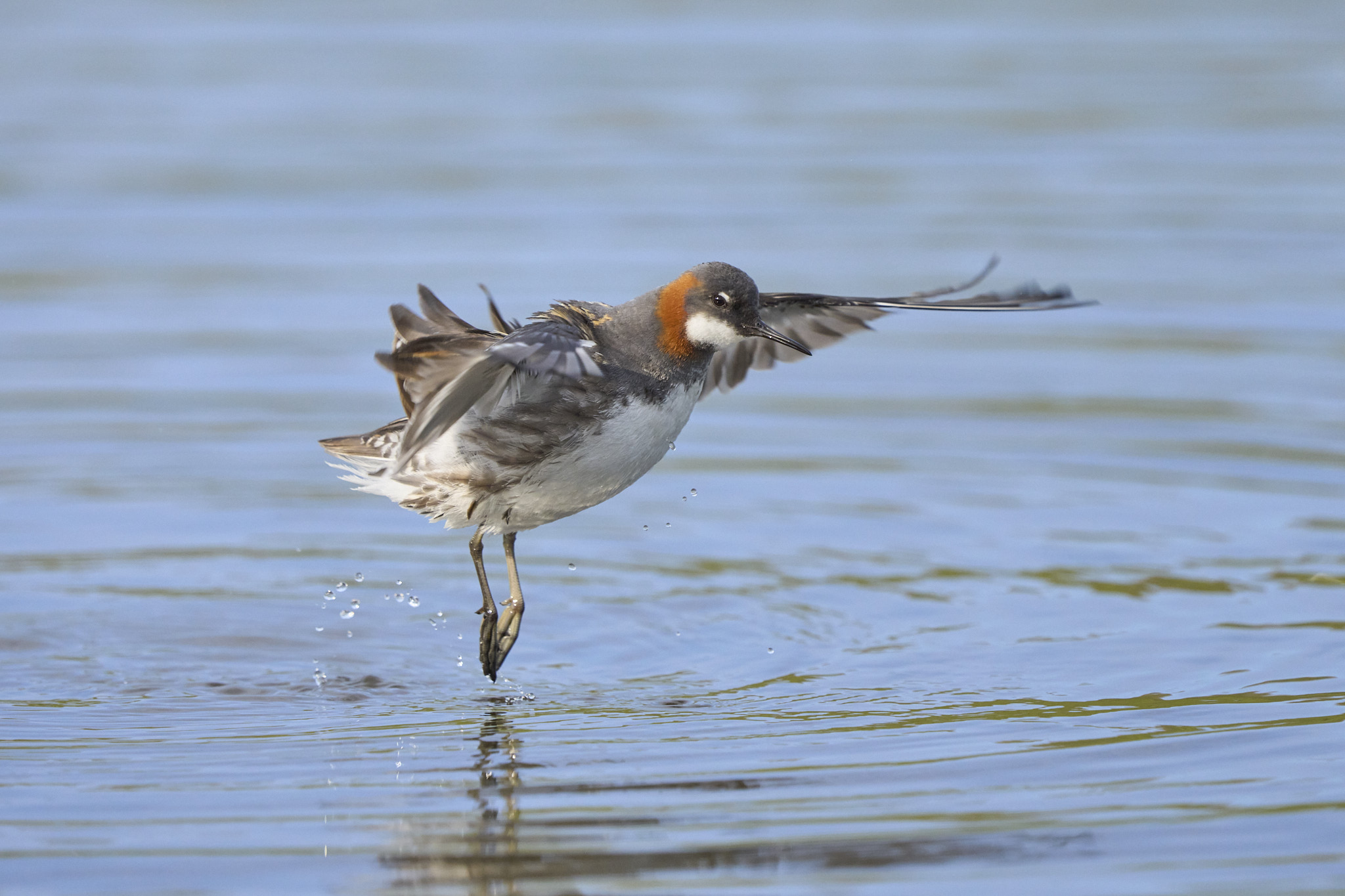
This trip started with the ferry on a flat calm sea but it’s fair to say that this isn’t always so. Fulmars following the boat were fun to photograph against the mirrored surface. After dropping my bags at the guesthouse, and given the sunny weather, I decided to spend some time at the largest freshwater pool on the Island. There are usually several wader species here but always ridiculously tame red-necked phalaropes buzzing around the margins. Sitting still at the water’s edge will literally have them running around your feet.

 I also wanted to make use of the good light to photograph Arctic terns bathing and particularly drinking on the wing.
 As the sun started to slowly drop towards the sea, it was time to move to the best area to photograph puffins against an almost setting sun. In June the sun never quite sets but skims the horizon before starting to rise again. My preferred location to start is very close to the guest house with a short hike further to continue into the early hours as the sun moves round.
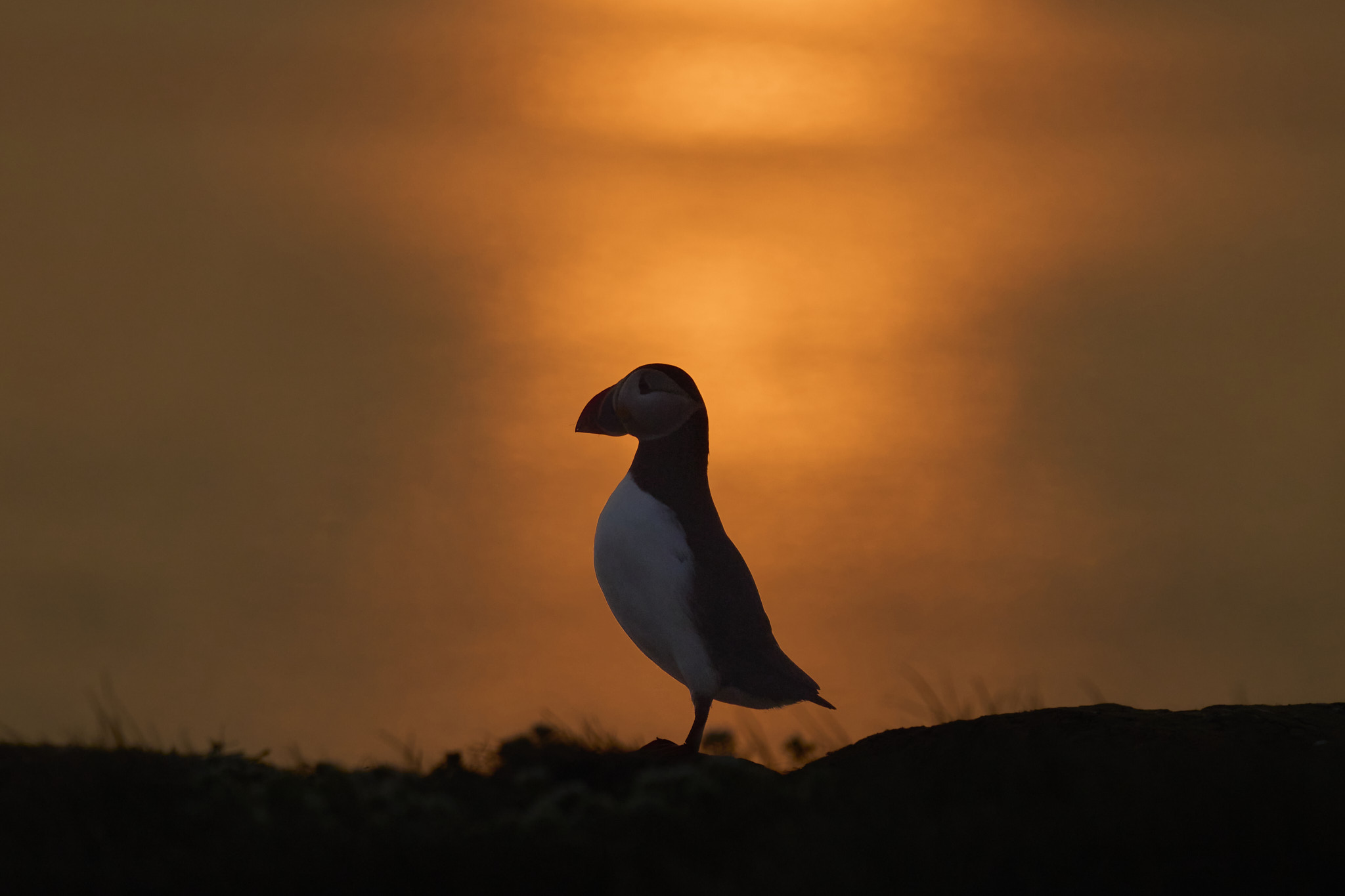
 My plan was to stay out all night and rest the next day as the light became harsh but just after midnight, the clouds drifted in so I called it a (long) day.
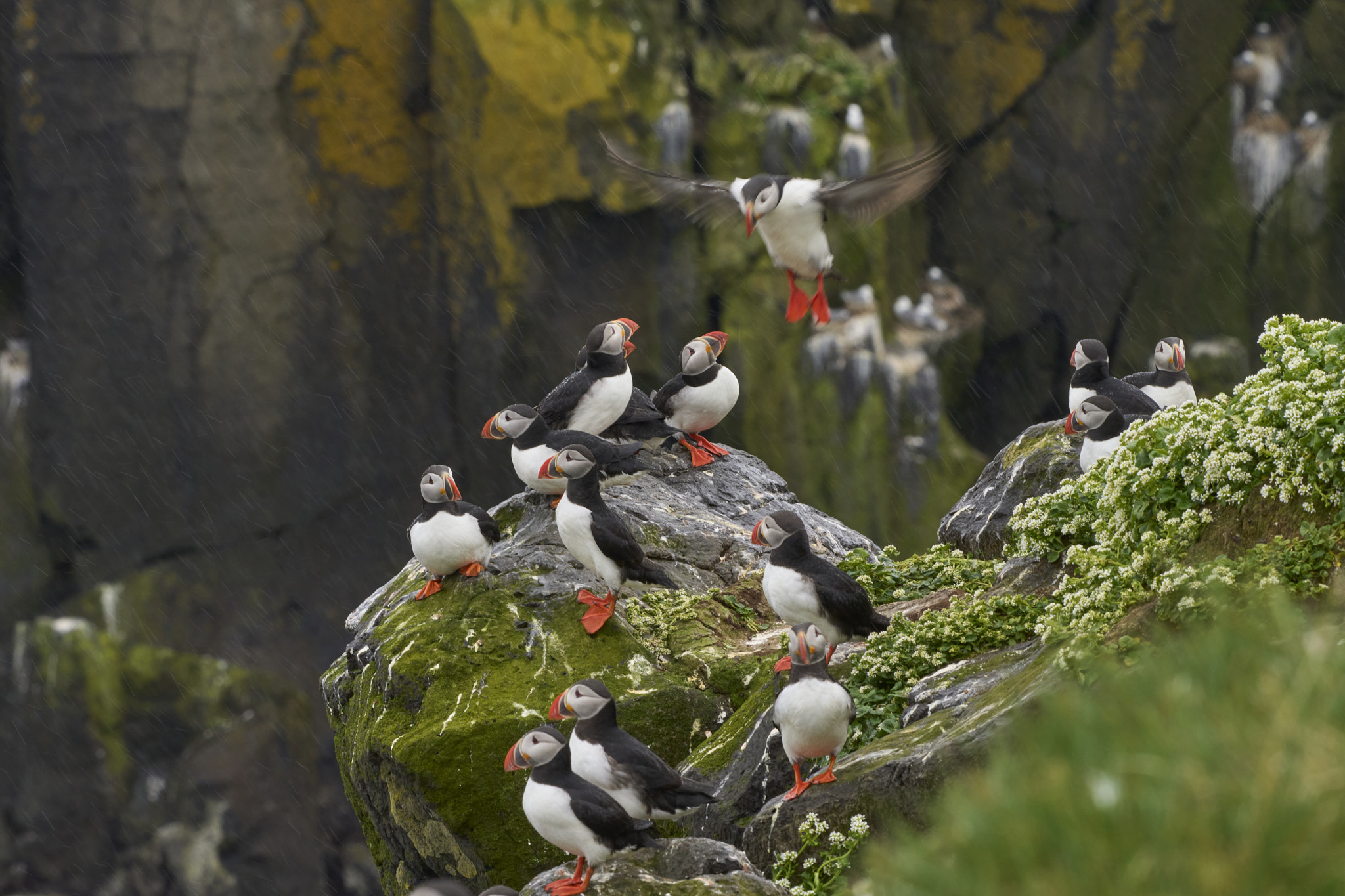
The next day was cloudy bright, ideal light for seabird photography so, accompanied by the constant hum of drumming snipe, I decided to explore as much of the east cliff as possible. The middle section can be quite hard going as the trail is inland a bit so I did it from the north, then later from the south, skipping the hard part. There are puffins the whole length but the guillemots, common mostly with some Brunnich’s, tend to cluster in large colonies, some 65,000 pairs of them in total. Razorbills are even more numerous at around a 100,000 pairs. To be completely alone, surrounded by this abundance of life is quite an experience.

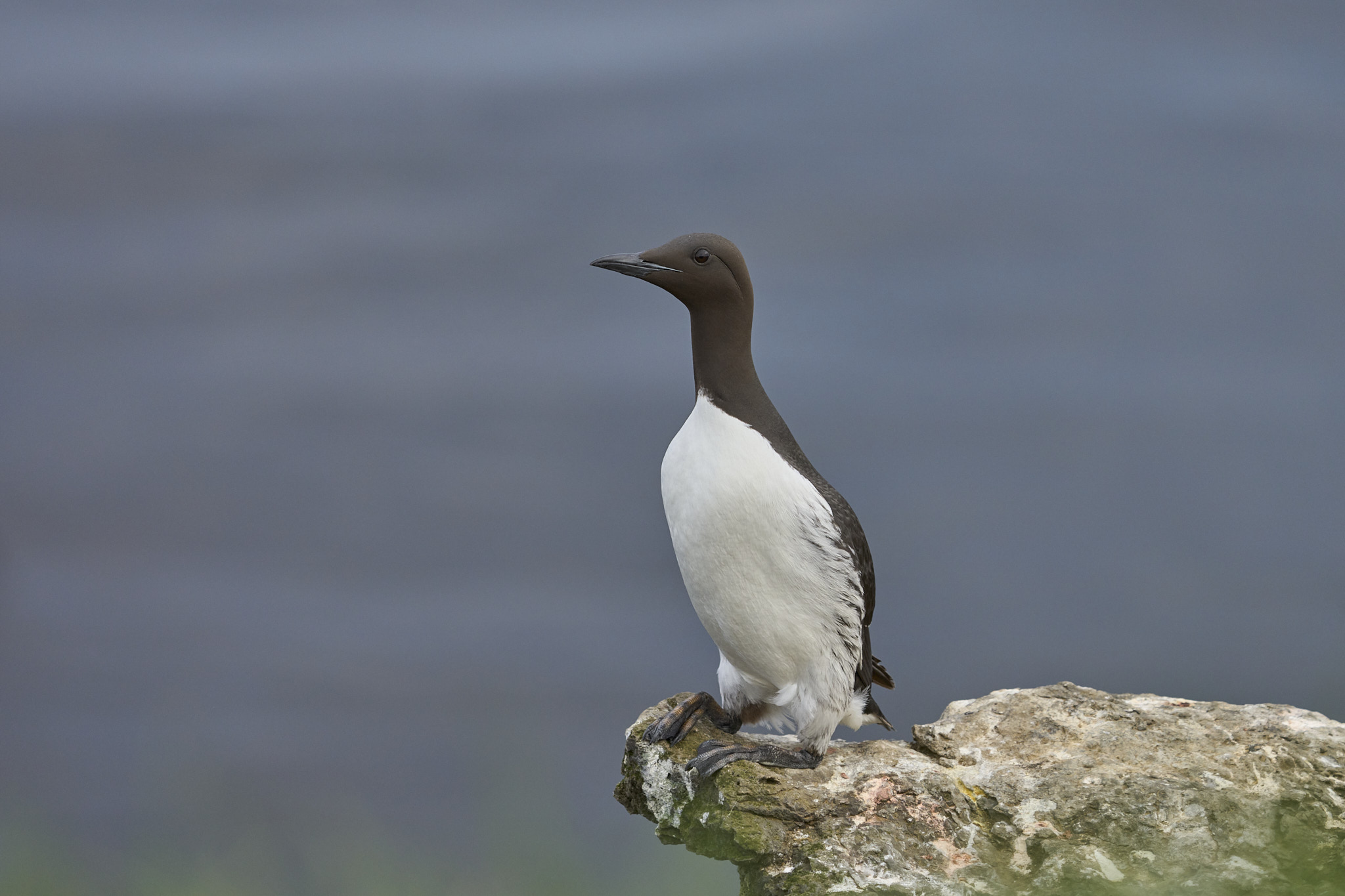
As I passed one of the small pools dotted around the interior I decided to spend some time with some particularly active red-necked phalaropes. I’m glad I did because a few minutes later a female red (grey) phalarope dropped on to the pool. One of Iceland’s rarest birds you need a permit to photograph this species anywhere near a nest but it was clear this bird was a passage migrant and after 20 minutes or so feeding amongst the red-necks it moved on.

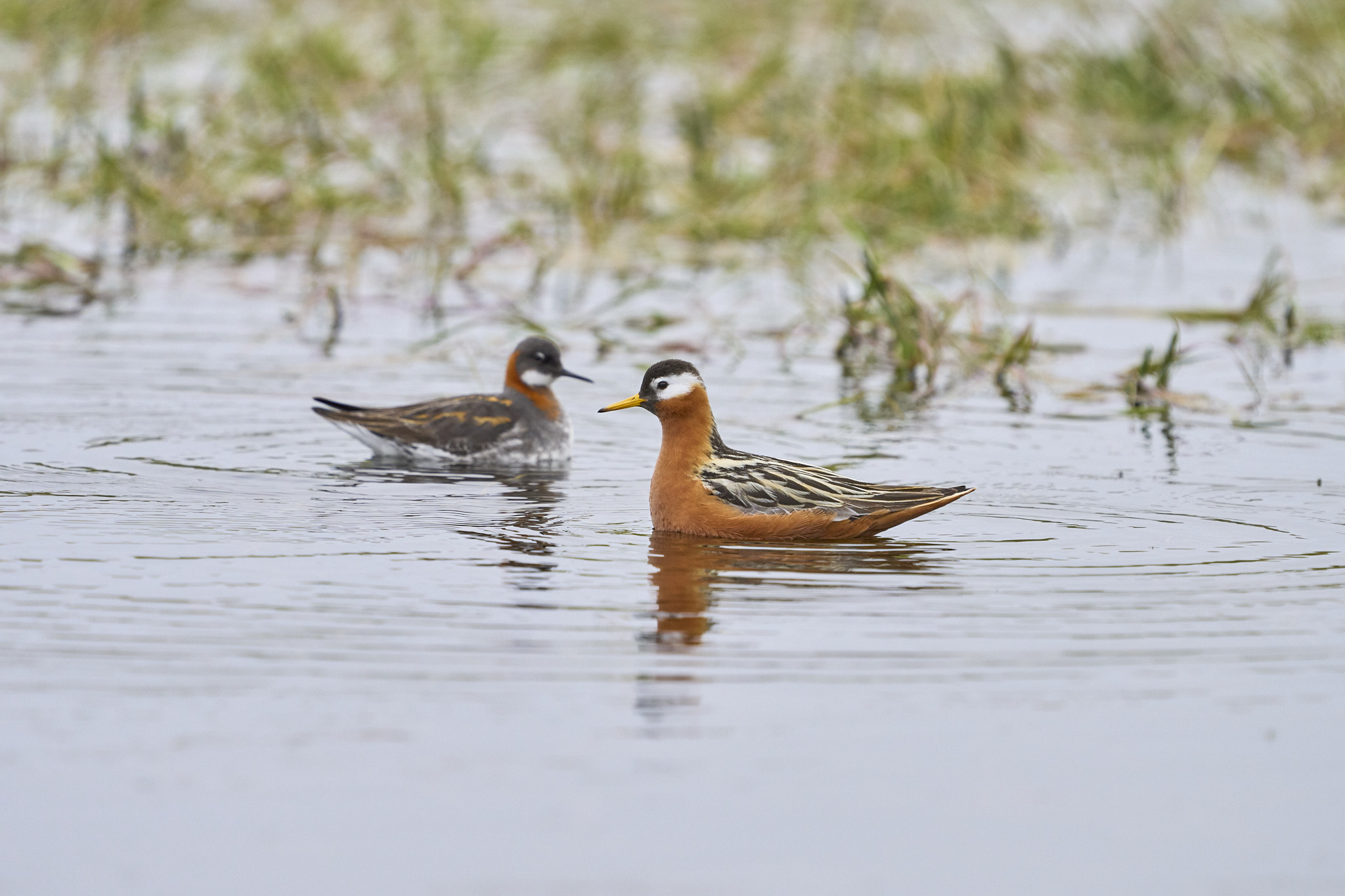 Surprisingly, this wasn’t the only rarity I photographed during my 3 days on the island. Later that day, I had an, albeit brief, encounter with a little auk near the harbour. No longer a breeding bird on Grimsey it is a fairly frequent visitor.
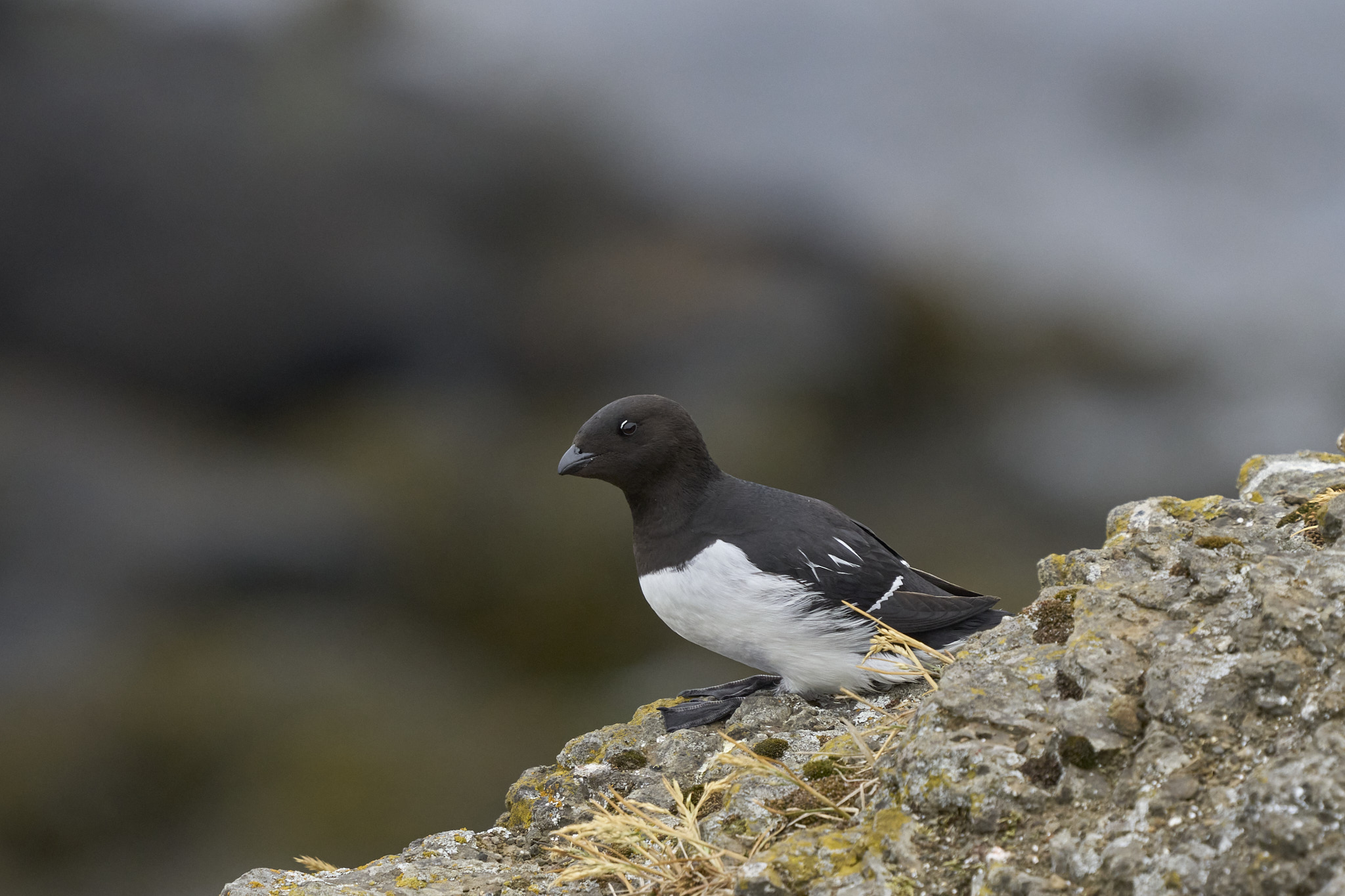 I like the southern end of the island. On the west side there are images of puffins against columnar basalt cliffs with the snow-capped mountains of the mainland in the distance.
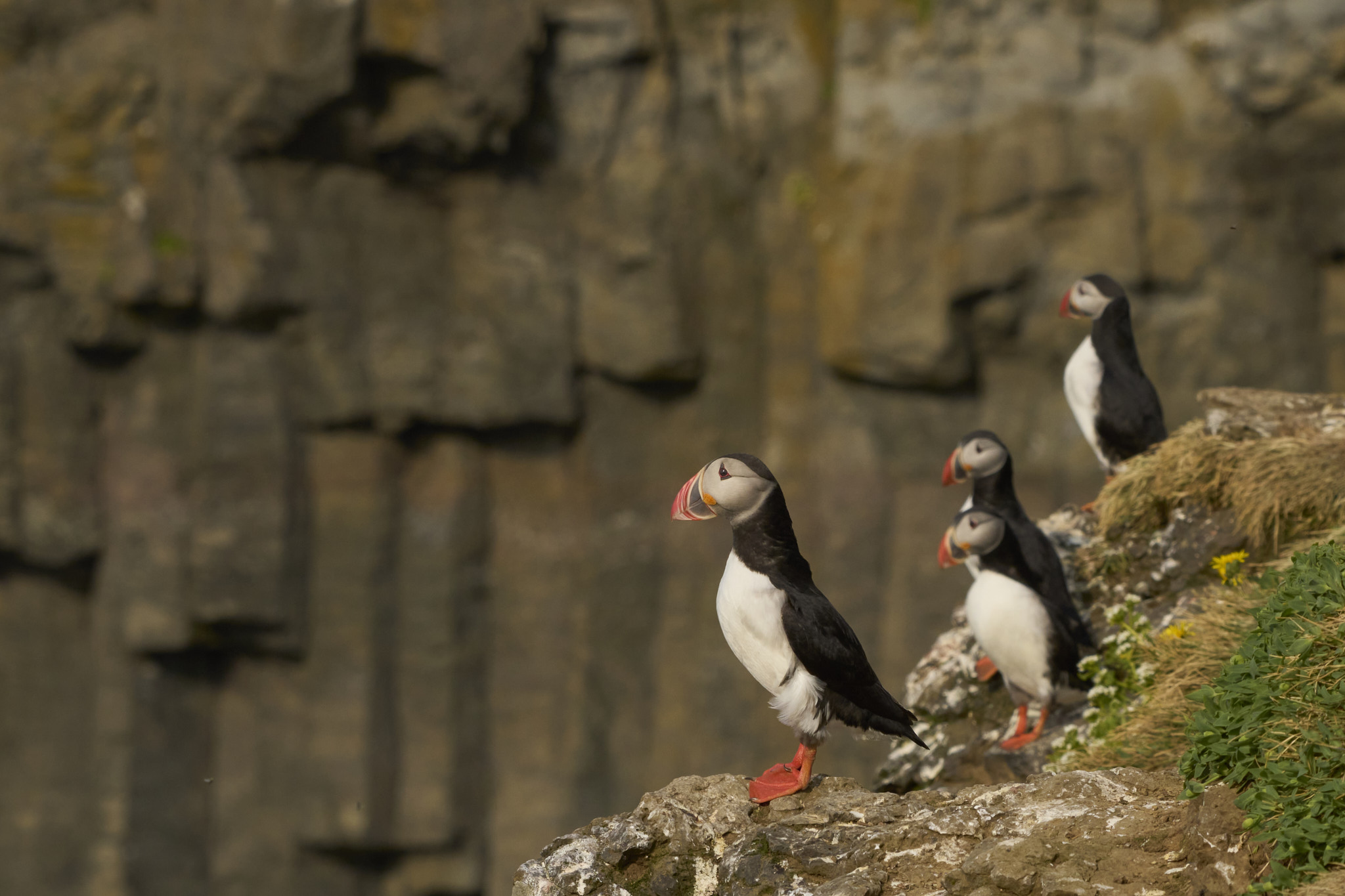
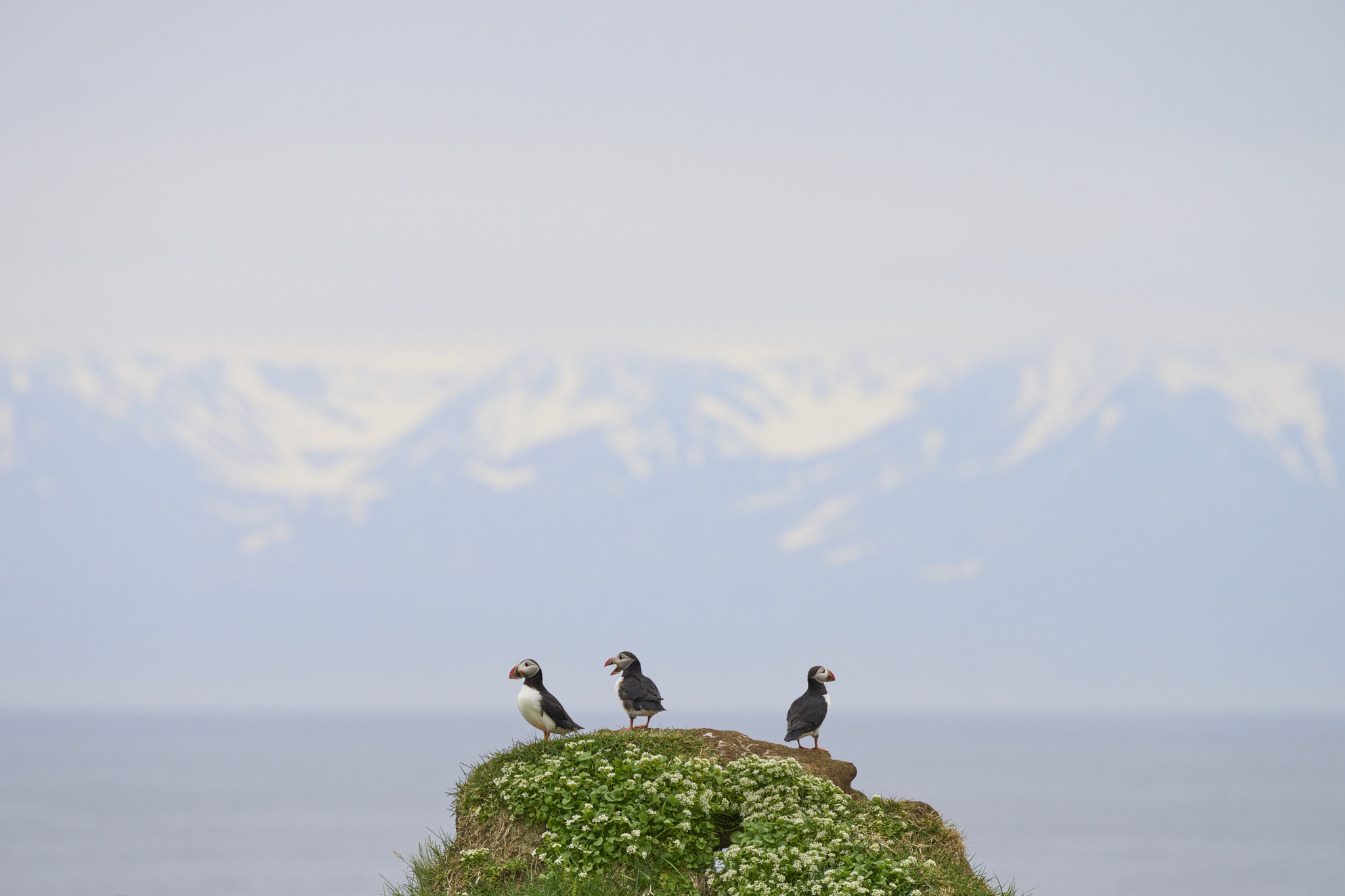 Further round, past the lighthouse is one of the best places for close-ups of puffins coming in to land and hovering against the wind.
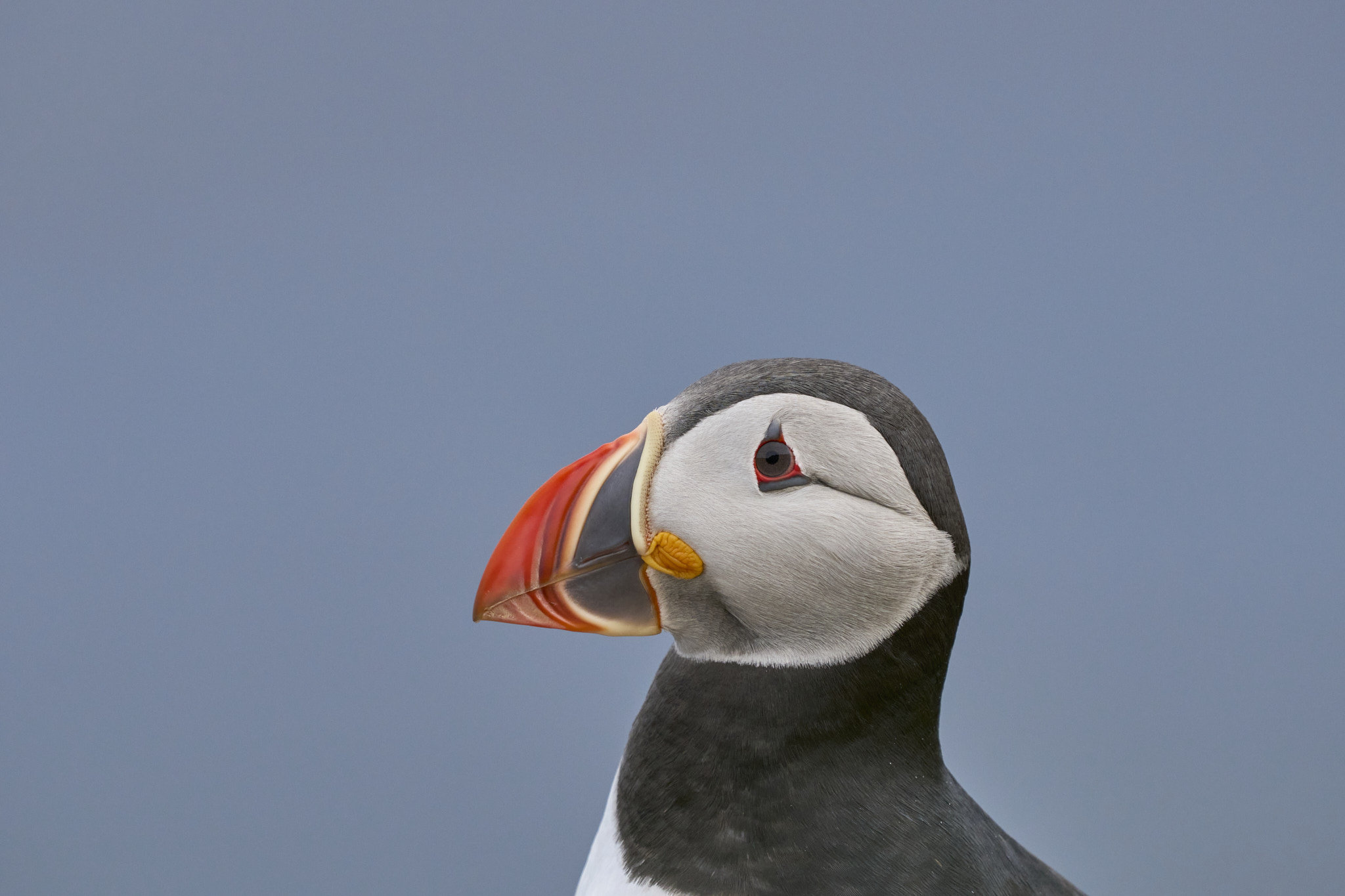

 There are approximately 40,000 pairs of puffin on Grimsey from April to August and because they are everywhere around the island, they can be photographed every which way, regardless of sun and wind direction. I’m already looking forward to my next visit and taking Natures Images guests next June.
Terry

Please address the areas highlighted below