


Africa’s Big Cats

Ever since the long-running BBC Wildlife series Big Cat Diaries, the felines of East Africa seem to have earned a special place in the psyche of many wildlife photographers and I most definitely include myself on that list. Although the almost endless grasslands of the Serengeti and Maasai Mara are home to an extraordinary abundance of wildlife as well as one of the most dramatic spectacles in the natural world with the virtually constant migrations that they host, whichever corner you visit and at which ever time of year, the big cats are the resident stars. They enjoy times of plenty when the herds come through and times of challenges when they have moved on and it is these trials that provided both the material for the television stories and also an array of encounters for guests on our now regular trips to the region.
In recent months both the Mara in Kenya along with the Serengeti, Ndutu and Ngorongoro in Tanzania have been the destinations for our safaris there and the big cats have never failed to live up to their well earned photographic and photogenic reputations.
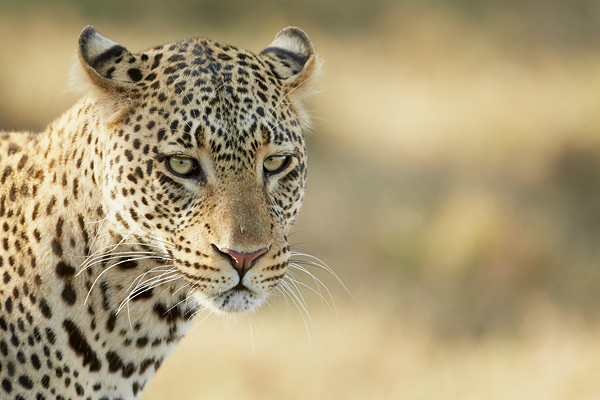

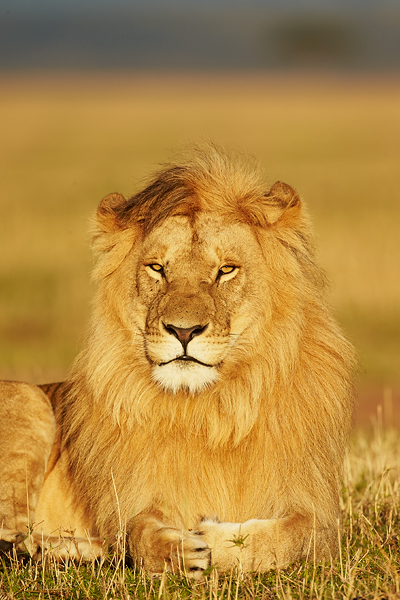
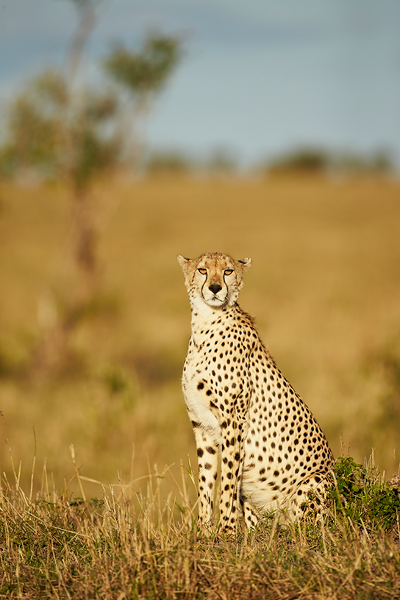
They all have very different characters that simple portrait images can look to communicate – the powerful stare of a leopard, the ever watchful vigilance of a cheetah or the laid-back complacency of a male lion, the latter here in the short window of simply stunning light that justifies the early alarm calls every morning!
Their variable characters are not just on a cross species basis either as hopefully these male lions will demonstrate.
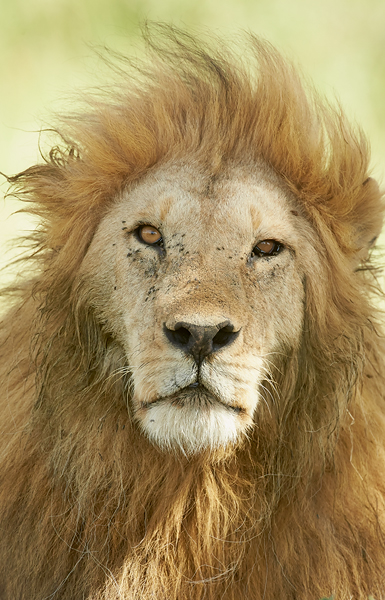
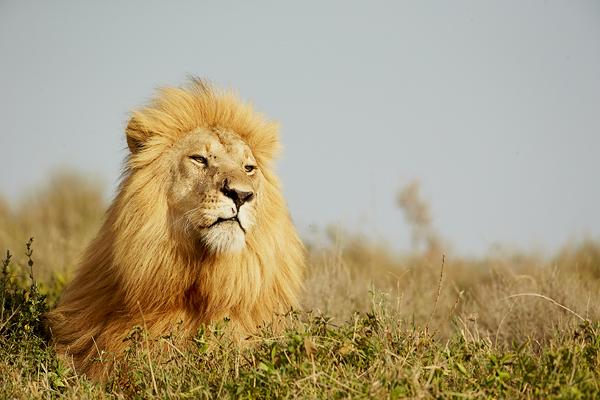
These two individuals couldn’t be more contrasting – the former, a young male living with his brother in the Serengeti is clearly not the most blessed in the beauty stakes while the latter (who we nicknamed Lars as his blond mane was just so Scandinavian-perfect) has an unquestionable air of arrogance and self-importance, befitting of a male who was in tow with possibly his first female. Mind you when it comes to being laid back few were in the league of this Ndutu based fellow!

Finding lion pairs “on honeymoon” was very much the order of the day during our trip in the Mara with 5 different couples – it’s an exhausting time for them for sure and it’s no great surprise that there are a few fractious roars that intersperse the action.

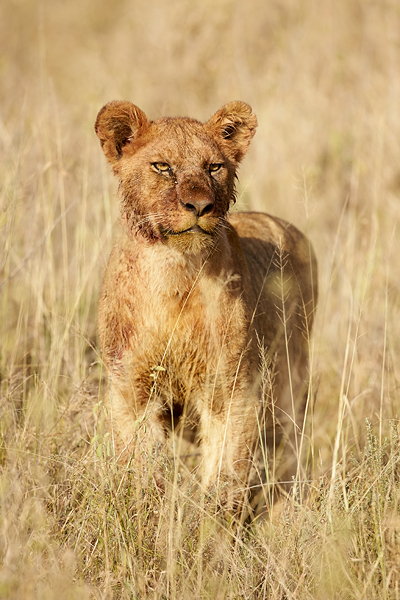
With lions though there is little doubt that coming across a pride with active cubs is the crown jewel from a photographic perspective and on both trips many hours were spent enjoying their antics and undoubted aaah factors.

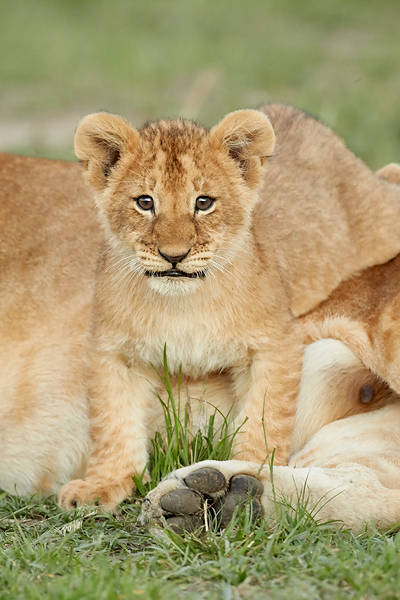
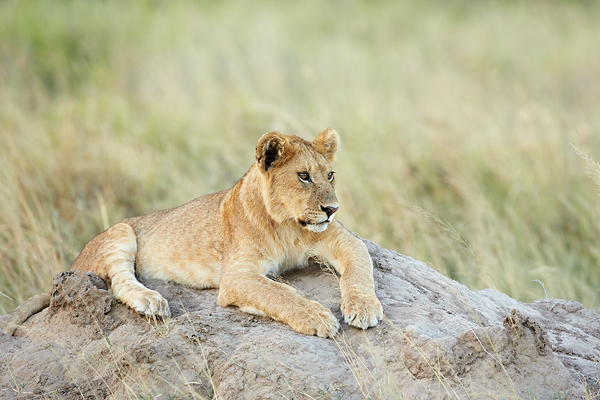
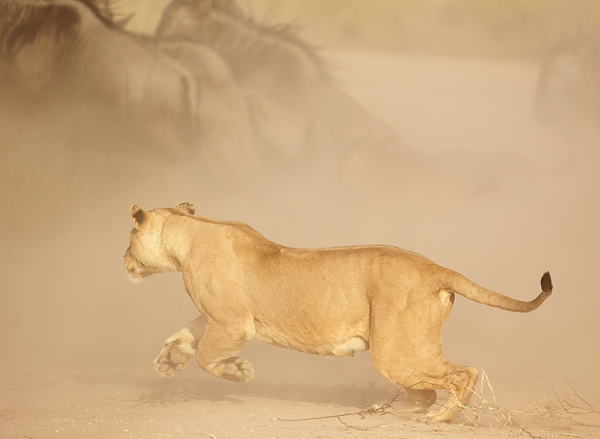
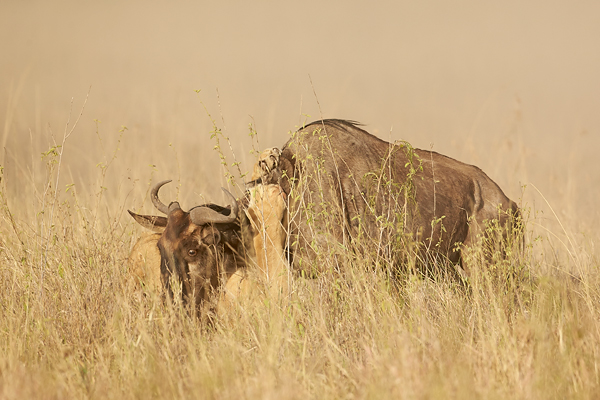
The last of these was among a huge pride of approaching 20 or so individuals enjoying the early arrival of the Wildebeest herds in the Seronera region of the Serengeti and on one amazing morning we witnessed 4 successful hunts for them within an area of just a few hundred metres – some textbook long grass hunting taking full advantage of the opportunity. It was high adrenalin stuff and seeing lions hunt with an amazing collectivity and in full daylight was a rare experience and very dramatic in terms of action and some “of the moment” portraits too.
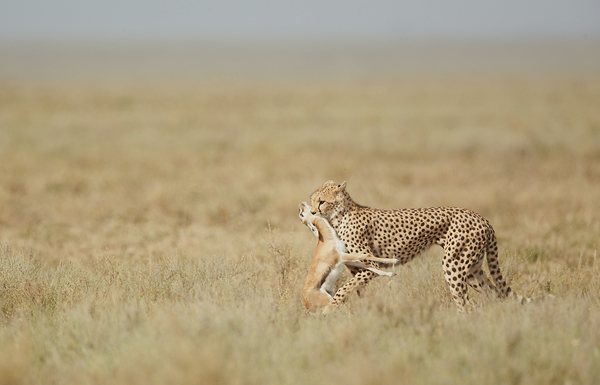
Watching cheetah hunt is equally as dramatic but of a very different nature – a slow stalk (which means lots of patient waiting) usually by an individual animal and then an electric burst of speed as a young gazelle or other herbivore is targeted. During our time in Ndutu we were fortunate enough to see both a mother hunt successfully for her youngsters and three siblings, recently ejected by their mother as they had come of age, learning all about hunting and getting lucky with a young wildebeest.

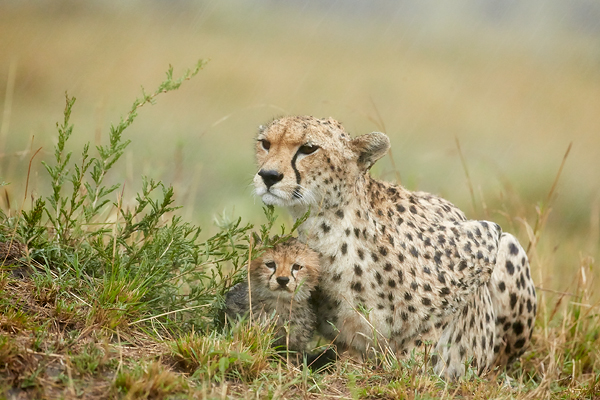
I guess everyone has their own personal favourite among these big cats and mine has long been the cheetah. Perhaps it’s that they always seem more vulnerable than lions or leopards or maybe it’s the striking tear marks on their faces, but add some youngsters into the mix as well and they get me every time. The last of these next set of images was a youngster who happened to yawn and turn his head towards me at the same time – it’s an extraordinary expression though!


On one afternoon in the Mara we came across this mother with her 5 cubs in a torrential downpour and watching her provide shelter for the cubs whilst out in the open was an incredibly touching moment too as well as a challenge photographically due the sheer volume of water coming down – the entire left side of me was drenched by the time we had finished!
I know many consider the leopard to be the ultimate of the big cats here though. Powerful, elusive and very much masters of their own destiny when it comes to allowing you to see let alone photograph them, good sightings are undoubtedly that bit harder earned in terms of patience and perseverance. During both trips it came down to one excellent sighting and numerous difficult to see sleepers in a tree/bush but the former when it happens makes up for all the rest and whether it be on the move or portrait opportunities in a tree or on the ground then they are a truly stunning mammal to spend time with.

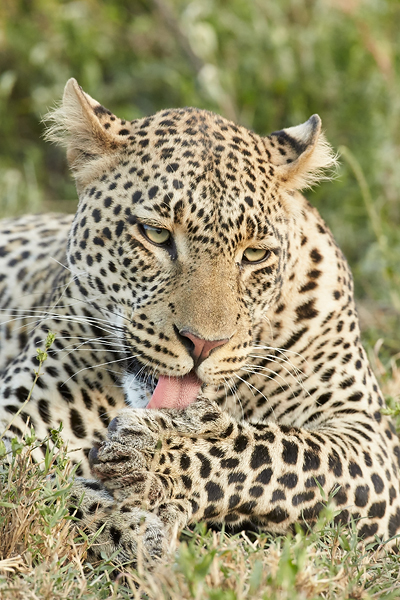
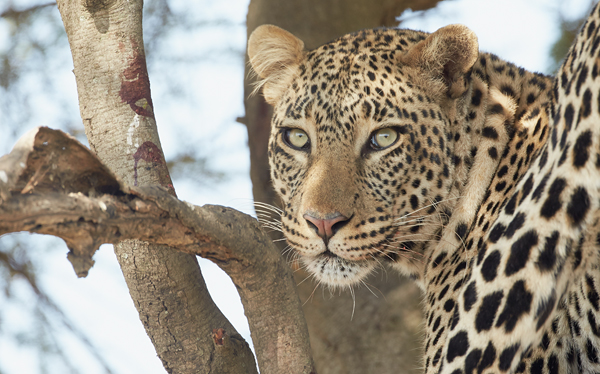
The leopard we spent 3 consecutive game drives with over a 24 hour period during our time in Ndutu had made a kill, stashed it up a tree and then spent almost all that time either guarding it up there or returning to the ground for extra shade, sometimes provided by a vehicle that he would come and sit by: no fear on his part and a fantastic encounter.
The time in the tree was often spent in the challenging light that Africa can bring away from the short but stunning golden moments at the beginning and end of the day, especially so when shooting against a bleached white sky. In these circumstances if often pays to think monochrome and fortunately all of the big cats work really well in this presentation too.

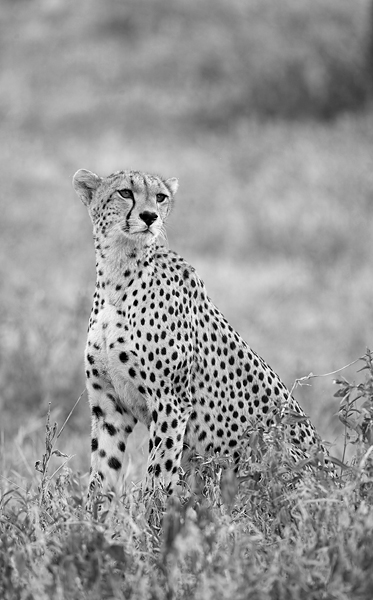

Big Cat Diaries may not be on the television any more but the stories and dramas of their lives continue and every week spent with them brings its own tales to witness and I for one can’t wait to get back to spend more time there on one of the trips we have in our programme in the coming months. Hope you can join me!
Mark
Back to news index
Please address the areas highlighted below