


Cranes of the Hula valley

It has been a while since my last blog but this time I don’t have an excuse of being lazy with my processing, it’s just that I have been away travelling to various places since the middle of January. I have had the chance to look and process some of my images from these trips so here are some images of my first trip of the year which was to the Hula Valley in northern Israel. I went to this wonderful place at the same time last year and my first impression of this place for photography was impressive. So I was really looking forward in going back as I like to work in locations more than just a single visit. That way you get a different feel to the place because no two years are the same. It proved it this year because the conditions were much better for photography, with clear cold nights and cracking light for the early mornings.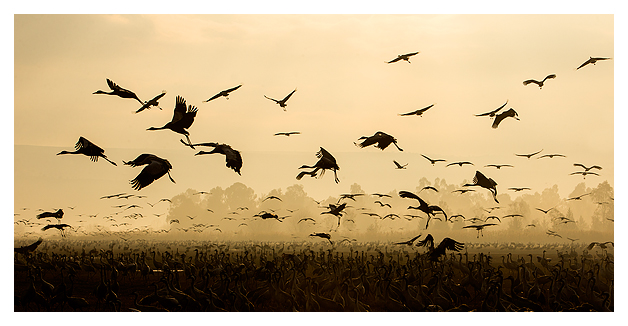
Now the reason the Hula Valley is so special during the winter is because it attracts a wintering population of nearly 40,000 Common Cranes. The Cranes arrive each autumn from their northern breeding grounds and this sheer number of birds is one of nature’s great spectacles. The Agmon Crane centre harbours the majority of the Cranes because during the winter they feed the birds. By feeding the Cranes it stops them going to other areas to feed on farmer’s crops and so keeps tension between the birds and farmer’s at a minimum. The Agmon Crane centre has an ingenious way of getting closer to the cranes. Tractors go into the fields to feed the Cranes at certain times of the day and so now they are used to these vehicles. Another tractor then pulls a large trailer into the field with people on and so it acts as a large moving hide.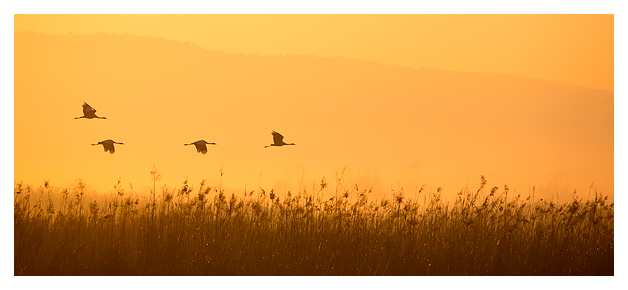
We can then position the tractor to whatever position we feel is the best for the light and can then move accordingly as the light changes. On last year’s trip the mornings were cloudy and so the light was uninspiring but this year we were blessed with some great conditions. The nights were cold and so mist formed along the valley. The Cranes roost on a large shallow lake for the night and so we got ourselves into position whilst it was still dark. It is a fantastic experience watching the Cranes leaving the lake to return to their feeding areas. At first it is too dark for capturing images but as the sun started to rise the light was great. I still tried though and sometimes by experimenting you can produce something different. Long exposures and black and white is not everybody’s cup of tea but I quite like the end results.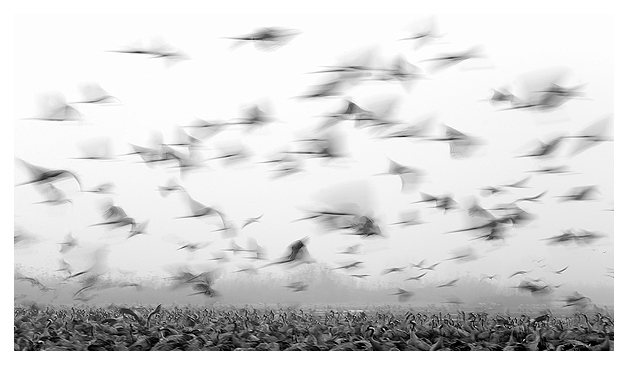
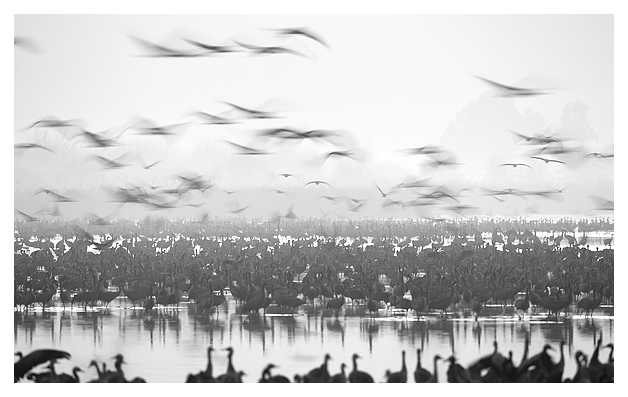
You can’t beat a bit of light though and once the sun started to rise the colours were intense, which acted as the perfect backdrop for capturing the cranes leaving the roost.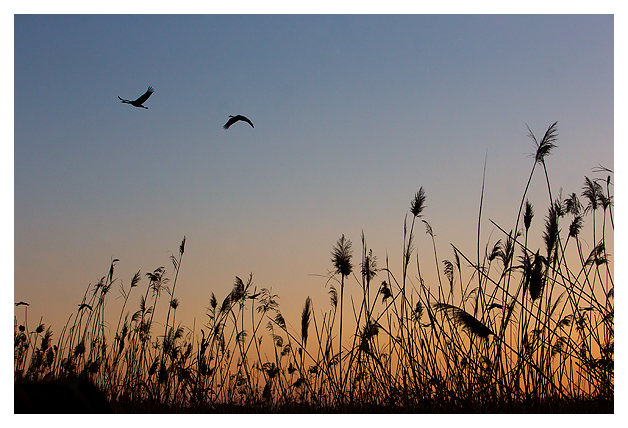
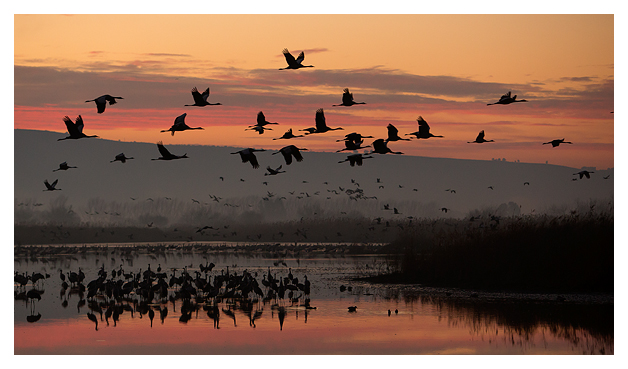
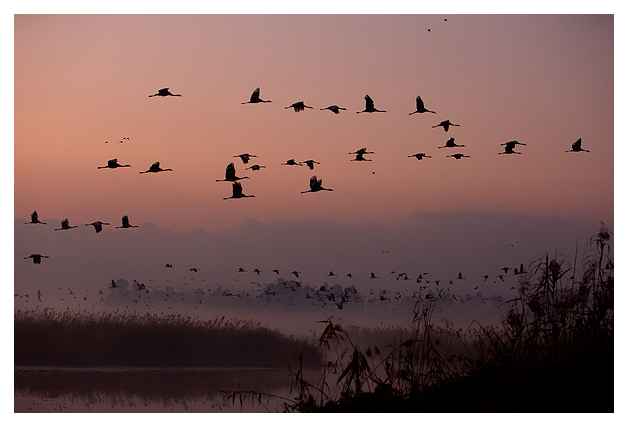
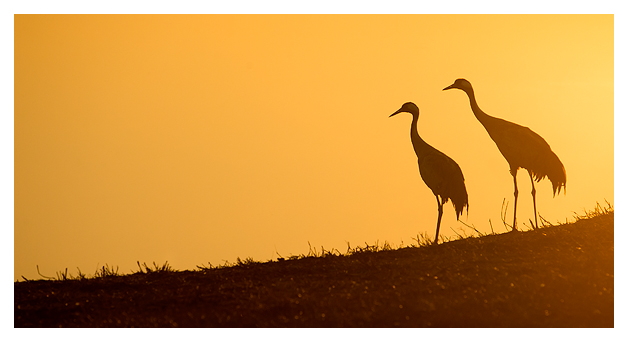 After an hour or so most of the Cranes had left the lake and so we then headed off into the fields to photograph the large flocks of Cranes feeding. I mainly used the 70-200mm Lens for the Cranes leaving the lake to incorporate the environment. Once the birds were feeding though, I liked using the 500mm lens so I could get a much tighter crop to pick out the behaviour of the birds.
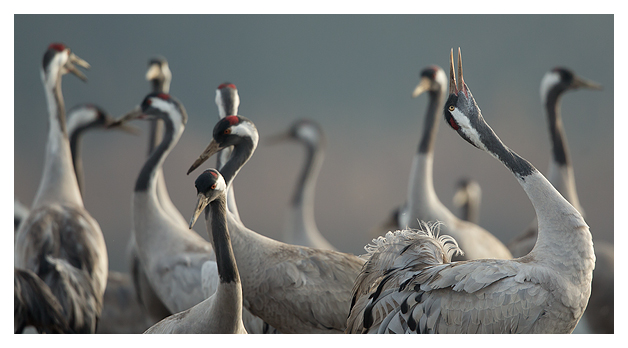
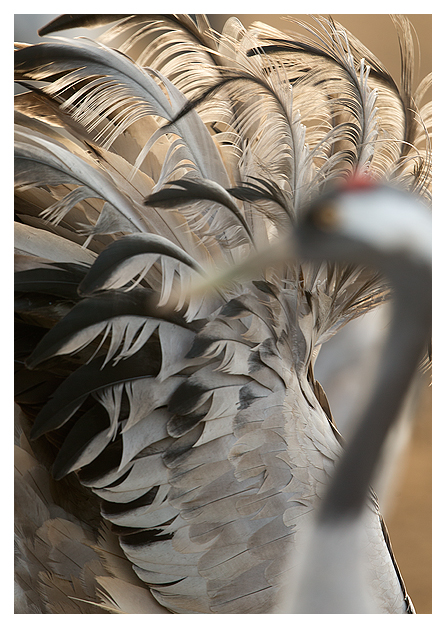
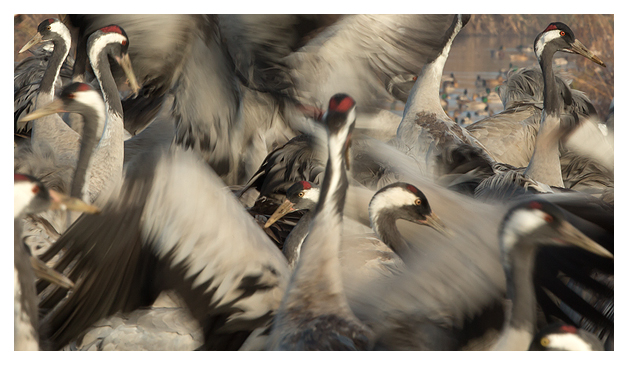
I also used long exposures to show a sense of movement within the flock, again it doesn’t always work but I like to experiment in situations like this.
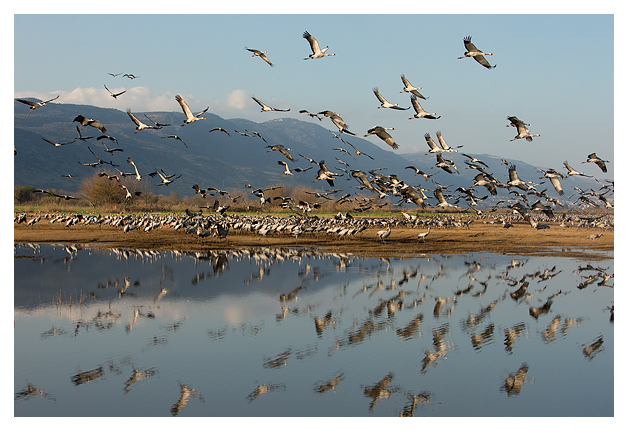
The best way of working with large groups of birds like this is to use a variety of lenses and techniques as that way you come back with a complete portfolio. Not everything will work out but at least it is fun trying. I never forget the more conventional images though.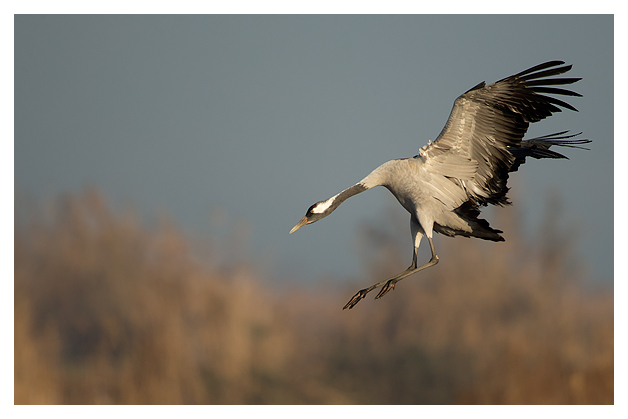
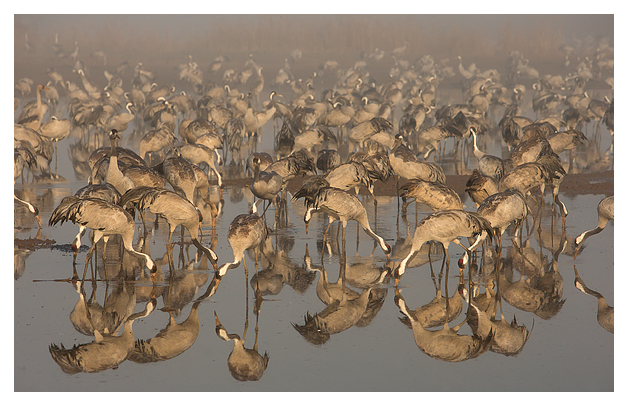

This is a great trip and the Hula Valley is a fantastic location for photography. I would like to thank the guys at the Agmon Crane centre, you always make us feel really welcome and will bend over backwards to help in our demands. I would also like to thank Yossi Eshbol and Chris Gomersall for helping put the trip together. Not forgetting the guests that came on the trip with me that we organised through Natures Images. We are already planning on our next visit so get in touch if you fancy some of the best crane photography around. I will just finish off with a few more from our early morning sessions.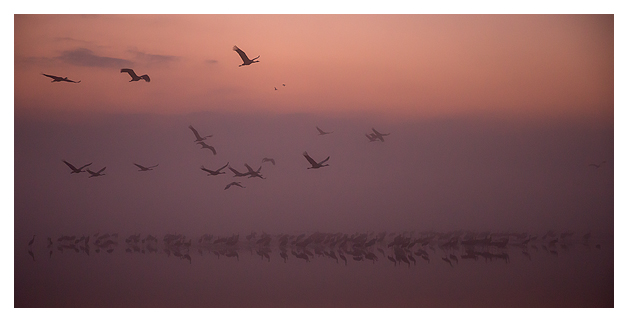
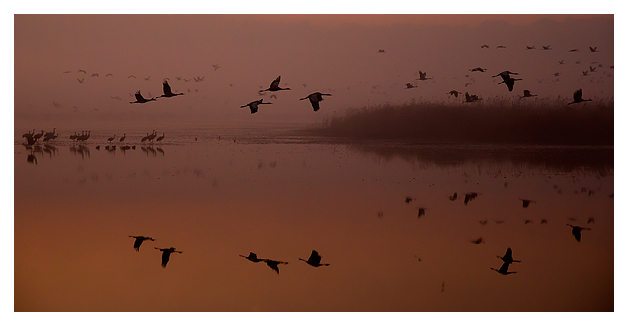

Danny
Back to news index
Please address the areas highlighted below