


A Japanese winter

During February I was co-leading a trip by Natures Images to Japan with Edwin Kats. This was my second visit to this wonderful country and its beautiful wildlife. I always enjoy going to a location on a second visit as I am more prepared and know what to expect.
It was always going to be hard to beat my first trip as we had the perfect conditions, but this trip certainly did that. Now I don’t speak Japanese and most people only speak a little English so we used our same guide as the previous trip. Harumi was our guide and she delivered everything we had asked of her, what a star. Our first visit on our whistle stop tour was to see the Snow Monkeys just north of Nagano.
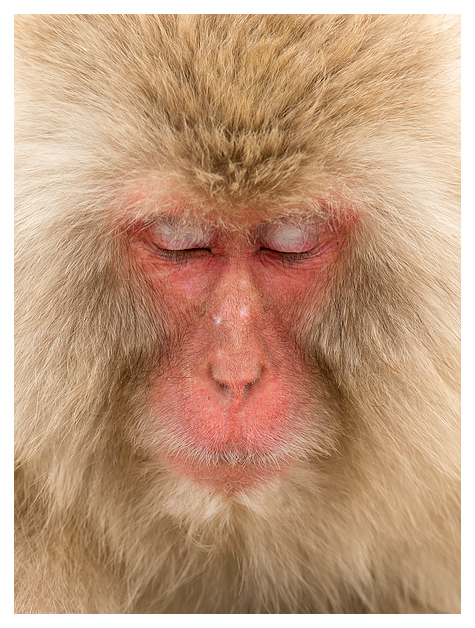
We had arranged for three days to be spent at the Monkey Park. The weather conditions are so important here and just prior to us arriving lots of snow had fallen. So everything was fresh for the first couple of days. Now the park gets a lot of visitors and I do find it hard with all these people around. Most of them go to the thermal pool where the Monkeys hang-out during the day so this year I avoided going myself. I think the best shots are along the river anyway and because of all this fresh snow it was easy to make to images of them.
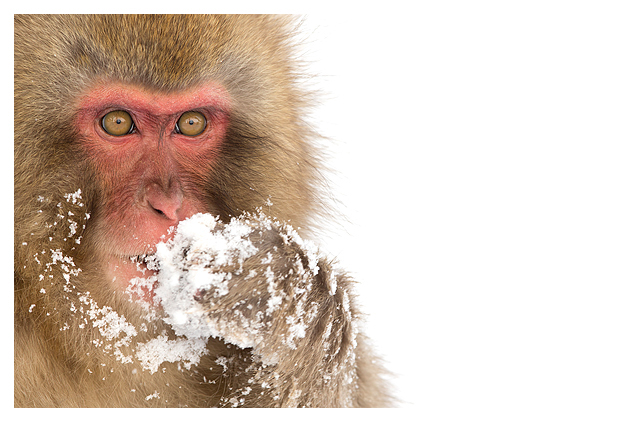
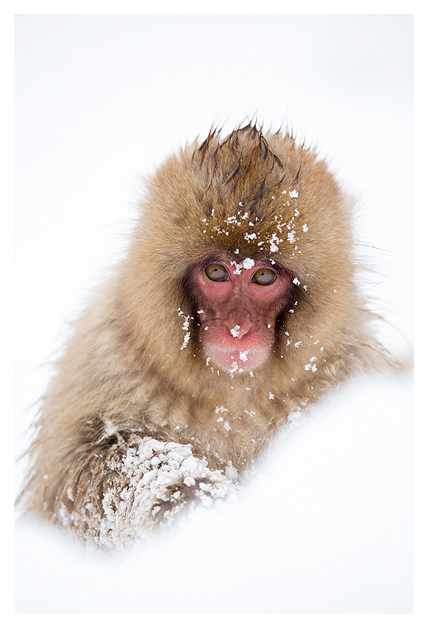
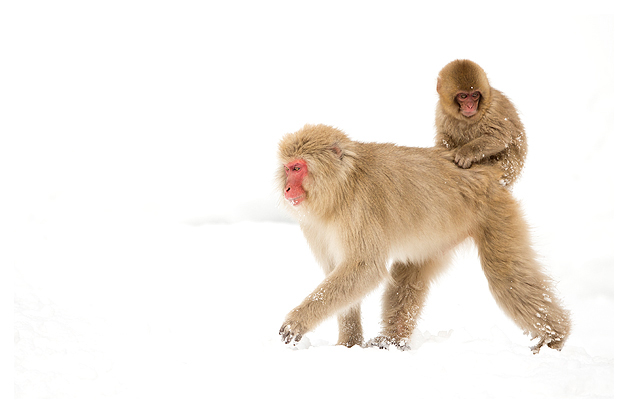
 Last year I was trying to capture an image of a youngster riding on their mums back but didn’t quite manage to do so successfully. So I concentrated on this bit of behaviour whilst I was there. Still only managed a few results though.

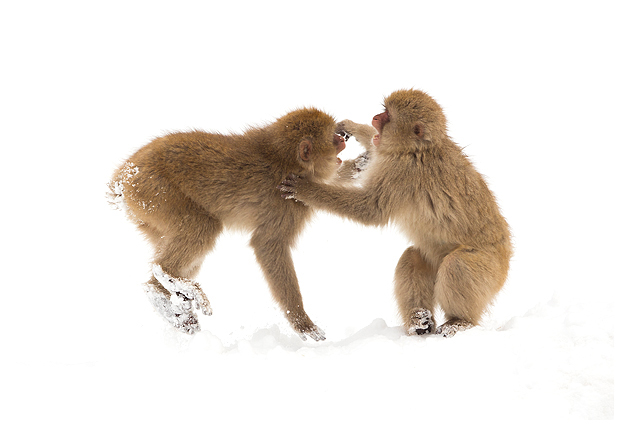
Another shot I didn’t manage last time was of the youngsters play fighting. That is why it is always nice to visit again because you can work on different images. These two were really playful and kept getting scolded by their mums.
Our next stop was the island of Hokkiado and so we headed back to Tokyo to catch an internal flight to this fantastic island. Now I think I have mentioned before that I love Cranes and the most beautiful species is the Japanese or Red-crowned Crane. I was really looking forward to this part of the trip and to try my luck at photographing them again. I apologise to the people that don’t like Cranes as I have found it difficult not to process too many but in the end couldn’t resist.
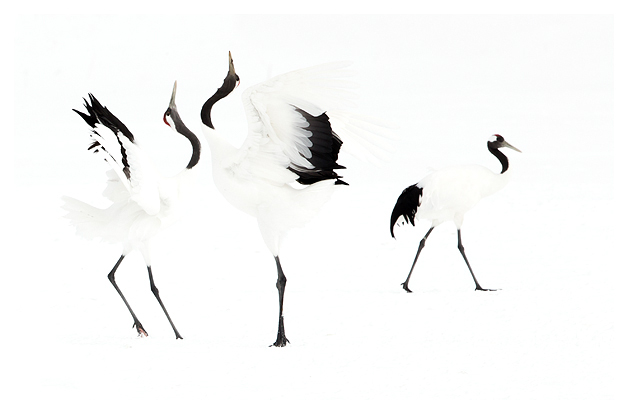
There are a number of places to try your luck at photographing them and one of my favourites is the Arkan crane centre. It is a very civilised place and the two old Japanese ladies that serve curry and rice are very nice; it is a great shame that they are retiring, I will miss our conversations. The cranes are excellent here too and they are tempted with corn, so big numbers visit.

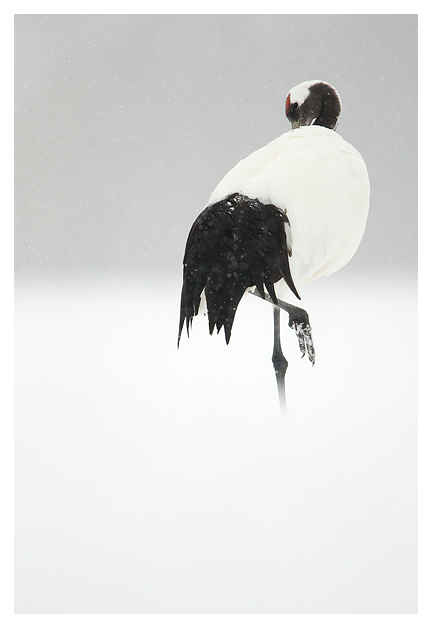
This beautiful Crane was nearly extinct and to think we nearly lost it as a species. It was thought to be extinct in Japan but a few pairs were found to be breeding in the Kushiro marshes and a recovery programme was put in to place. Now there are just over a thousand cranes in Hokkiado. The Cranes do all sorts of things so it is good to build up a portfolio. Lots of preening happens between feeds and because you are close you can do lots of detail work.
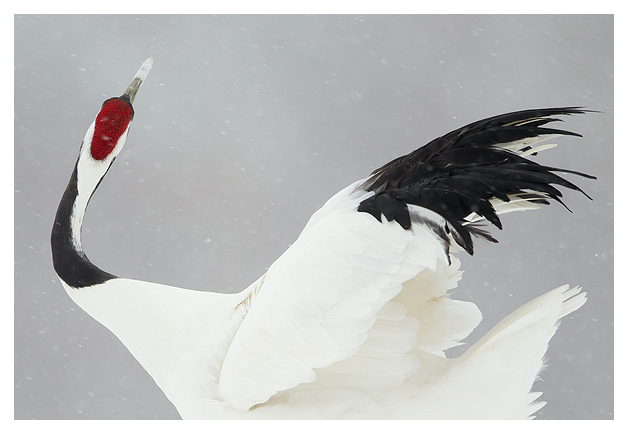
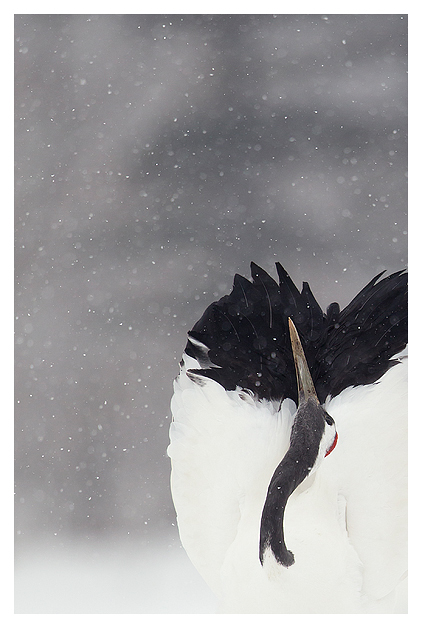
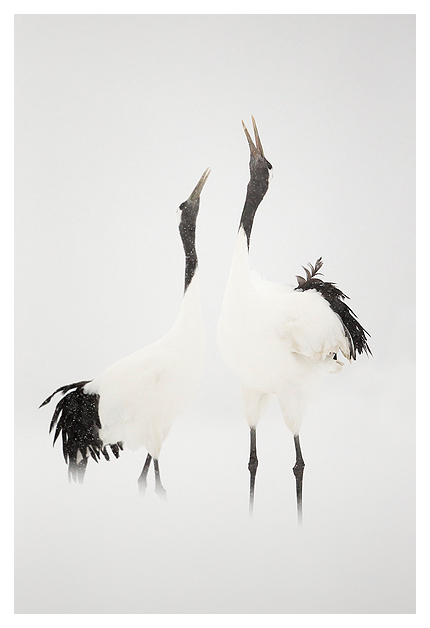
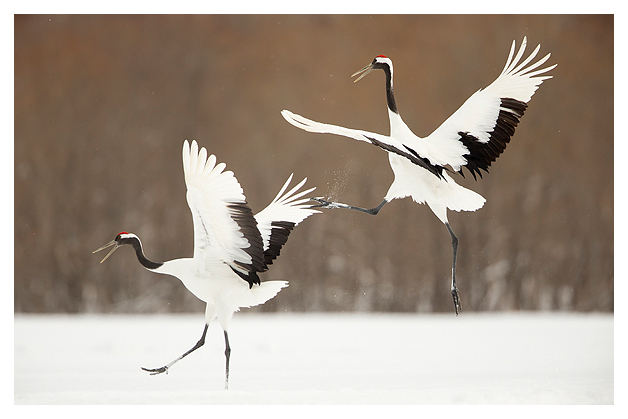
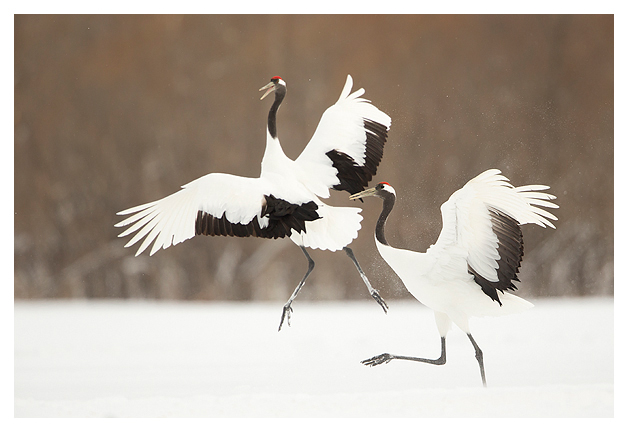
They also do a lot of displaying at this time of the year and you can capture some great shots of this elaborate courtship ritual.
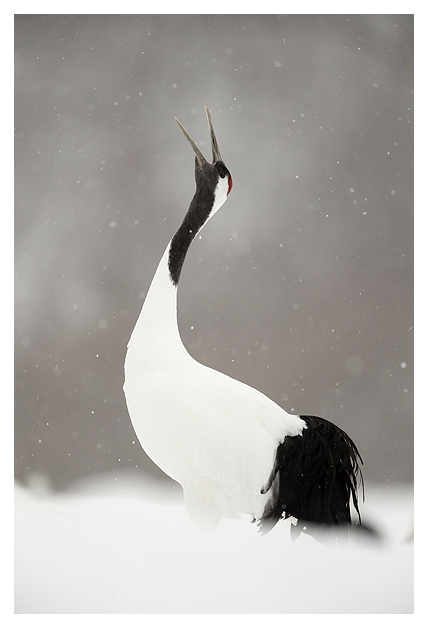
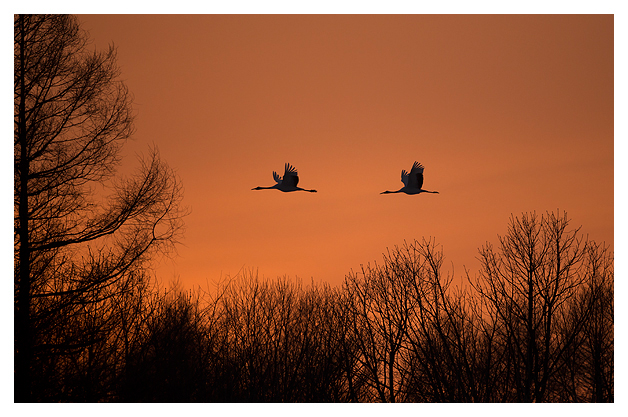
There are other areas to visit around the Kushiro marshes especially early in the morning and later in the day. Harumi took us to a great place to see the Cranes fly in from the surrounding fields back to their night time roosting sites.
The other great spectacle at the Arkan centre is the feeding of the White-tailed Eagles. This happens every afternoon and the action is fantastic but brief. It is a great place to capture this impressive raptor in flight and we got lucky with some good conditions. Light snow was the order of the day and it wasn’t too much to fool the auto-focus.
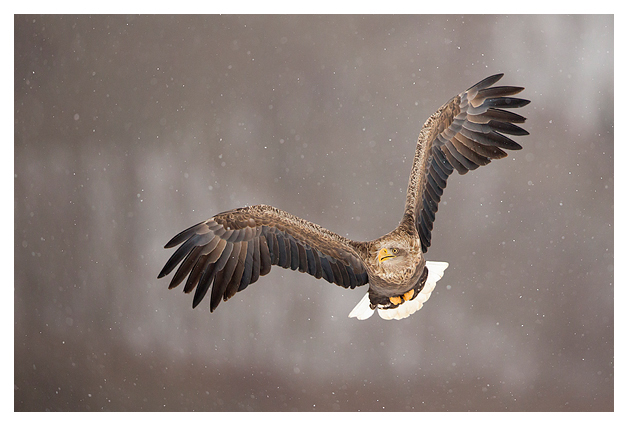
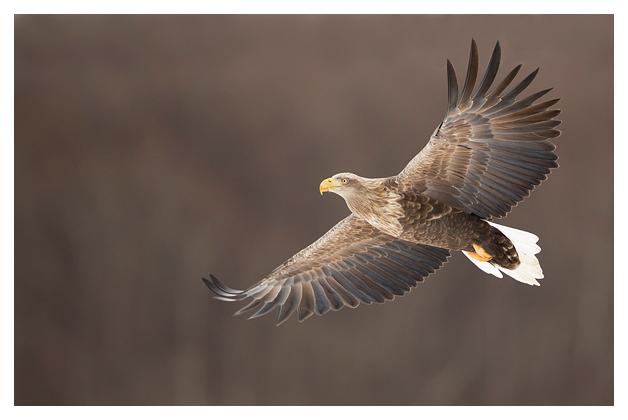
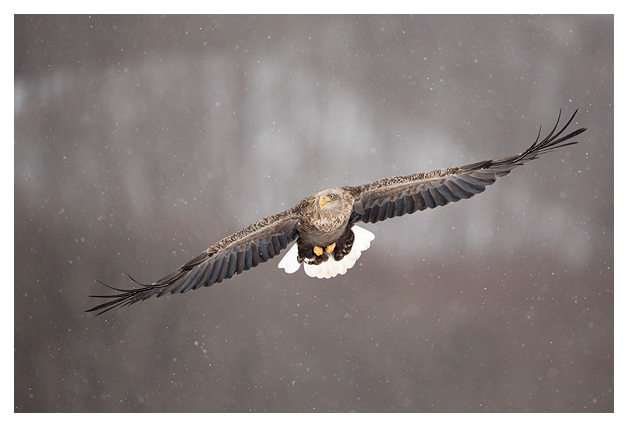
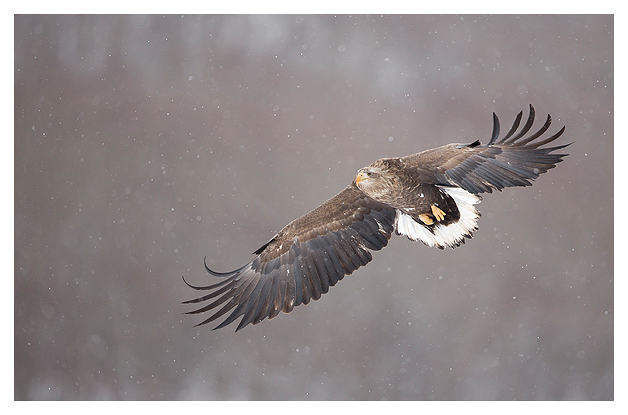
The great thing about photographing the eagles at Arkan is the snow that lies on the ground as it acts as a giant reflector which is great at retaining the detail it the feathers.
We spent four days at Arkan which was great because it gave us the time to work on lots of different shots.
One thing I missed last year was the chance to capture the cranes performing their elaborate dance routine. On one of the days a pair started to perform it and then others started to join in, it was great to witness.


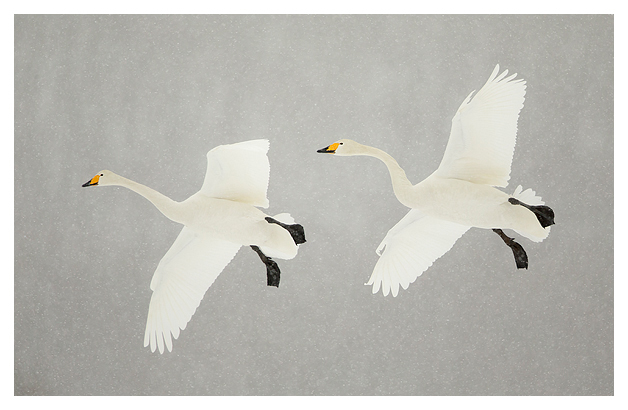
After our dance with the Cranes it was time to move on to our next location which was Lake Kussharo. This is a great location for photographing Whooper Swans; well it is when you can get to it. A huge storm was hitting the area and all the roads in and out where closed. This meant we were confided to our hotel for a couple of days. It was very frustrating as we were only 15km from the Swans but we just couldn’t get there. Eventually the roads to the south opened and we could now move on to our last stop on this trip. We headed to the town of Rausu which is on the Shiretoko peninsula.
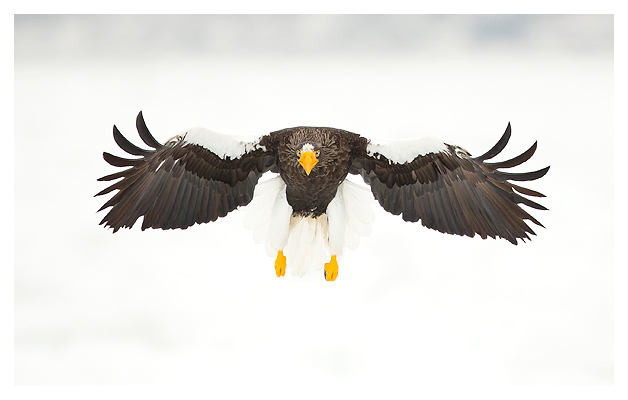
During the winter large numbers of Steller’s Sea Eagle winter on the peninsula. Most of these birds come from Kamchatka in Russia. During the latter part of the winter great rafts of Ice appears along the coast on Shiretoko. The ice drifts in from the Sea Okhotsk. It is not pack ice like you get in the Arctic but comes from the huge Amur River along the border of China and Russia. As the fresh water ice breaks up it then drifts with the currents to settle of the coast. It is always hit and miss whether it appears but we got extremely lucky as a few days before it wasn’t close by. But the huge storm that came in and left us trapped at the hotel in Kussharo brought in the ice. Perfect timing for our boat trips and eagle encounters.
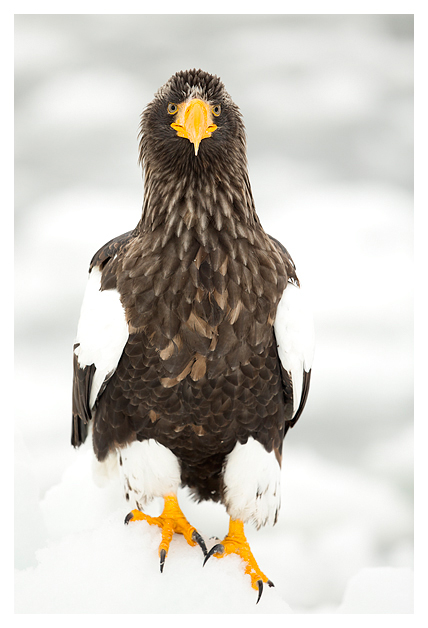
The best way to see the Eagles is by hiring a small boat which takes you out each morning. We had two days out on the ice and the guys that own the boats are local fisherman. The eagles have been following the boats for years and so recognise a free meal when they see them. The fisherman throws out dead fish to attract them down and at one point we counted over thirty birds. It is amazing being this close to such beautiful birds in such a wonderful setting. It is great for getting intimate portraits and trying to capture them in flight when they come in.
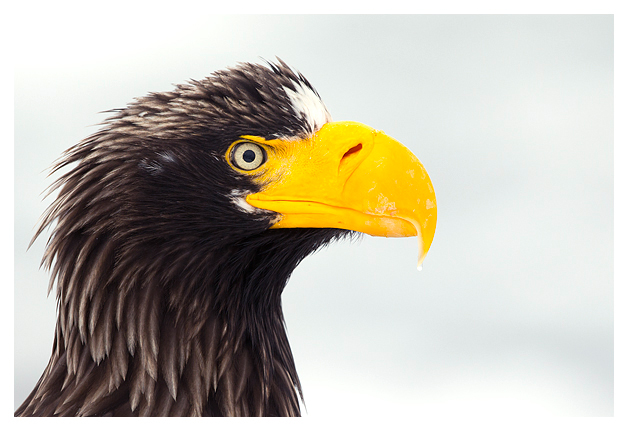
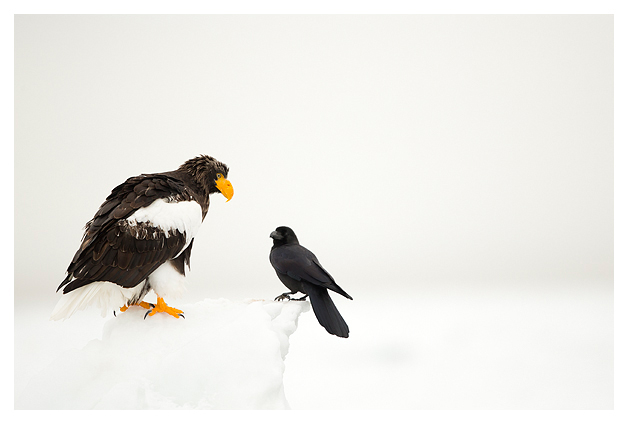

It is also really good for White-tailed Eagles and again it is amazing to be this close to a wild eagle without having to be in a hide.
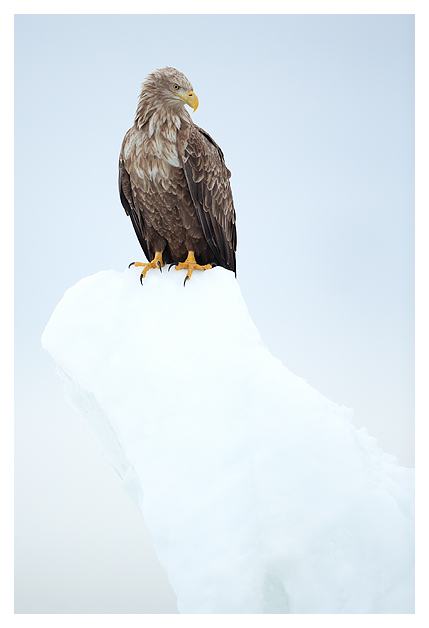

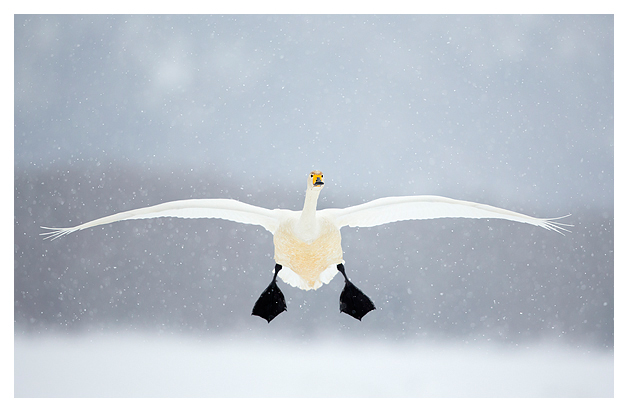
After our short stay in Rausu we then had another couple of days to try and get back to the swans at Lake Kussharo. By this time the roads had all re-opened and so we could get back. It would have been a shame to miss out on the Swans and so we were thankful for the chance to go back. Next year we decided not to run a trip to Japan but I am regretting not doing so as I would dearly love to go back. I will be putting a trip together for the following winter though, in 2017, so if you would be interested please drop me an email. I would like to thank Harumi for all her help throughout the trip and I would like to thank the guests that joined me on this trip. Thanks for your patience as we where holed up in Kussharo. I will just finish off with a couple of Swan images.
Danny
Please address the areas highlighted below