


Florida’s Spring Birds
Chris Gomersall shares some images and thoughts as he looks back on running our regular trip to enjoy the photographic delights of Florida’s Spring Birds, a trip that offers an array of species for bird photography enthusiasts to get stuck into.
Florida has for a long time been a popular destination with bird photographers, as it is home to many large, approachable subjects, and they are generally bathed in glorious light. And, let’s face it, who doesn’t like a bit of sunshine and warmth towards the end of a long, wet winter in the UK? We weren’t to be disappointed in that respect, with temperatures in the high 20s throughout the week of our visit.
So on some Nature’s Images tours, you might stay in one location and dedicate all of your time to just one or two primary subjects. You may well need all of that time to be sure of getting the shots of your target species, to cover various behaviours, or to try a range of different creative approaches. The Florida Spring Birds Tour isn’t designed like that, being more about covering a diverse range of subjects across a range of habitats as we travel around the State. And that too is a perfectly valid strategy, depending a few basic conditions are met. These include; a well-researched itinerary, the reliability of your wildlife subjects, the services of an accomplished guide with extensive local knowledge, who also happens to possess incredible field skills. Enter Stan Tekiela! Stan normally lives in Minnesota, but spent a lot of his childhood in Florida and has led many wildlife tour groups with Natures Images here in recent years, and it was our good fortune to have Stan as my co-leader on this trip.
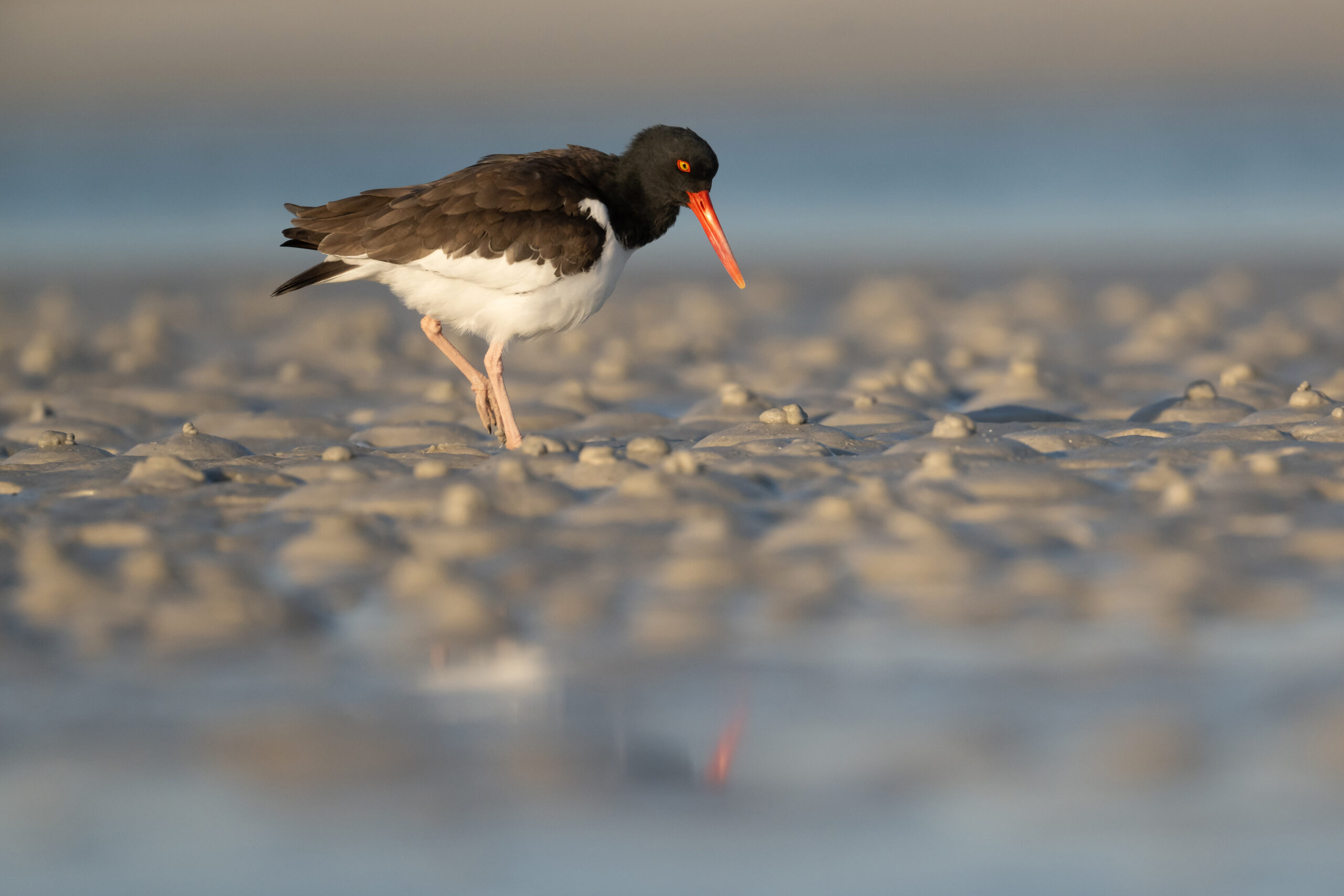
Arriving in Tampa on the Gulf (west) coast of Florida, we spent our first couple of days in the Saint Petersburg and Fort de Soto area, concentrating mainly on coastal birds. This involved an early start to be able to use the best light, and a spot of paddling in the shallow tidal lagoons to get closer to our subjects. Some of the waders (or shorebirds as they’re called here) were familiar to us – such as sanderling, dunlin, turnstone, and black-bellied plover (= grey plover). Others were curiously similar to birds we know from home, but subtly different – like American oystercatcher and marbled godwit. More unusual for us were the greater yellowlegs and willet.

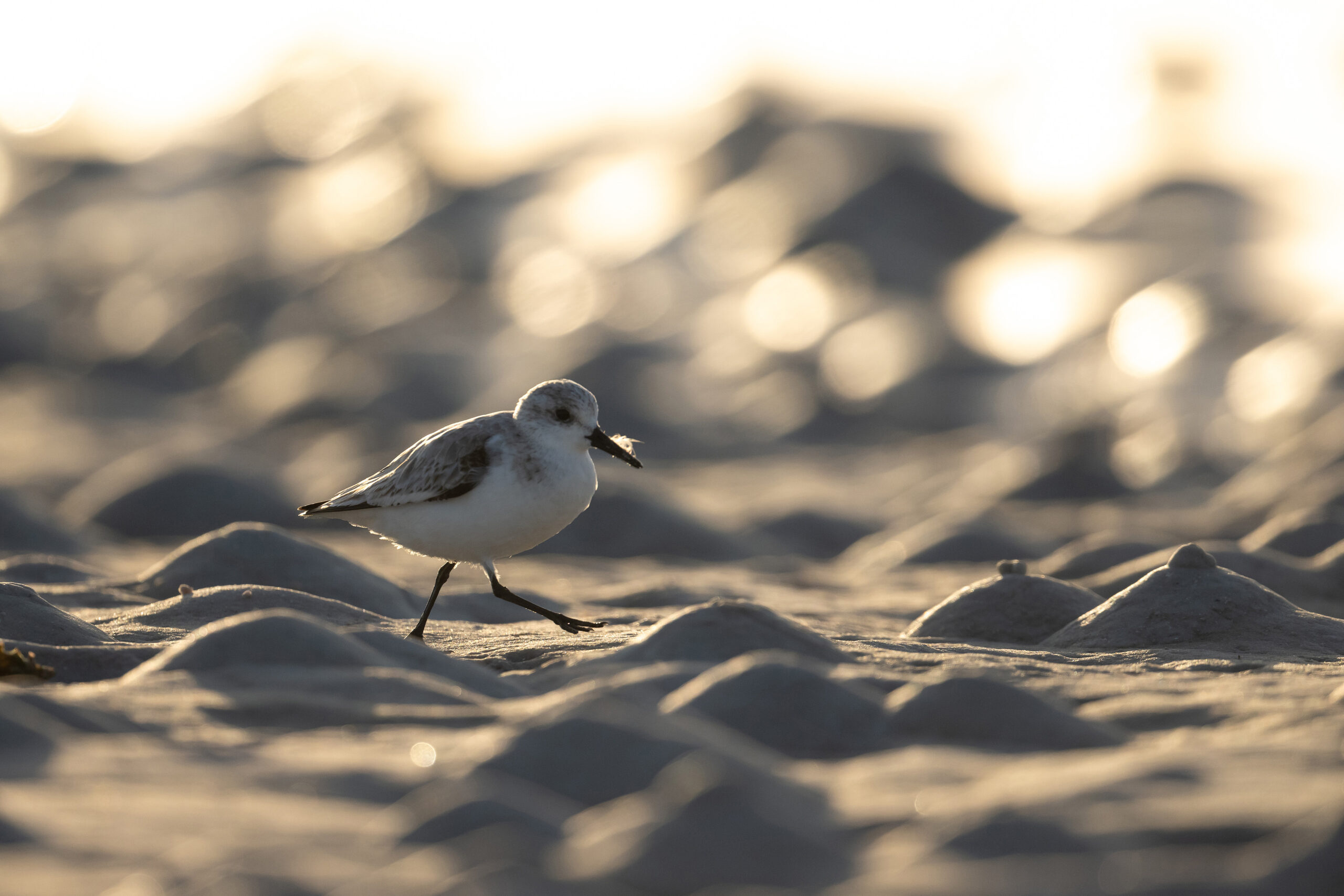

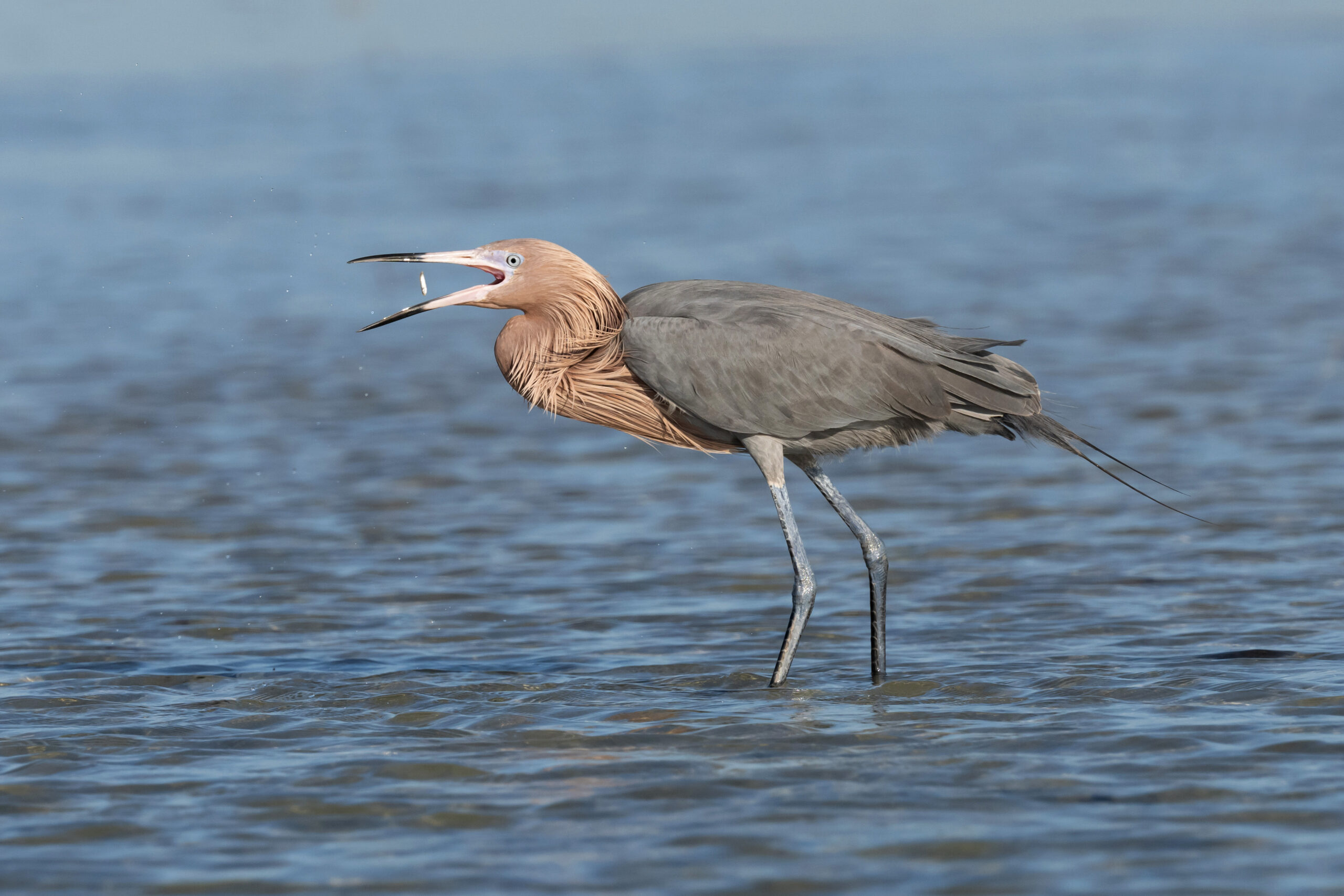
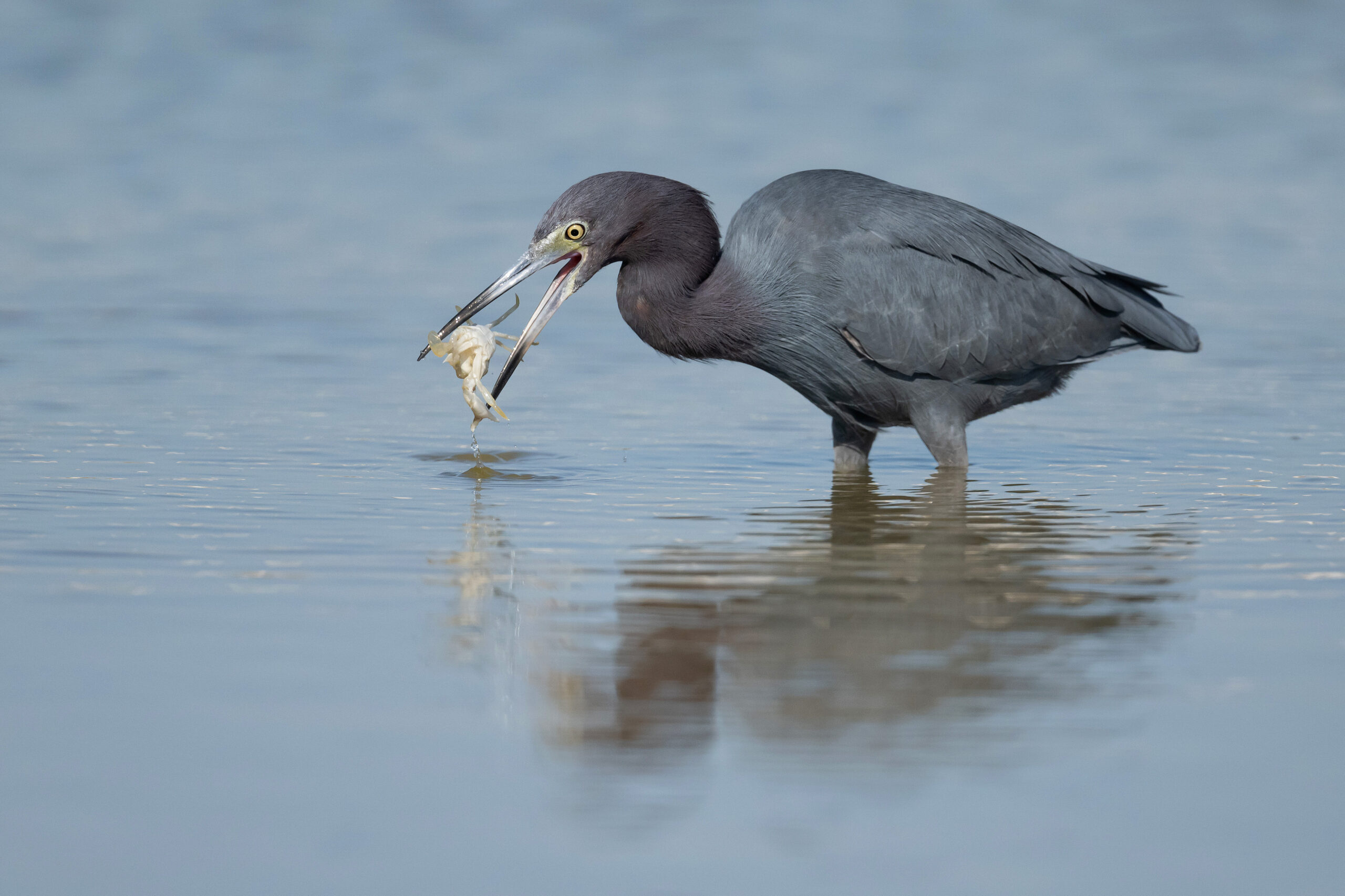
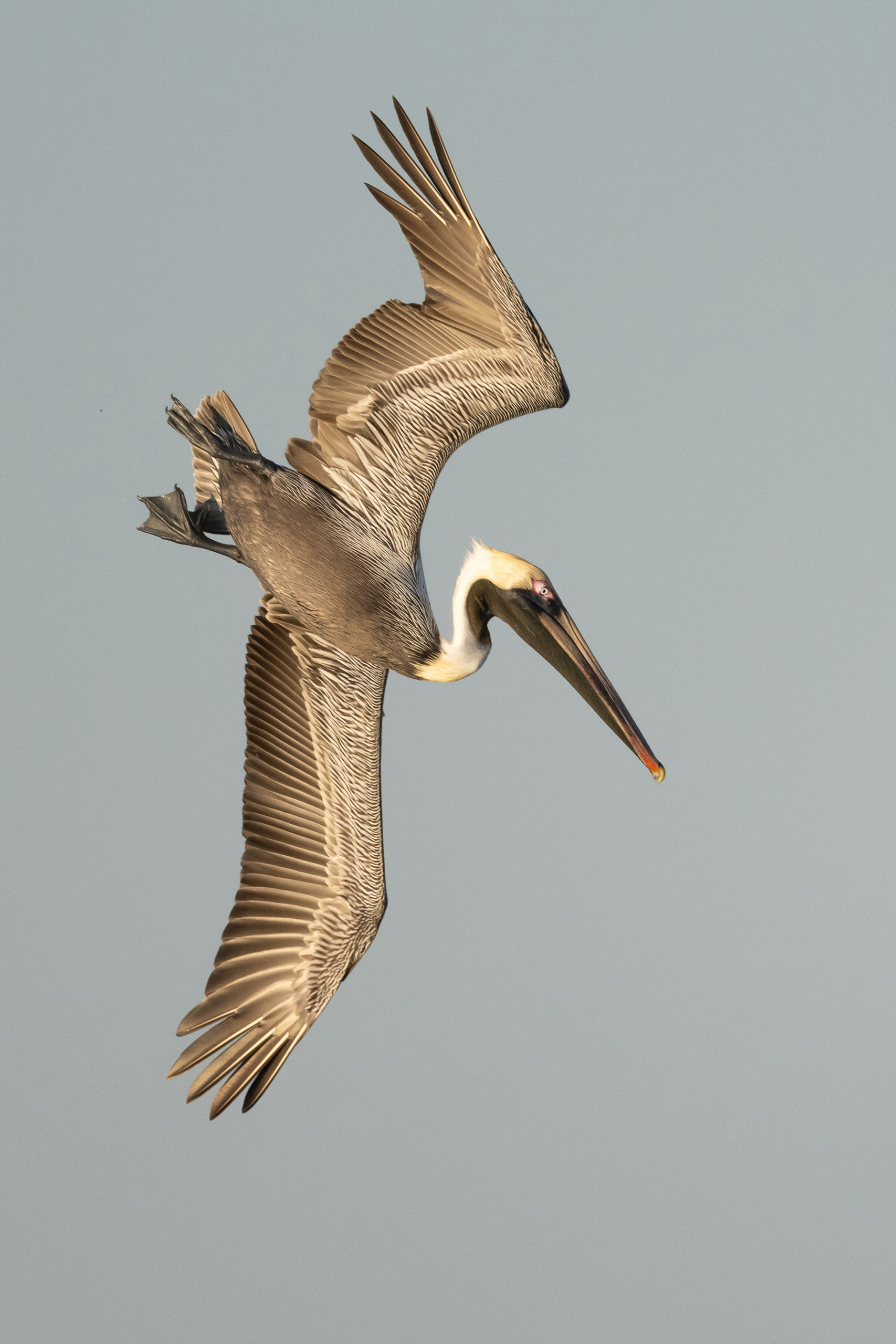
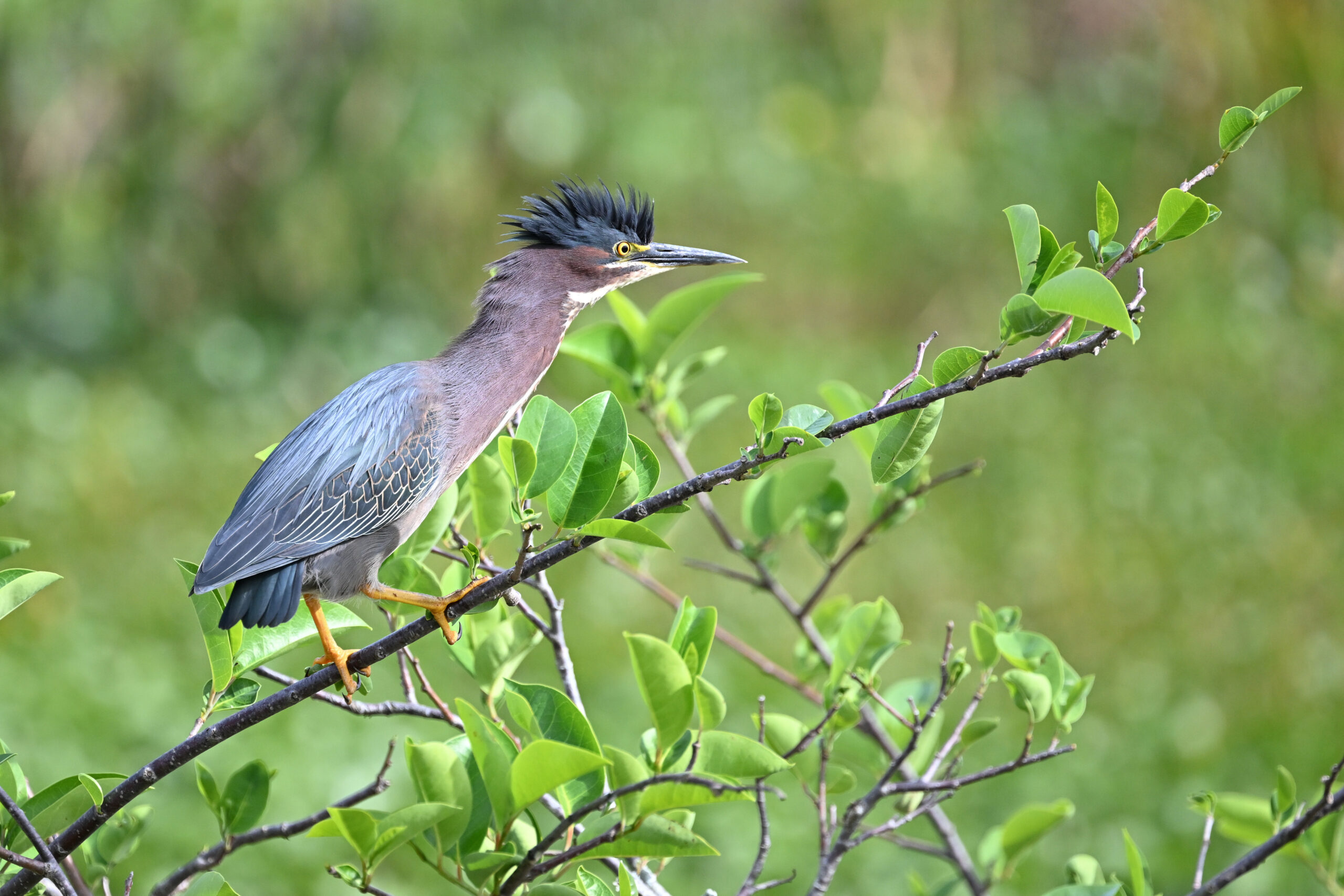
We were particularly fortunate to find small groups of the threatened snowy plover and piping plover. When you add the several species of herons and egrets, three types of terns, and frequent sightings of brown pelicans and ospreys, there was really no shortage of subject matter here. The dancing egrets and diving pelicans were a good test for our reactions and our various cameras’ bird recognition AF systems.


By mid-morning, the light was becoming rather harsh and we were feeling quite peckish, so we went to find a diner for a classic American breakfast. We then had a short rest period to chill out and download images back at our accommodation before heading out in the late afternoon for our next session. This was to be the pattern for the duration of our stay in southern Florida – to use the early mornings and late afternoons for photography in the best light, enjoy a late breakfast or brunch somewhere, and when it became too hot and hazy we’d use that period for a little downtime or onward travel to our next destination.
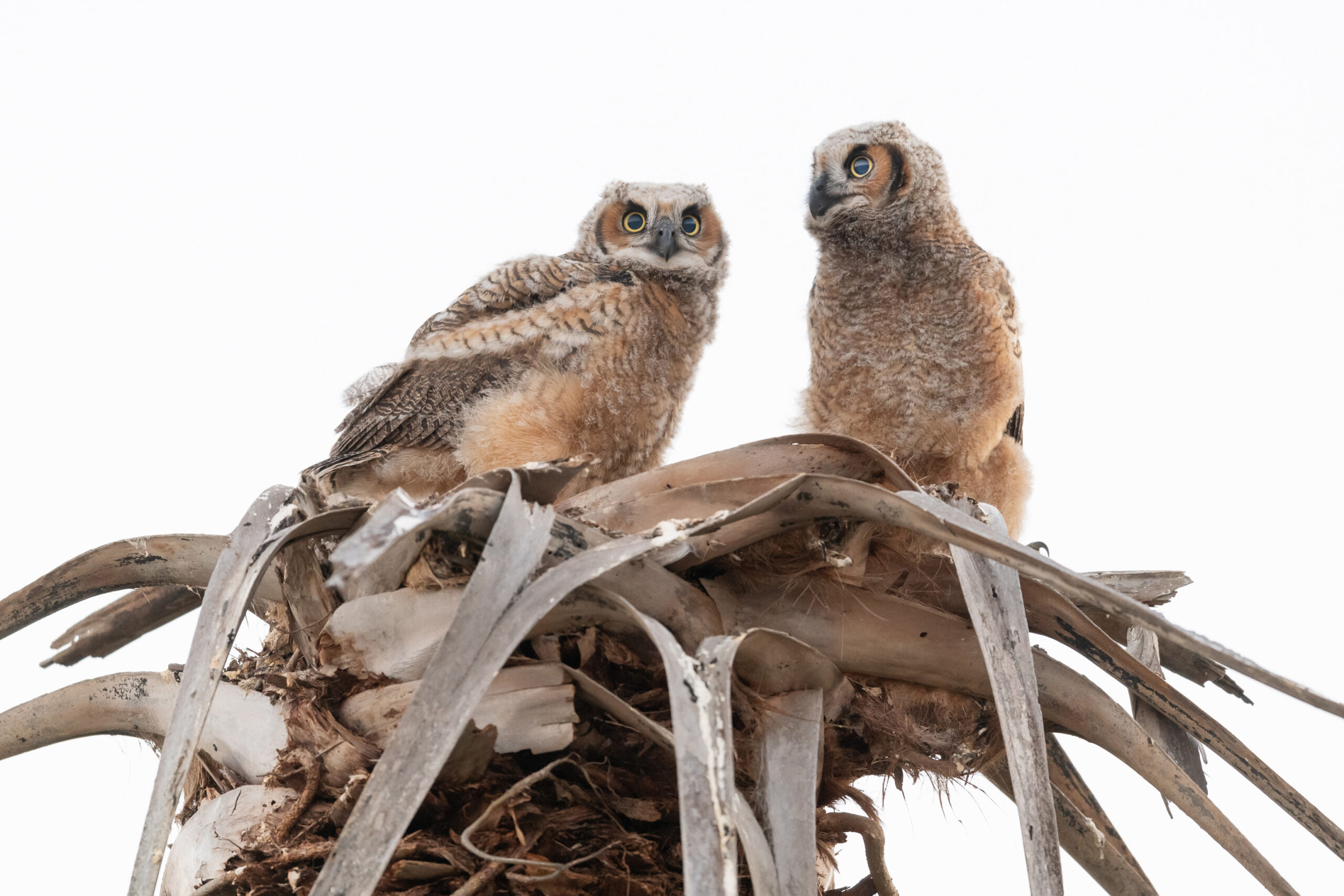
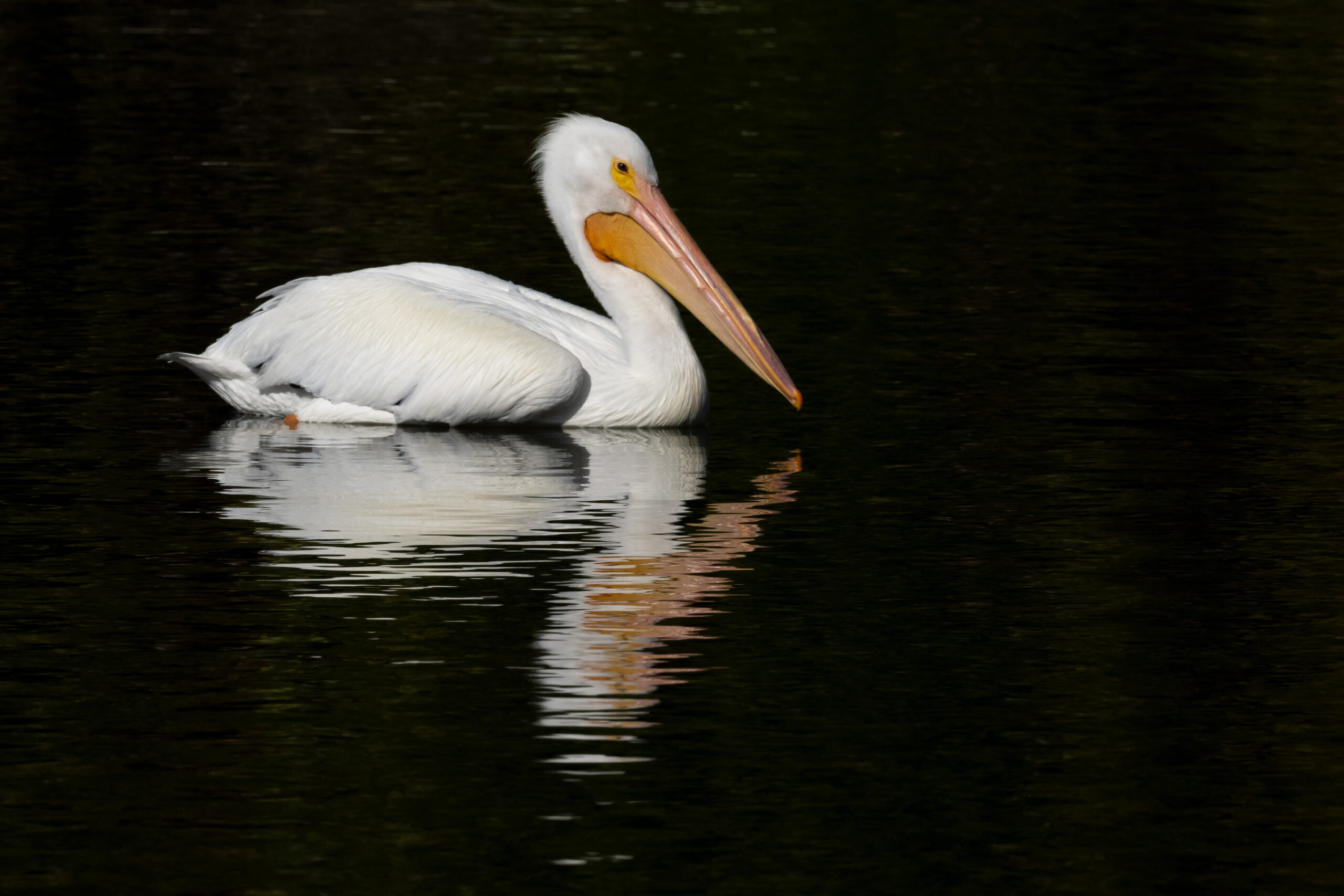
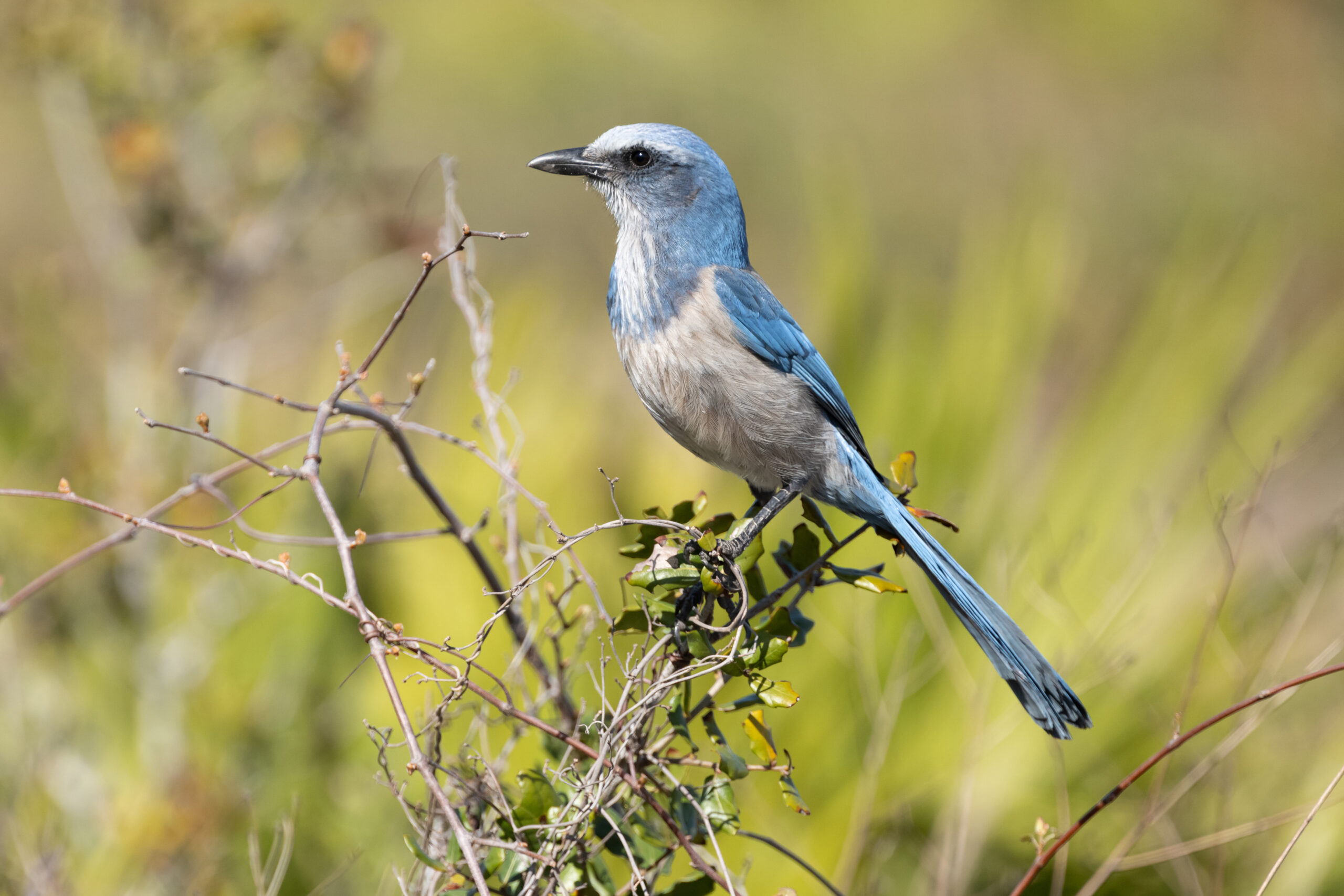
The following morning was similar to day one, but with the unexpected bonus of a couple of juvenile great horned owls that some friendly birders directed us to, and then the discovery of a flock of American white pelicans as were driving away. Heading south to the Venice area, we called in at a location Stan knew of for the endemic Florida scrub jay, which duly proved to be a reliable performer.
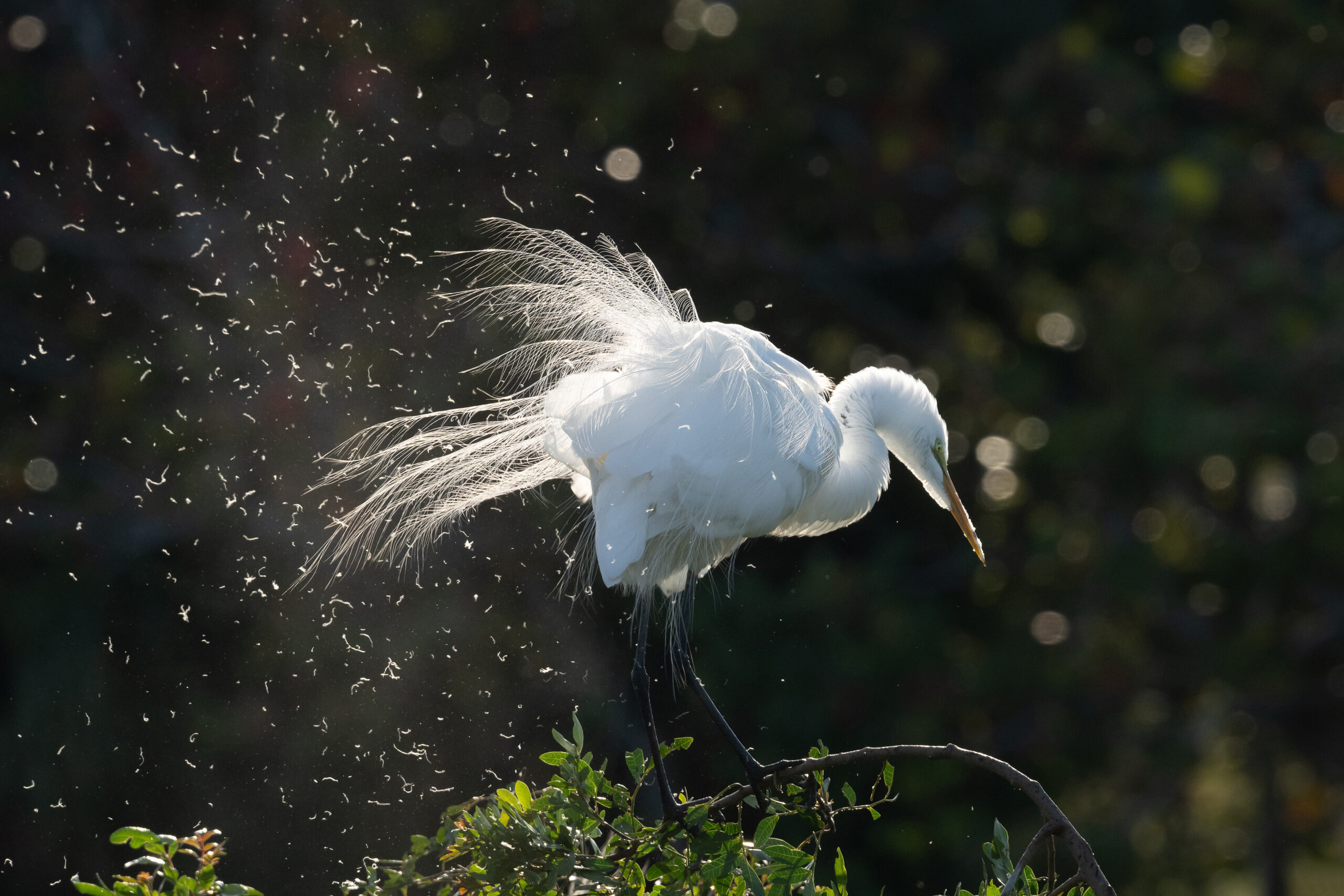
Then by late afternoon, we were setting up at a well-known rookery (or heronry) where there were lots of nesting herons, egrets and anhingas. This gave us some wonderful opportunities to photograph courtship rituals, flight activity, and to experiment with backlit subjects.

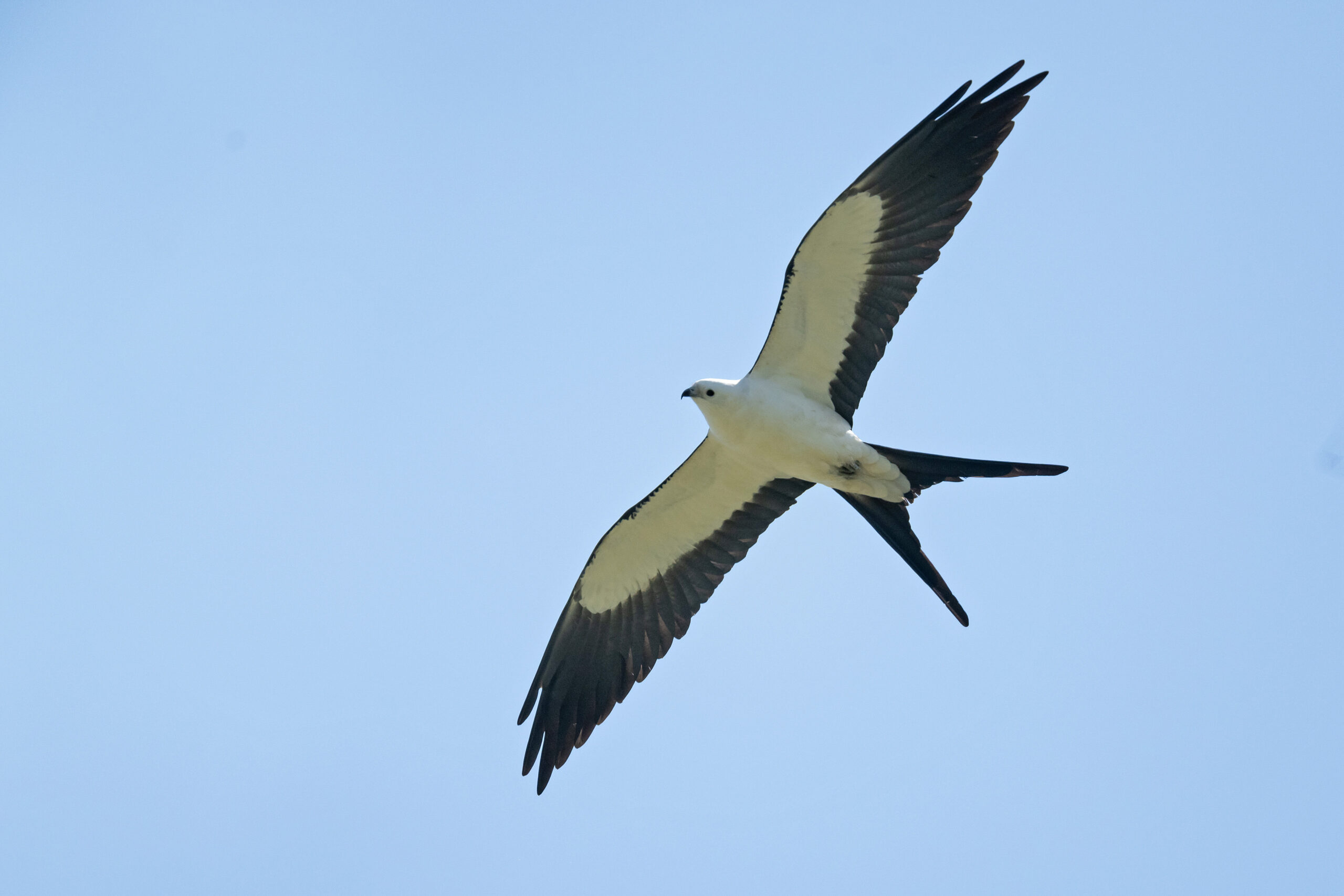
Before leaving Venice, we made a repeat visit to the rookery and then continued our journey southwards towards Fort Myers and Cape Coral. A short diversion allowed us to visit a private garden feeding station for the aptly named painted bunting; a highly-prized subject for birdwatchers and photographers alike, and it’s not difficult to see why. Whilst here, we were also treated to great views of a couple of swallow-tailed kites overhead as they hawked for flying insects.

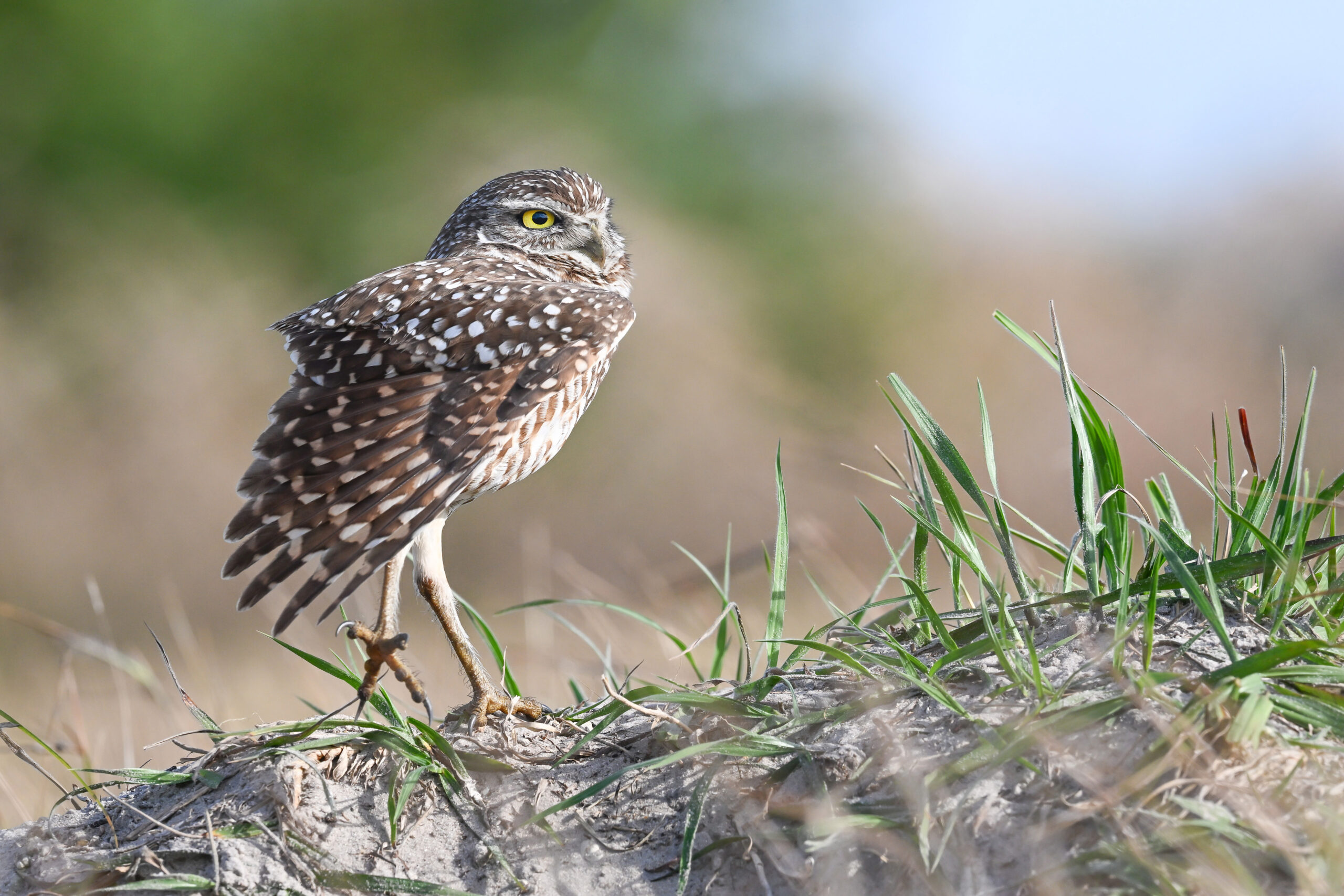
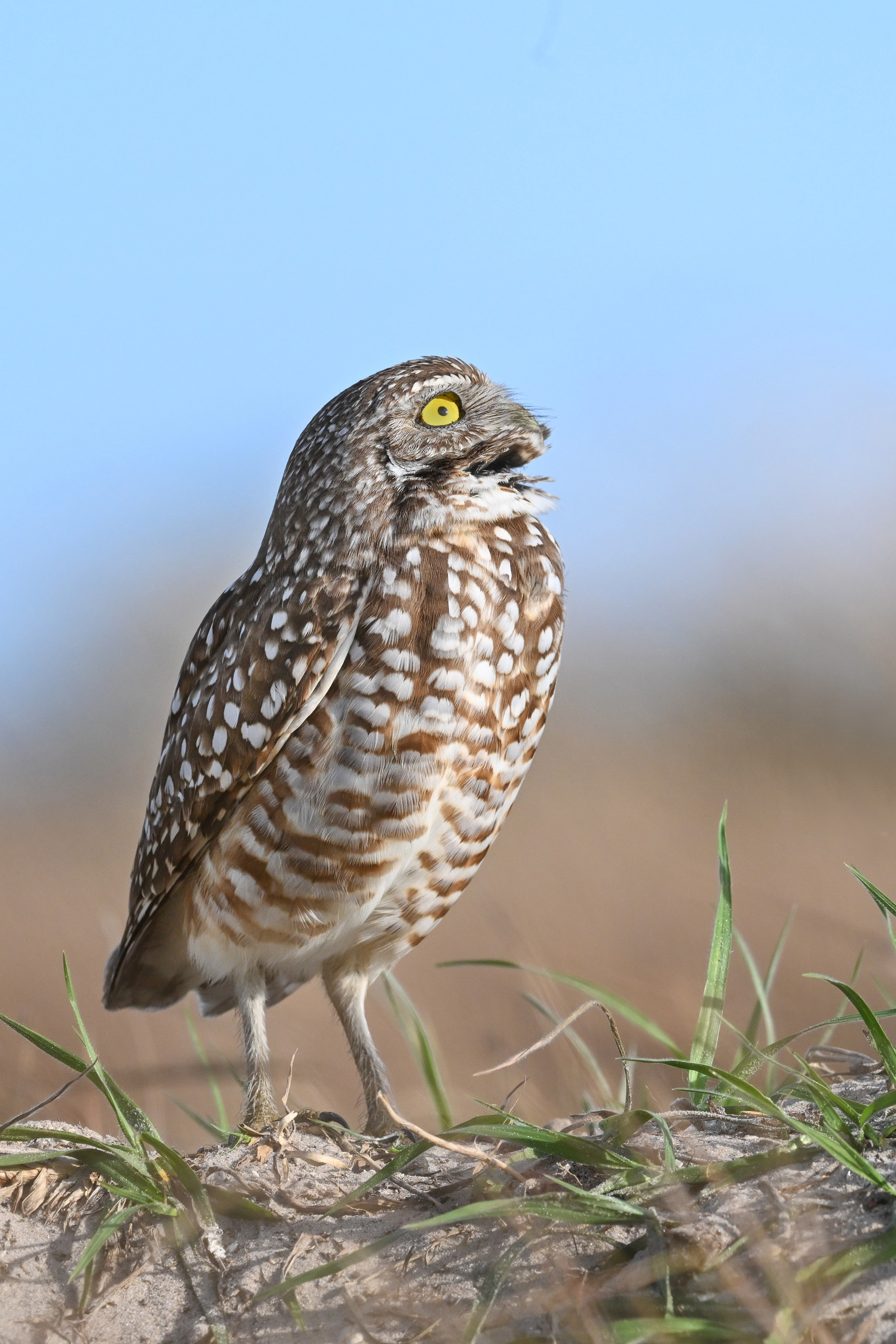
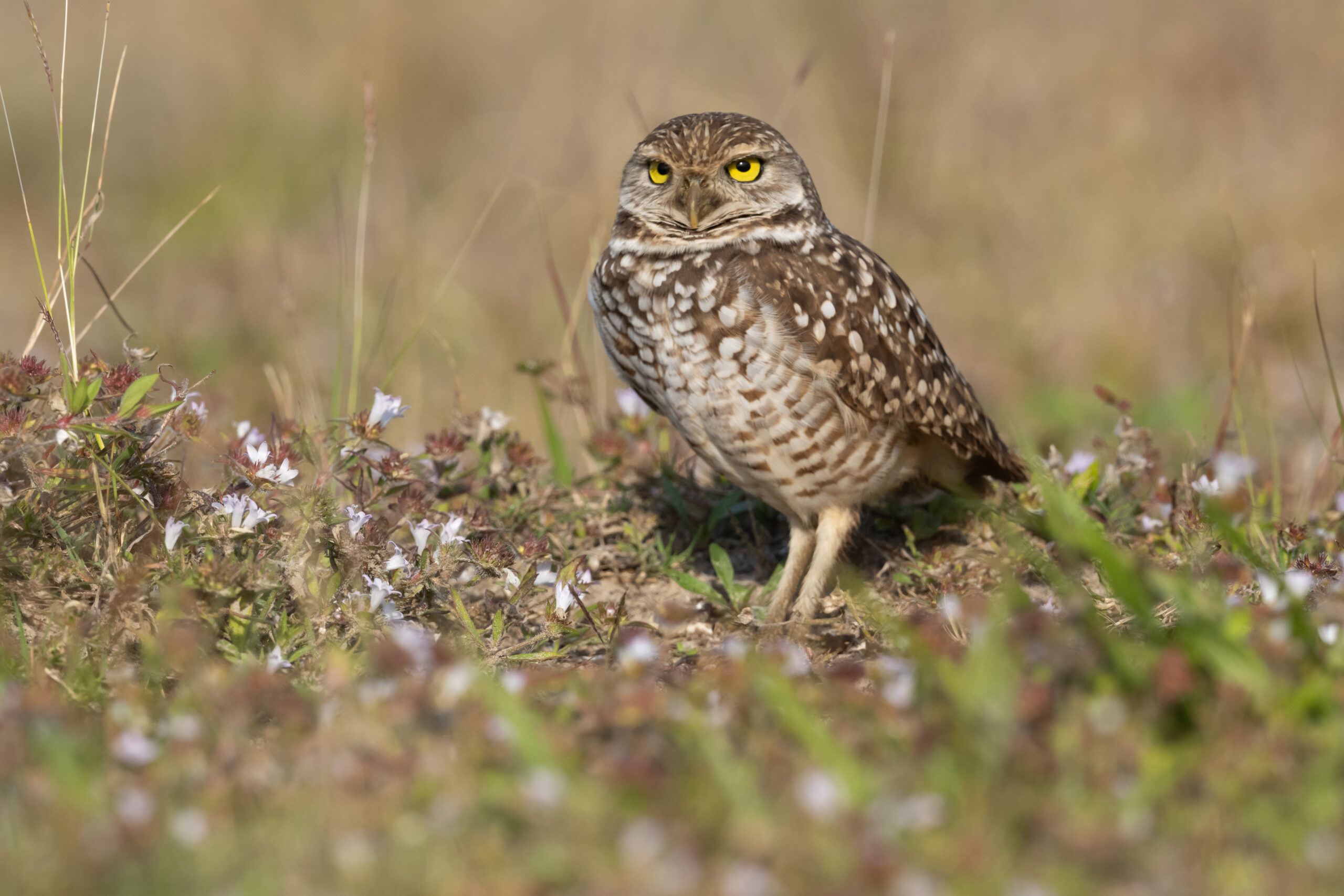
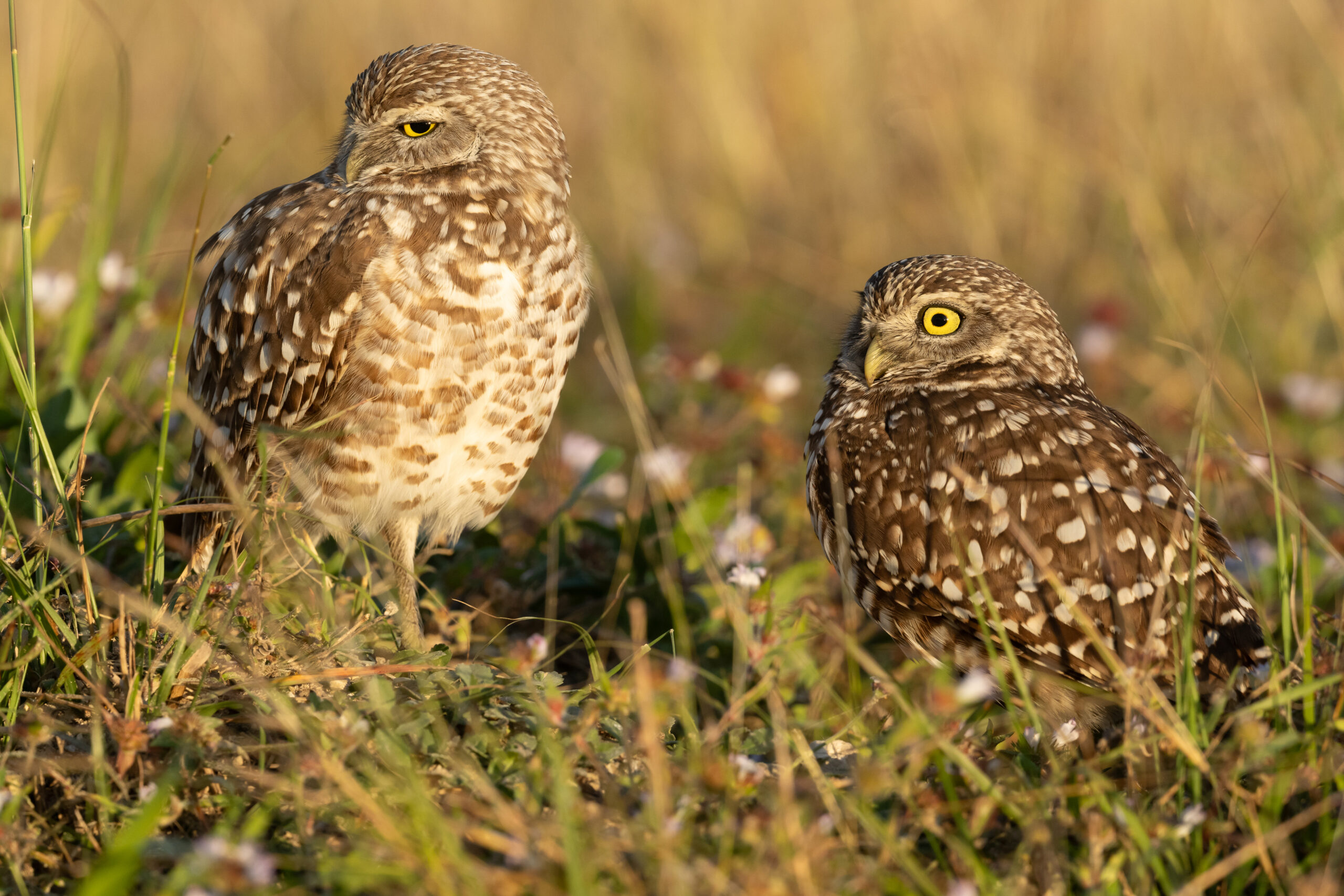
Next up was the ever-popular burrowing owl. These are locally quite common around the city of Cape Coral, and not too difficult to find as teams of volunteers helpfully mark their nest holes with white posts! However, it’s not always a sensible idea for a group of photographers to set up in busy residential neighbourhoods, so we toured around to find a quieter location where we wouldn’t be overlooked. Burrowing owls tend to become a little more active towards dusk, and we enjoyed some intimate encounters with these charming birds. There was a flurry of excitement when a wandering gopher tortoise strayed too close to one of the owl’s nest burrows, and the adult bird, undaunted, soon made it clear it was unwelcome.
While in this area we also made a couple of morning visits to a local freshwater marsh, where there were known to be a few pairs of nesting sandhill cranes, some of which were already moving about with their newly-hatched chicks. Other notable birds here included limpkin, purple swamphen, black-bellied whistling ducks, and a very fortunate sighting of an American bittern in the reedbed.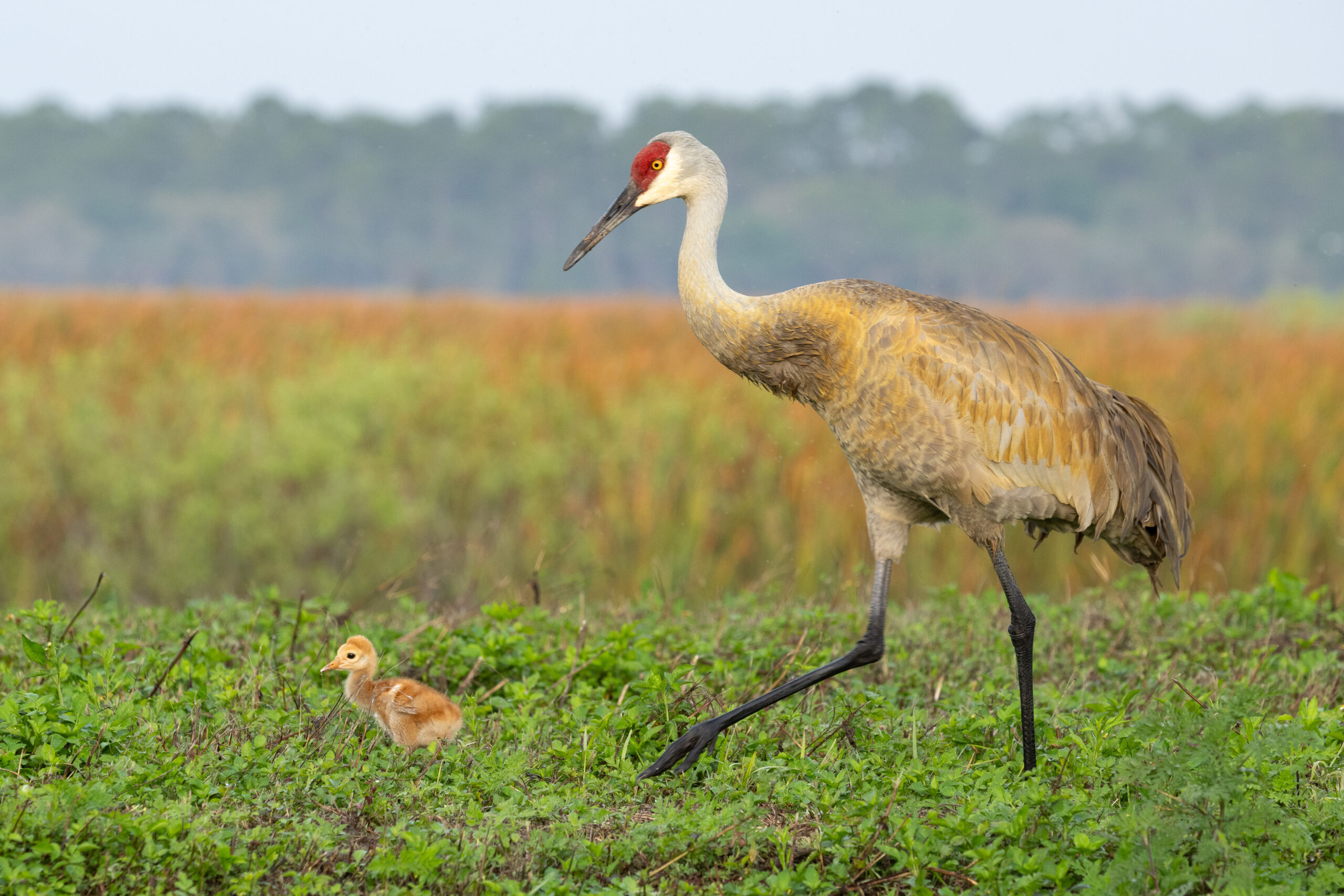


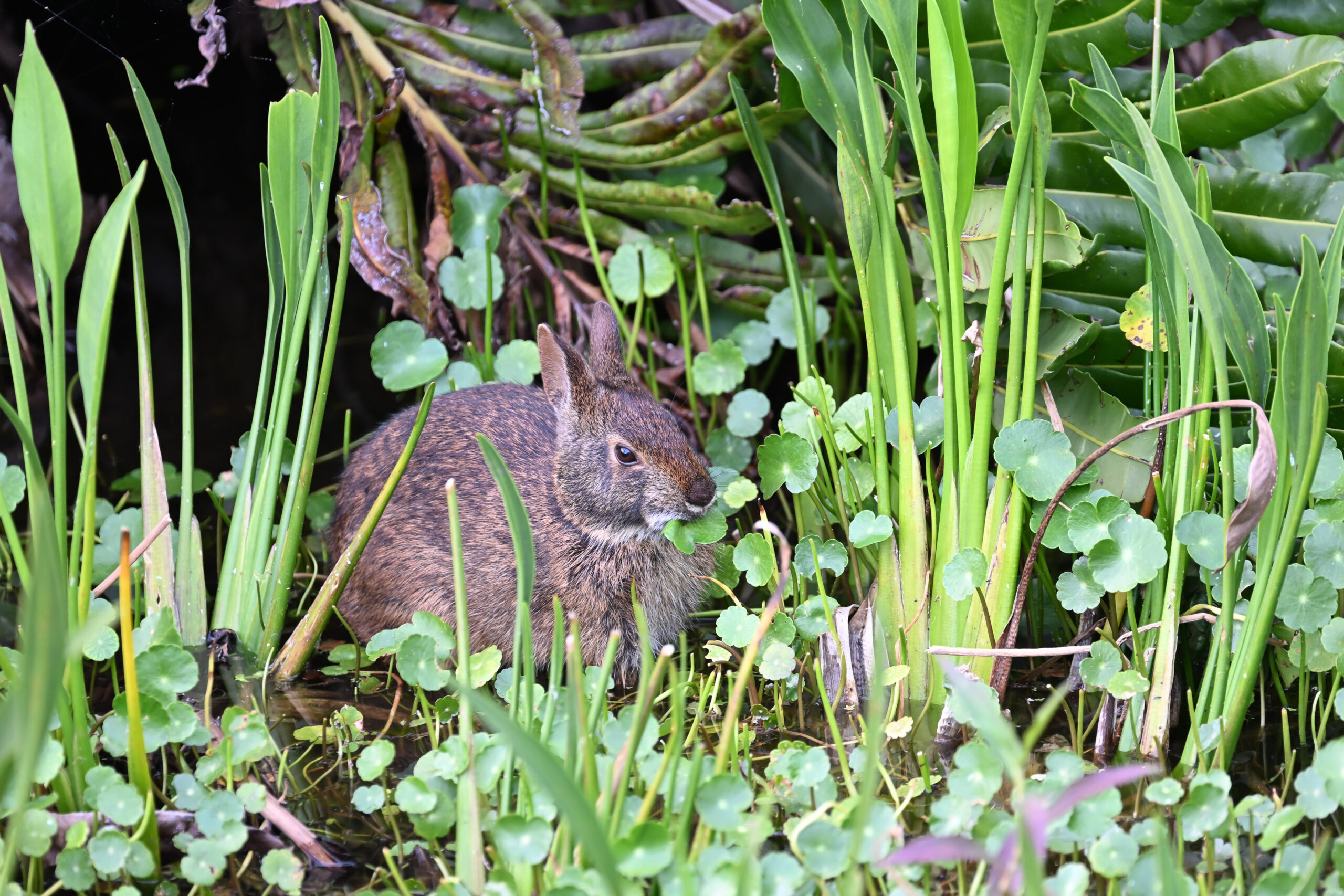
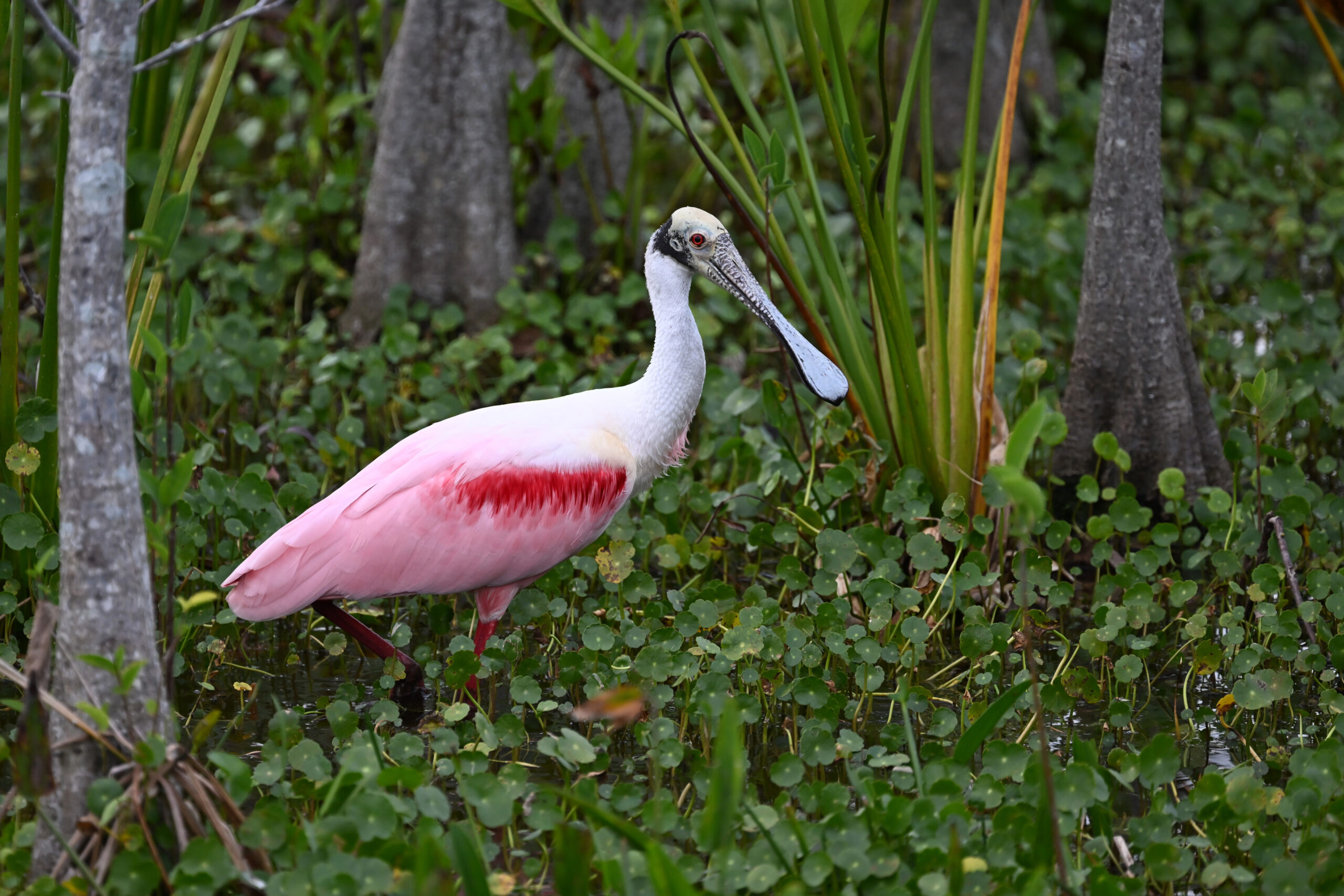
Now it was time for us to move across the State to the Atlantic coast. Our first stop was at Wakodahatchee Wetlands, a waste water percolation pond providing an ideal habitat for alligators, turtles, iguanas, and numerous wetland birds, with a convenient circular boardwalk for visitors. As well as many of the herons and egrets we had grown accustomed to this week, we found aaggregations of wood storks and white ibis, plus glossy ibis, our first roseate spoonbill and black-necked stilt. Perhaps the strangest sighting for us was the semi-aquatic marsh rabbit, which seemed quite at home as it chomped on overhanging vegetation while standing in a few centimetres of water.

Our final base was in Vero Beach. From here, we embarked on a magical early morning boat trip around a freshwater lake supporting no fewer than 270 pairs of nesting ospreys. Now we had been seeing a lot of ospreys in Florida, where they are really quite a common bird, but this was something special. Our cruise took us among the bald cypress trees festooned with Spanish moss which bordered the lake, and provided ideal nest platforms for the ospreys – not to mention a very attractive background for composing images of birds in habitat.

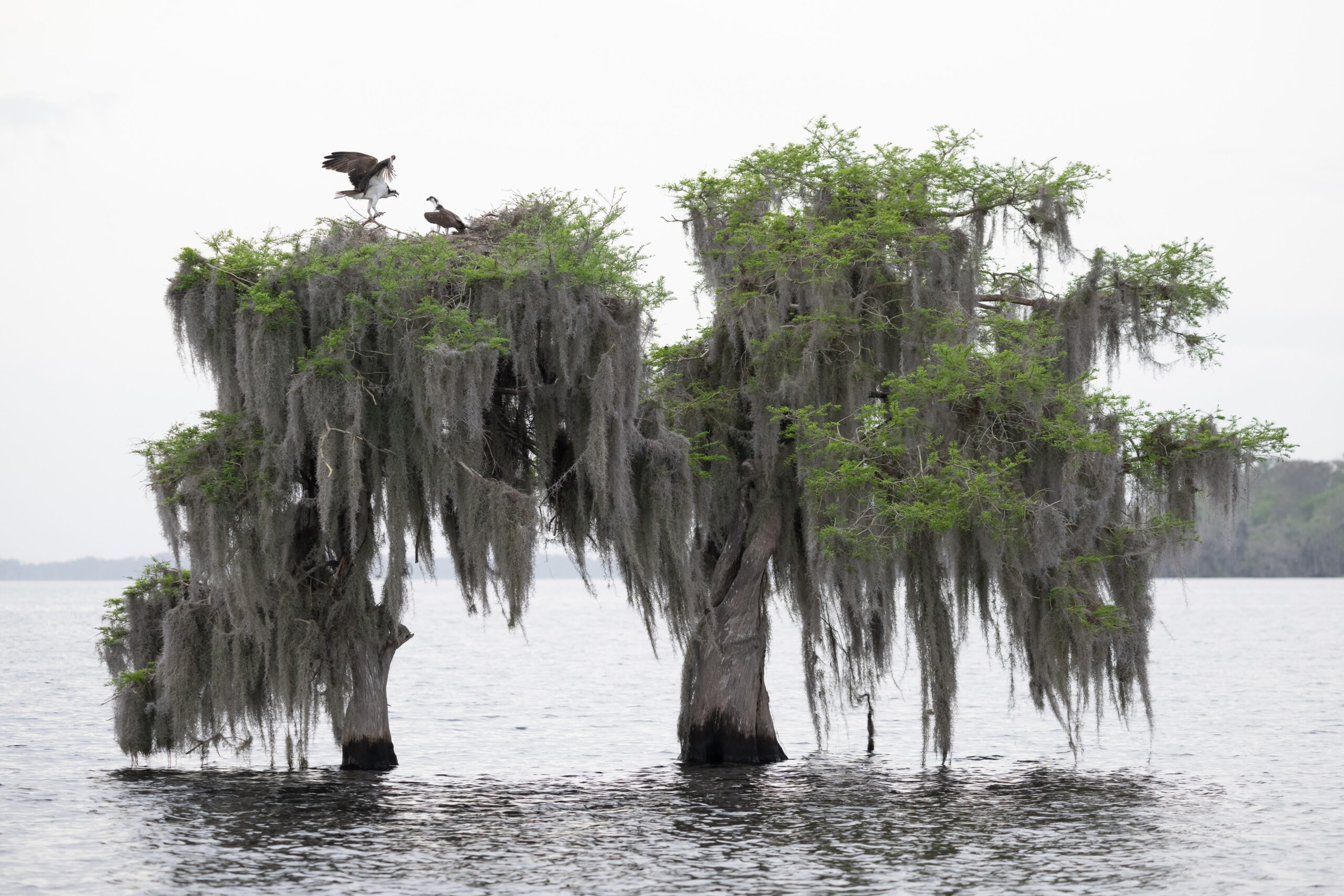
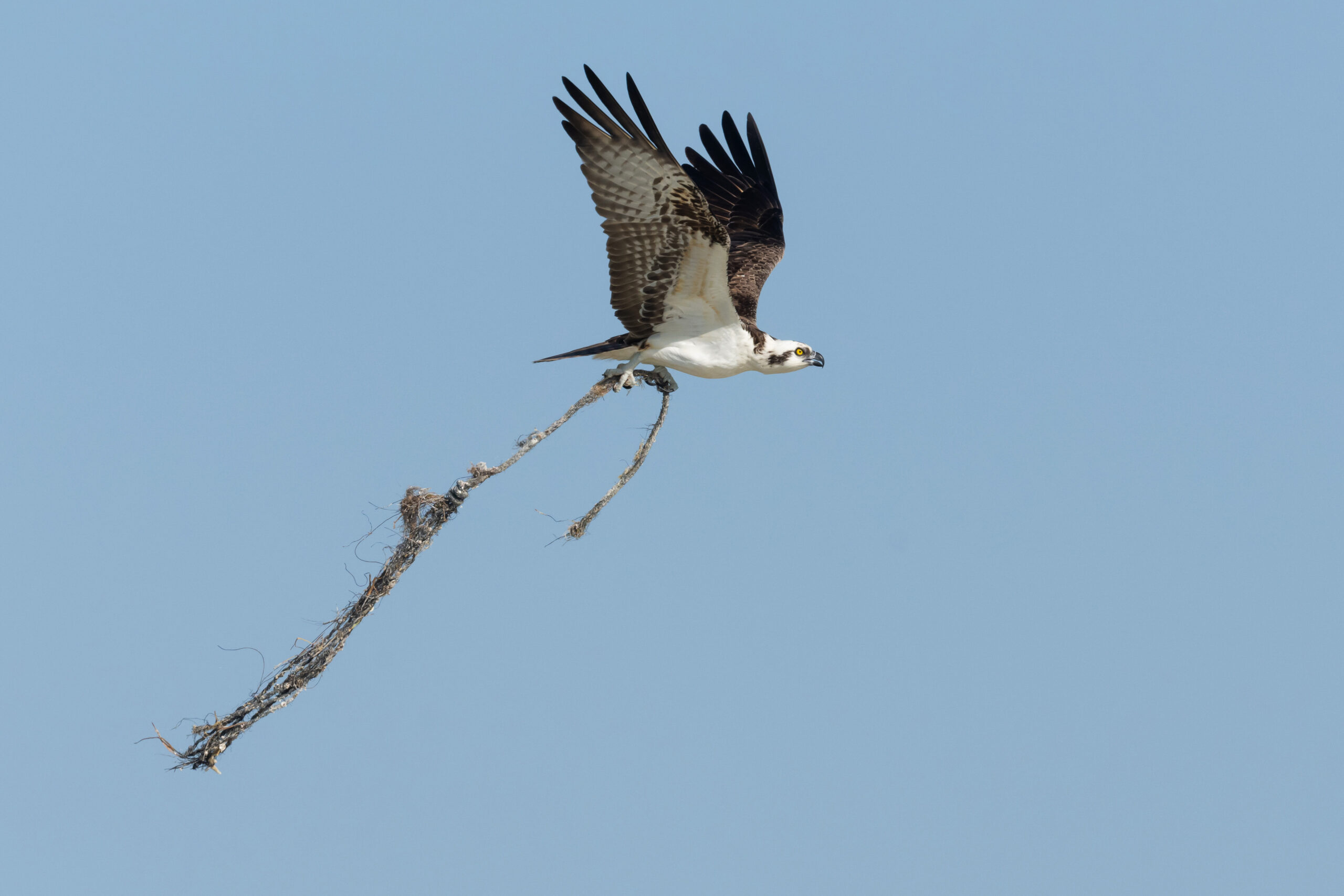
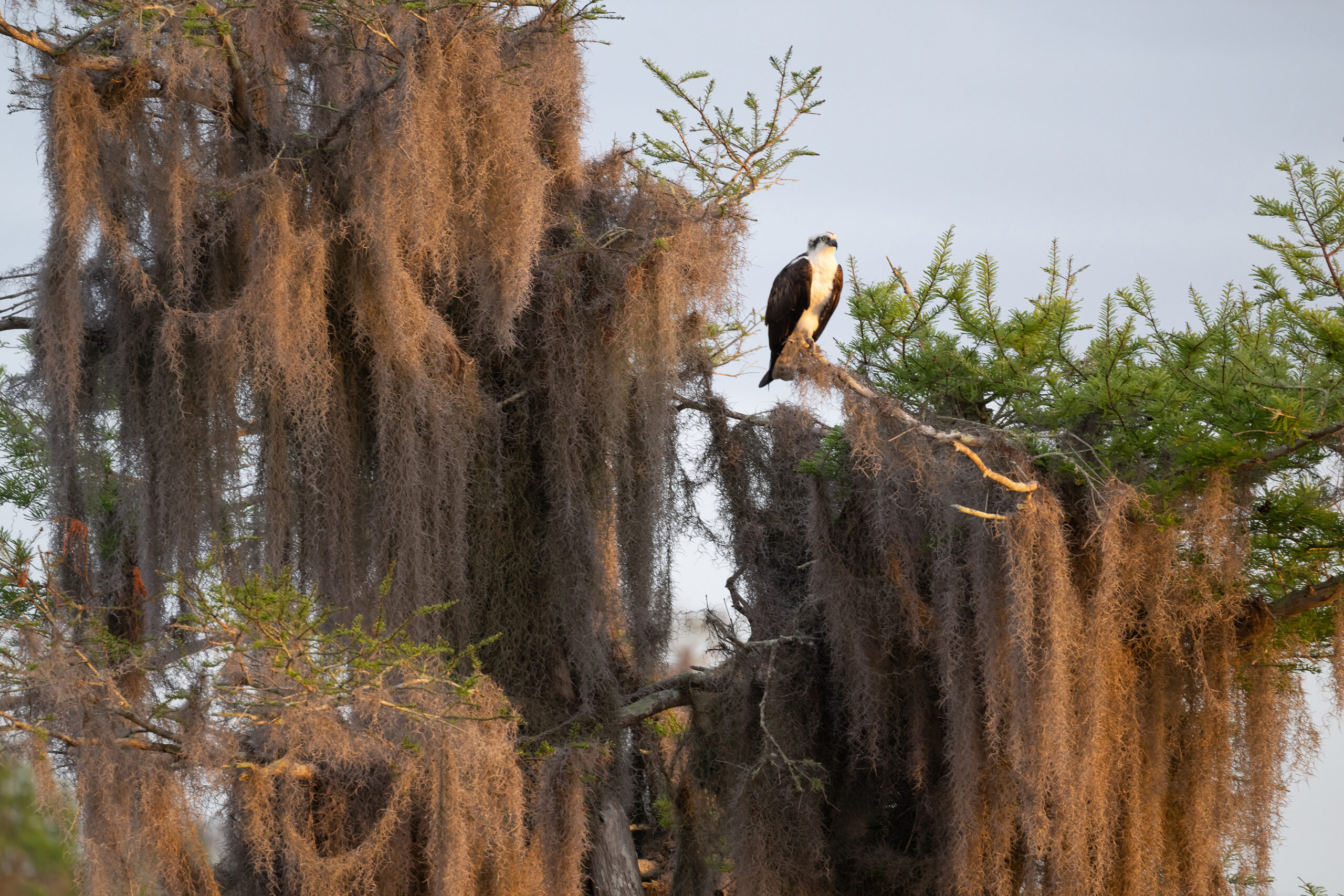
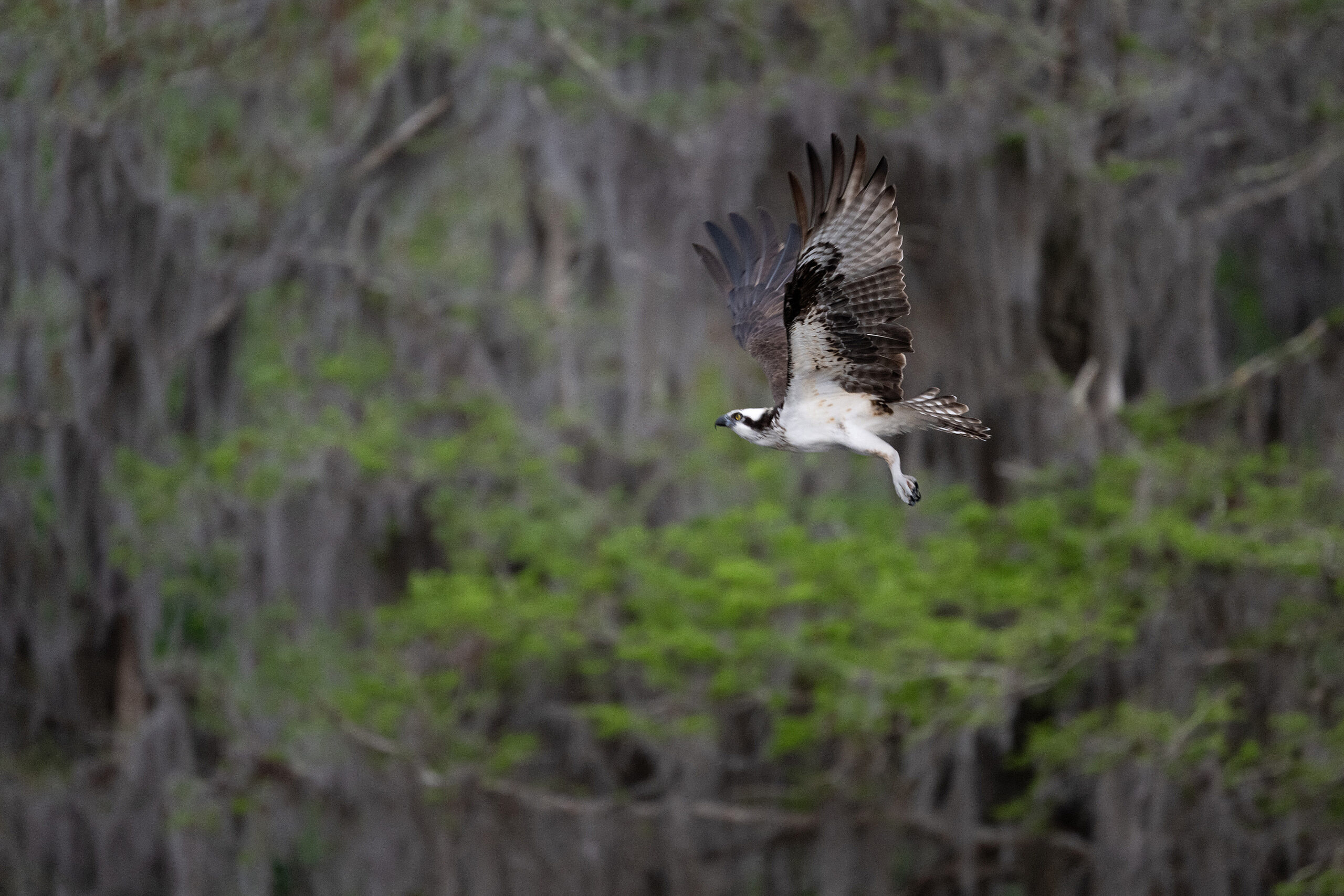

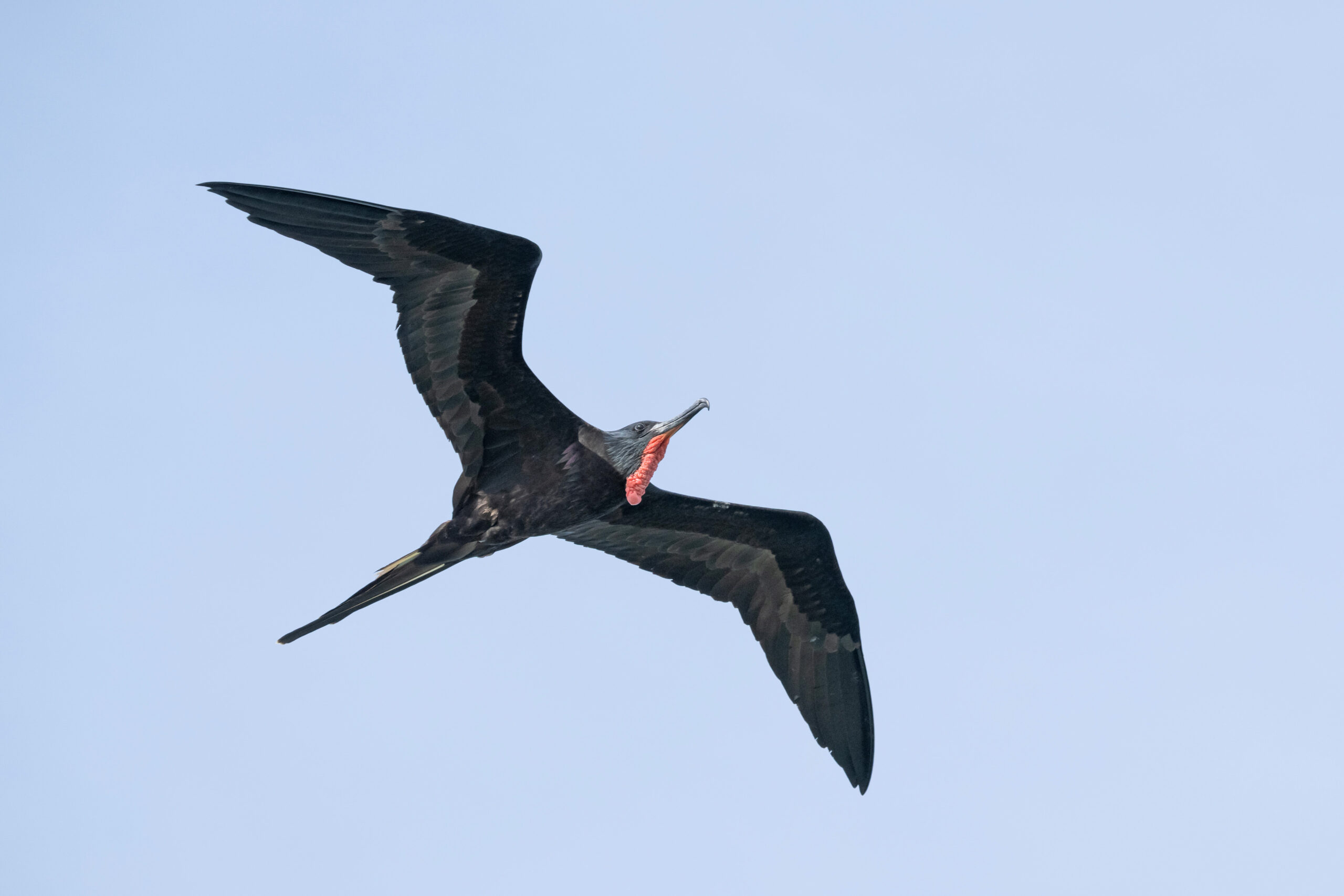
Later on we were to see yet more ospreys diving for fish on one of the adjacent barrier islands, accompanied by the inevitable brown pelicans and a few magnificent frigatebirds – pirates of the sea, not unlike skuas in their behaviour, but rather more elegant.
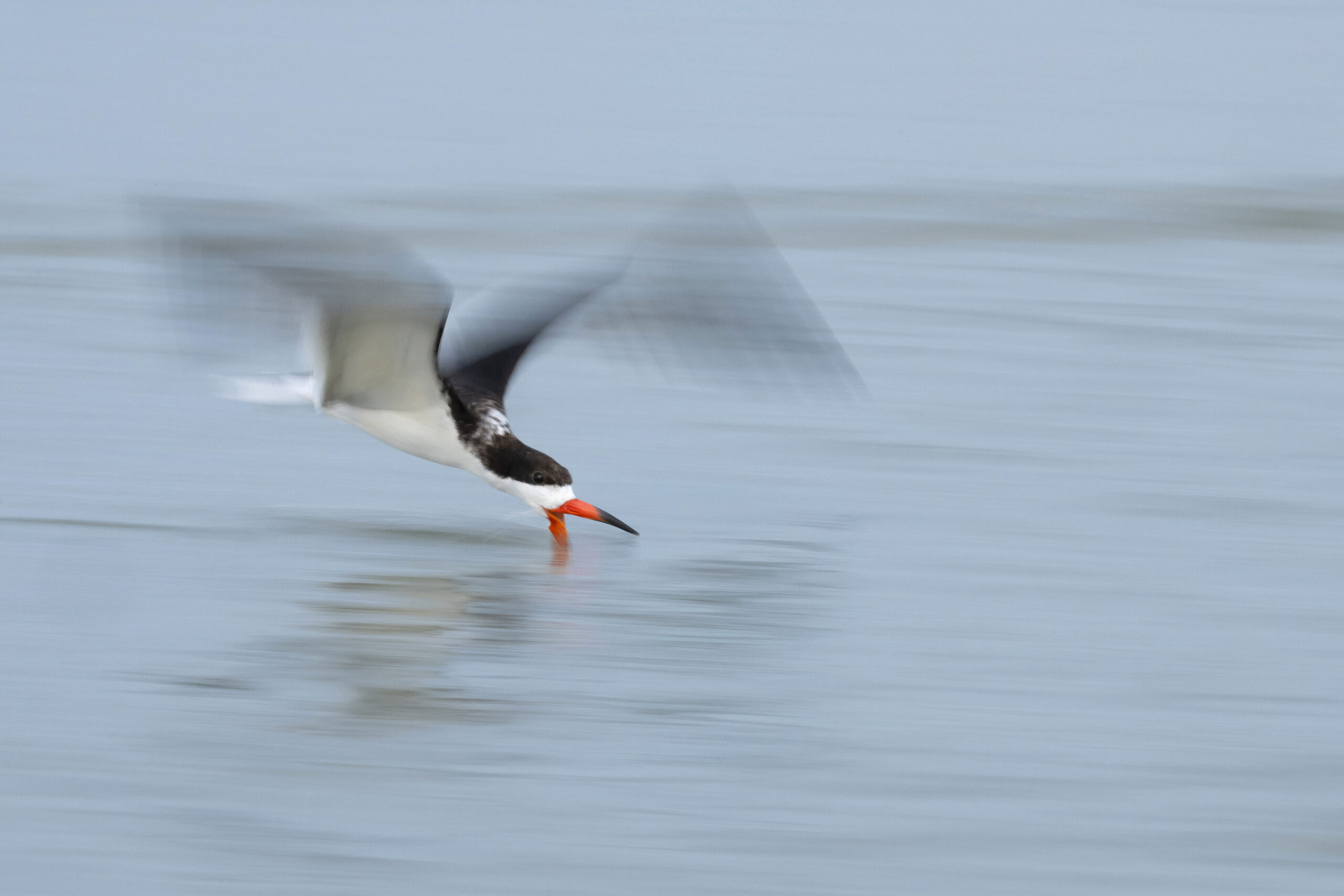
Towards sunset, they were also joined by a flock of black skimmers, as they foraged for small fish and shrimps with their elongated lower mandibles barely penetrating the water surface. Their flights were quite steady and their heads held relatively still, so this gave us good opportunities for some more adventurous flight shots, using slower shutter speeds to generate intentional motional blur – for which you need a good tripod head and a smooth panning technique, and the realisation that your success rate will still be quite low! For me, this was one of the highlights of the trip, and I could have happily repeated over a few more evenings.


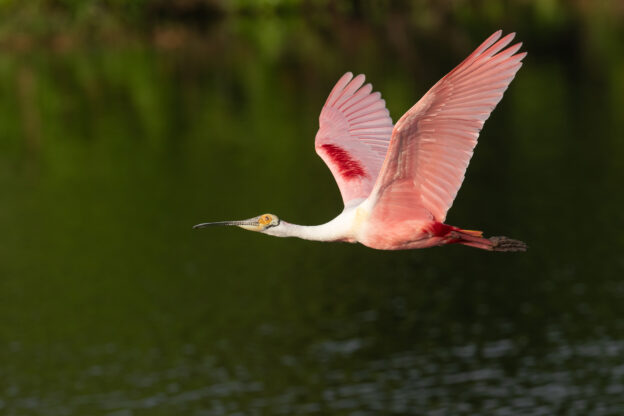
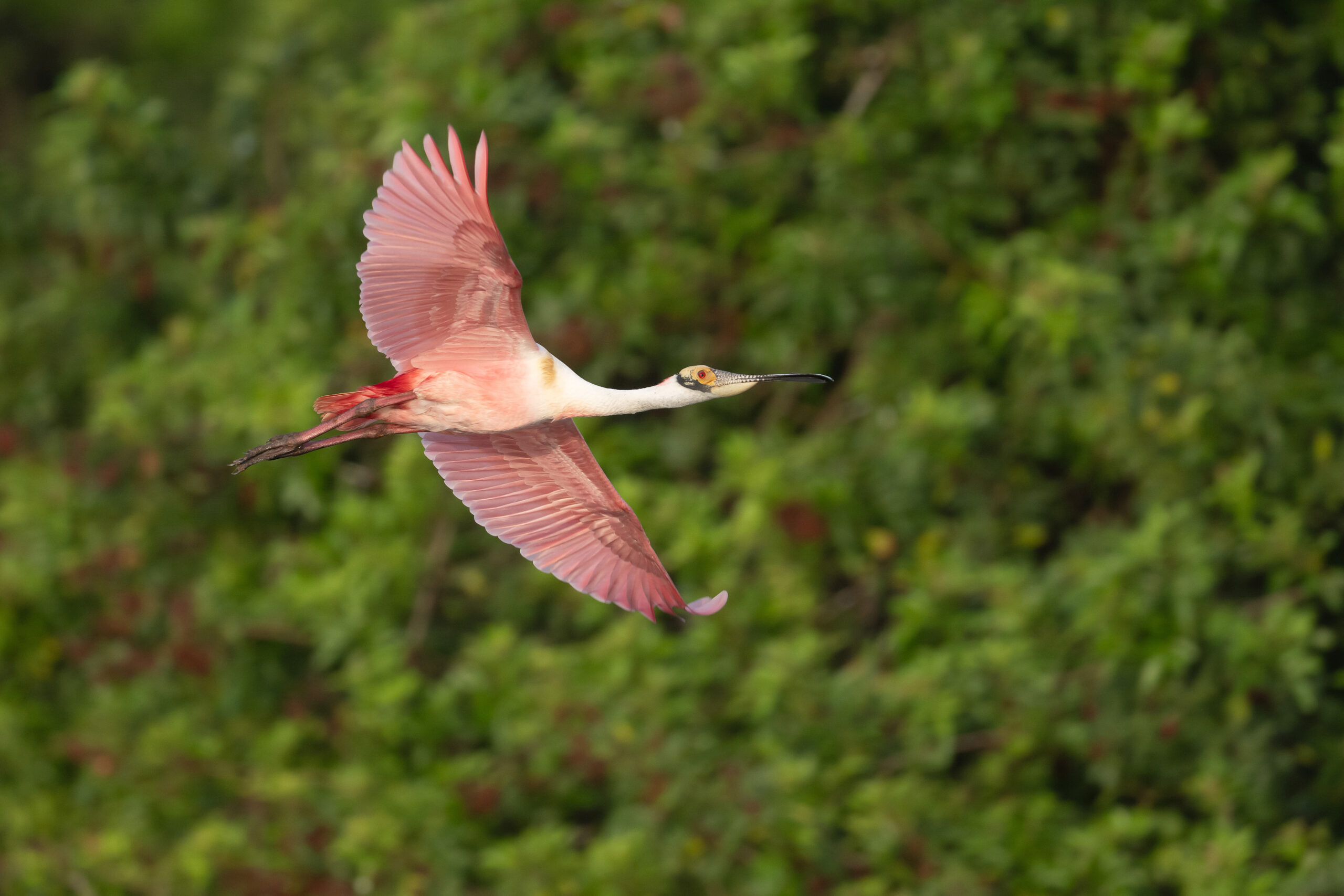
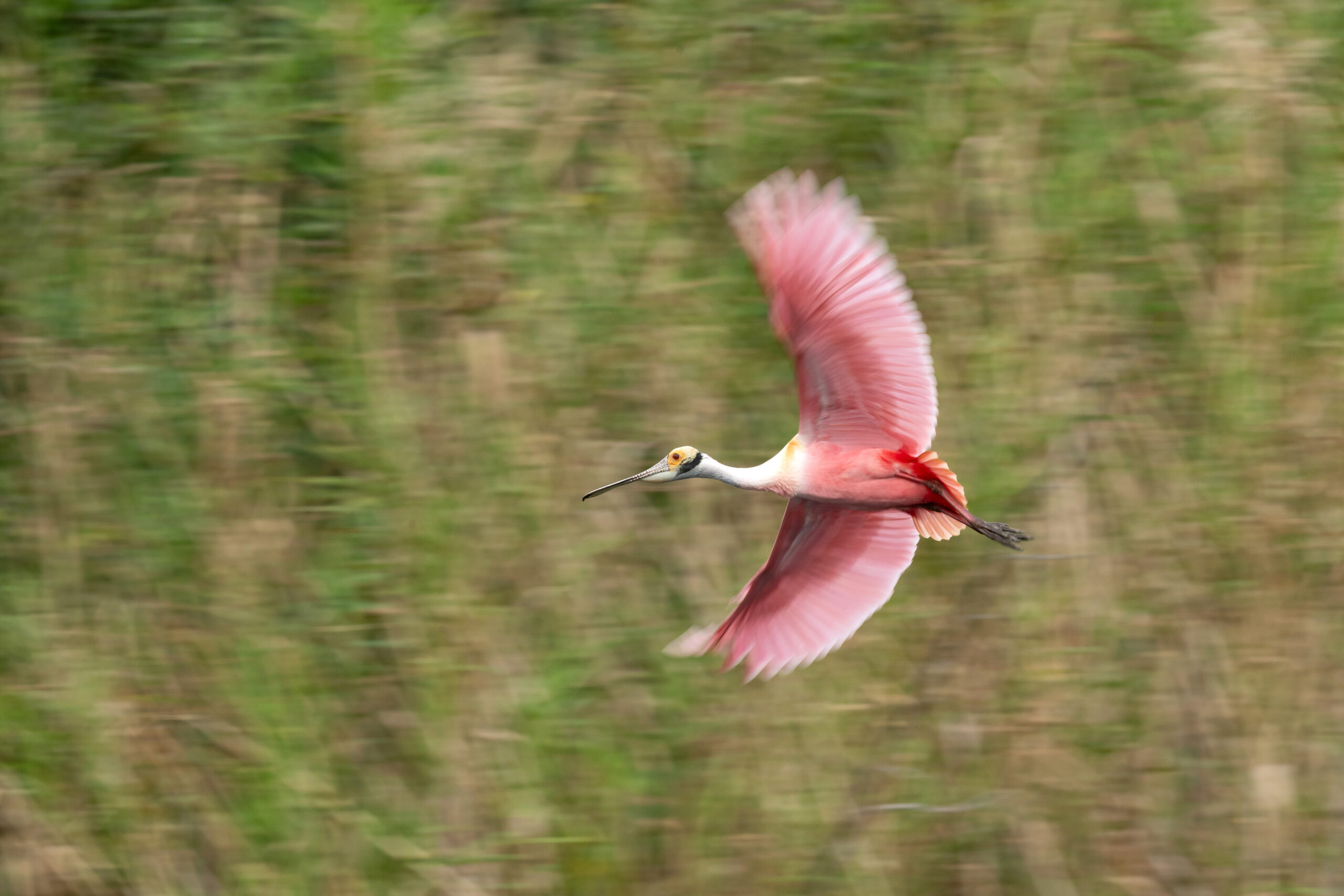
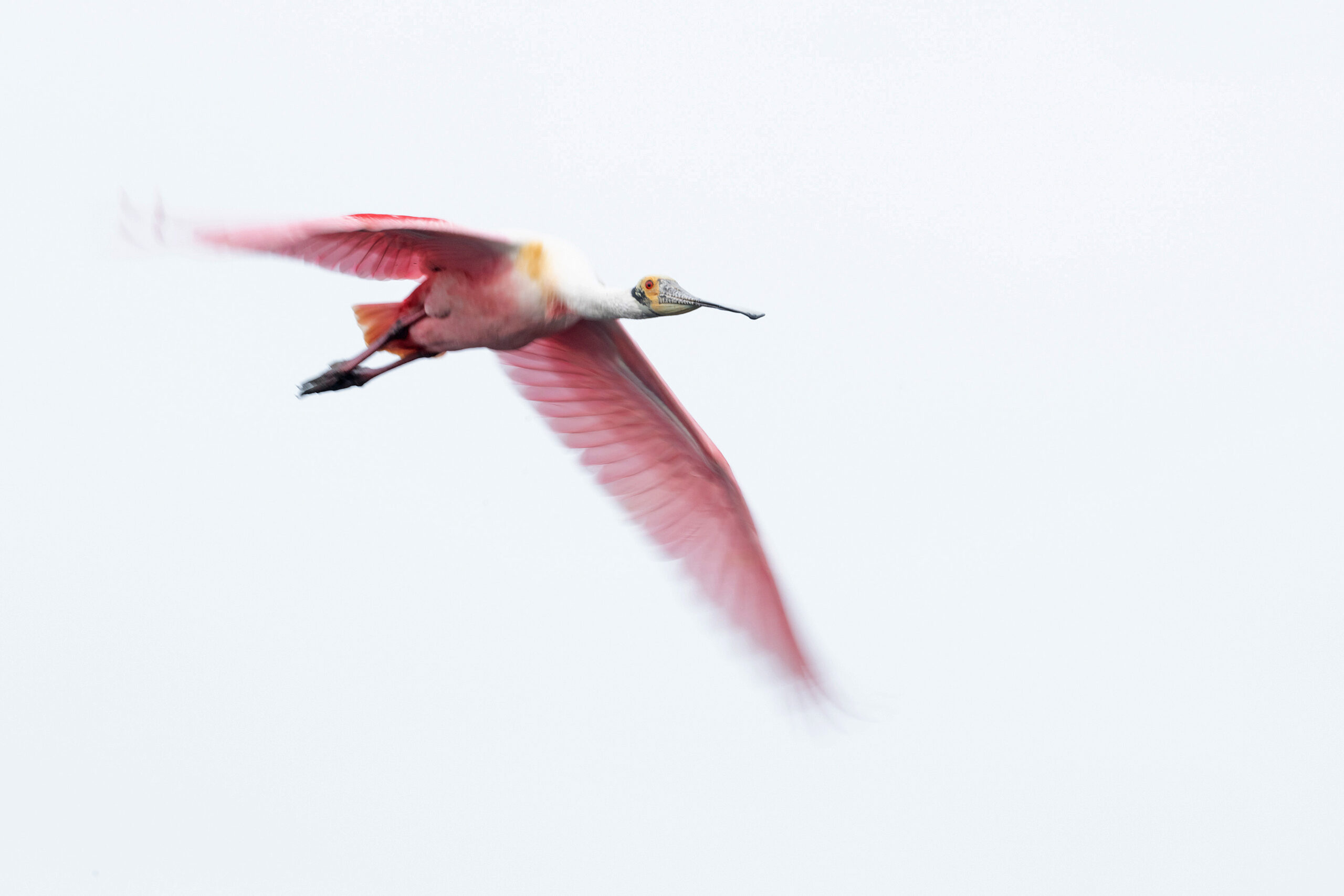
Our last morning found us at a rookery of roseate spoonbills, where the birds were busy nest-building on a low, wooded island. This was a worthy climax to a wonderful tour, with the bright pink plumage of these exotic spoonbills contrasting beautifully with the dark green foliage and shady water, and another chance to try some motion blur flight shots.

As we drove off back towards Tampa and our return flight, we saw a male snail kite hunting over the marshes, as if to remind us there was unfinished business and we shouldn’t expect everything to be handed to us on a plate. Nevertheless, between us we had managed to photograph no fewer than 70 species of birds during this week, and that included some very memorable moments and quite unique photo opportunities.
Chris
Back to news index
2 thoughts on “Florida’s Spring Birds”
Please address the areas highlighted below
Such magic as always Chris. How lovely to share them. Thank you.
Thank you Diana.