
In search of black gold…
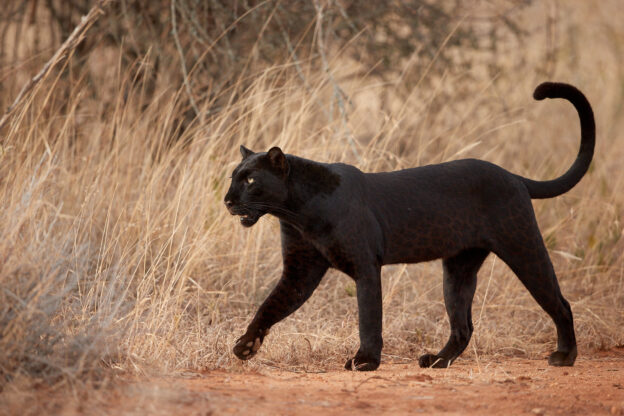
Mark shares some images and thoughts on returning to Laikipia in North Kenya for the first time since the pandemic and in the hope of encounters with it’s now famous black leopard Giza.
 As the tentacles of the pandemic spread around the world in the early months of 2020 I was running a trip for Natures Images in Kenya as it shut it’s borders, just making it home a matter of days before we went into lockdown for the first time here in the UK. More specifically we were in Laikipia enjoying the wild, dusty habitat it consists of and specifically the pack of wild dogs that the area is blessed with. As I soaked up what I knew instinctively would be my last visit to Kenya for a while (as it proved it was almost 2 years before I could return) the discussions also turned to the first images of a black leopard in the vicinity which had been published just a few months previously (some excellent night time camera trap work by Will Burrard-Lucas to be exact) and I was full of hope that the melanistic gene might continue to be found in the local population when I could return again.
This proved to be correct and over the course of 2022 and 2023 as the world slowly began to return to Africa, the arrival of a young female who had been born the previous year leaked out and suddenly Laikipia was THE place to go in order to get a sight of her. Additional accommodation facilities popped up and this normally reasonably tranquil corner of the country was on everyone’s must visit list.
Initial images were almost exclusively nocturnal in their nature as Giza as she had been named – it means darkness in Swahili – became increasingly comfortable with the infra red spotlight but occasionally daytime images too as, like all leopards, the crepuscular hours before and after dark are also when her day would begin and end generally.
I watched with interest (and a hint of jealousy too if I’m totally honest) as Laikipia had been on our trip destination list for a number of years but had always been a bit under the radar and as a bit of a cat obsessive too the idea of spending some quality time with as rare and stunning an individual as it was clear Giza was really appealed to me. In late March this year part of the first Natures Images trip back involved 4 nights there, and the opportunity finally came and it did not disappoint.

 It begun almost on arrival as on our very first evening she made an appearance. It was already too dark for even high ISO images and so these nocturnal spotlight shots were the order of the day. I’ll be honest these aren’t my personal favourite style of images generally and they definitely need converting to monochrome to make them even half work for me but simply to see her was thrill enough especially as she literally walked directly under the stationary vehicle I was in too! The latter image above also really shows her rosettes though in a way that daytime shots don’t quite so they certainly add to the portfolio.

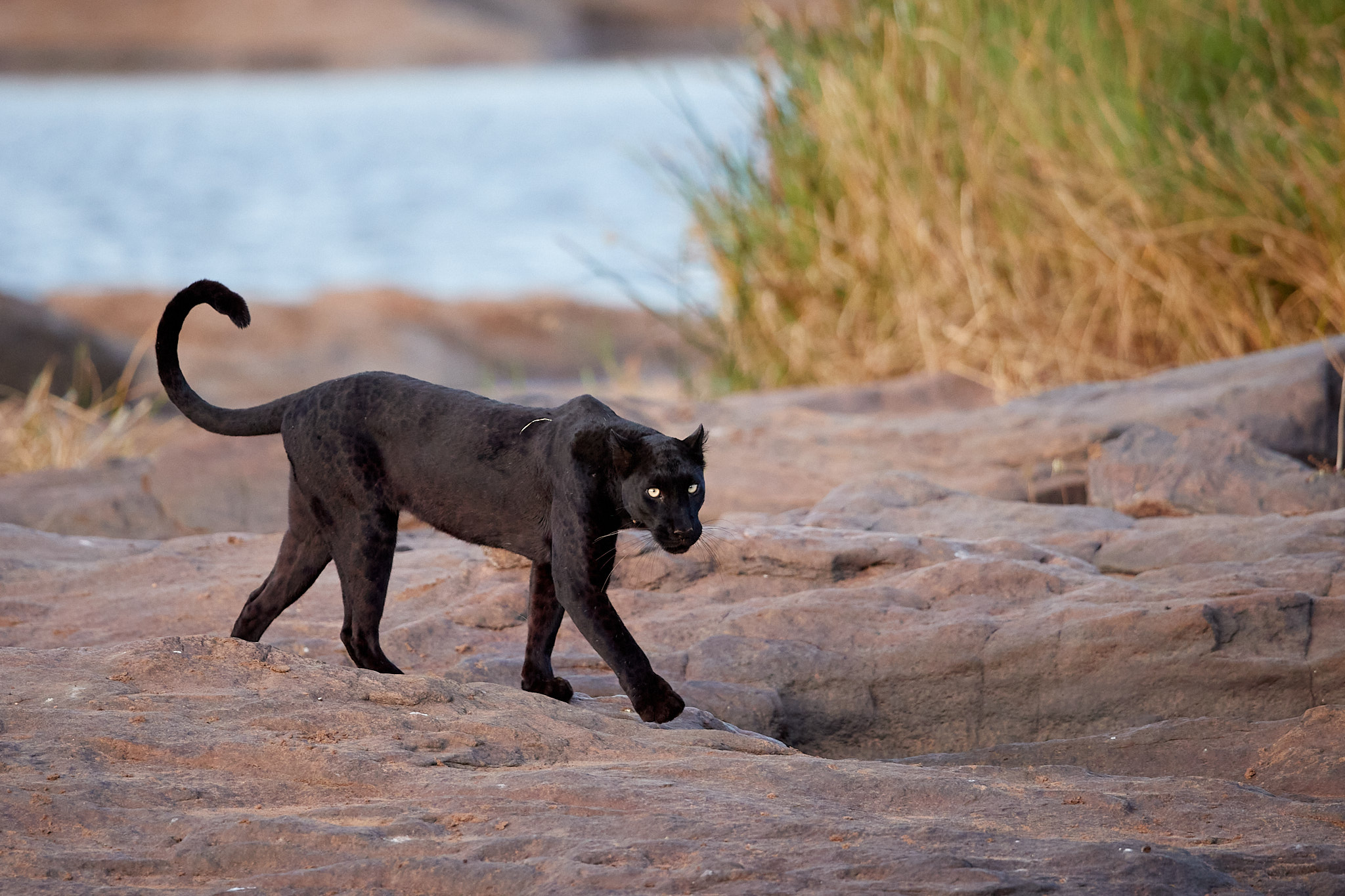 Over the course of the next 3 days we enjoyed two more exceptional encounters with her in the early evening and early morning respectively, both of which were centred around the riverfront as she seems to have a pattern of movement that involves sleeping on one side of it and then crossing to hunt at night on the other side of it and if you can follow her and predict where she is going to cross (which thanks to a spotter on a nearby hill we were able to do) then it opens up some excellent image opportunities.

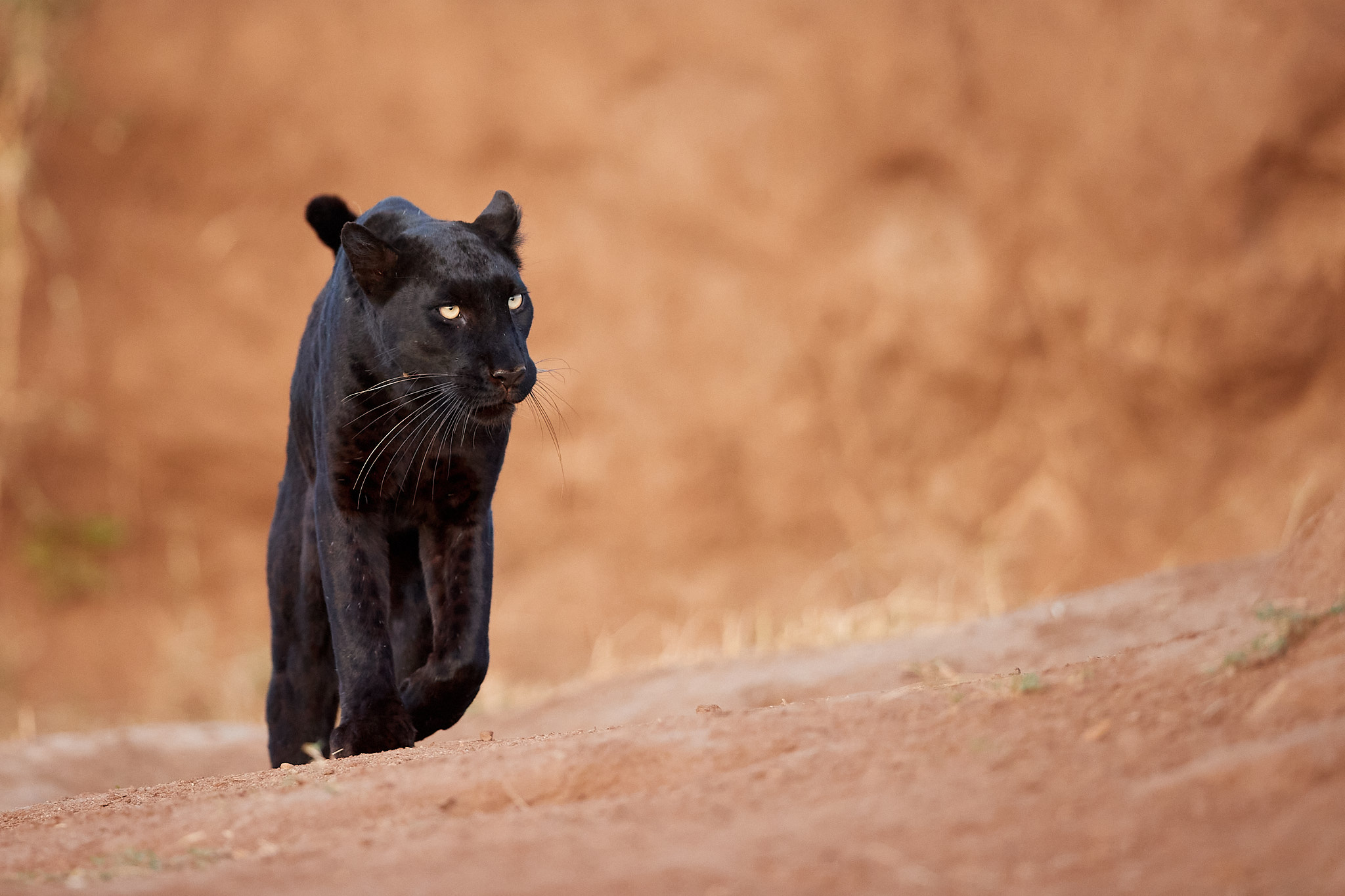
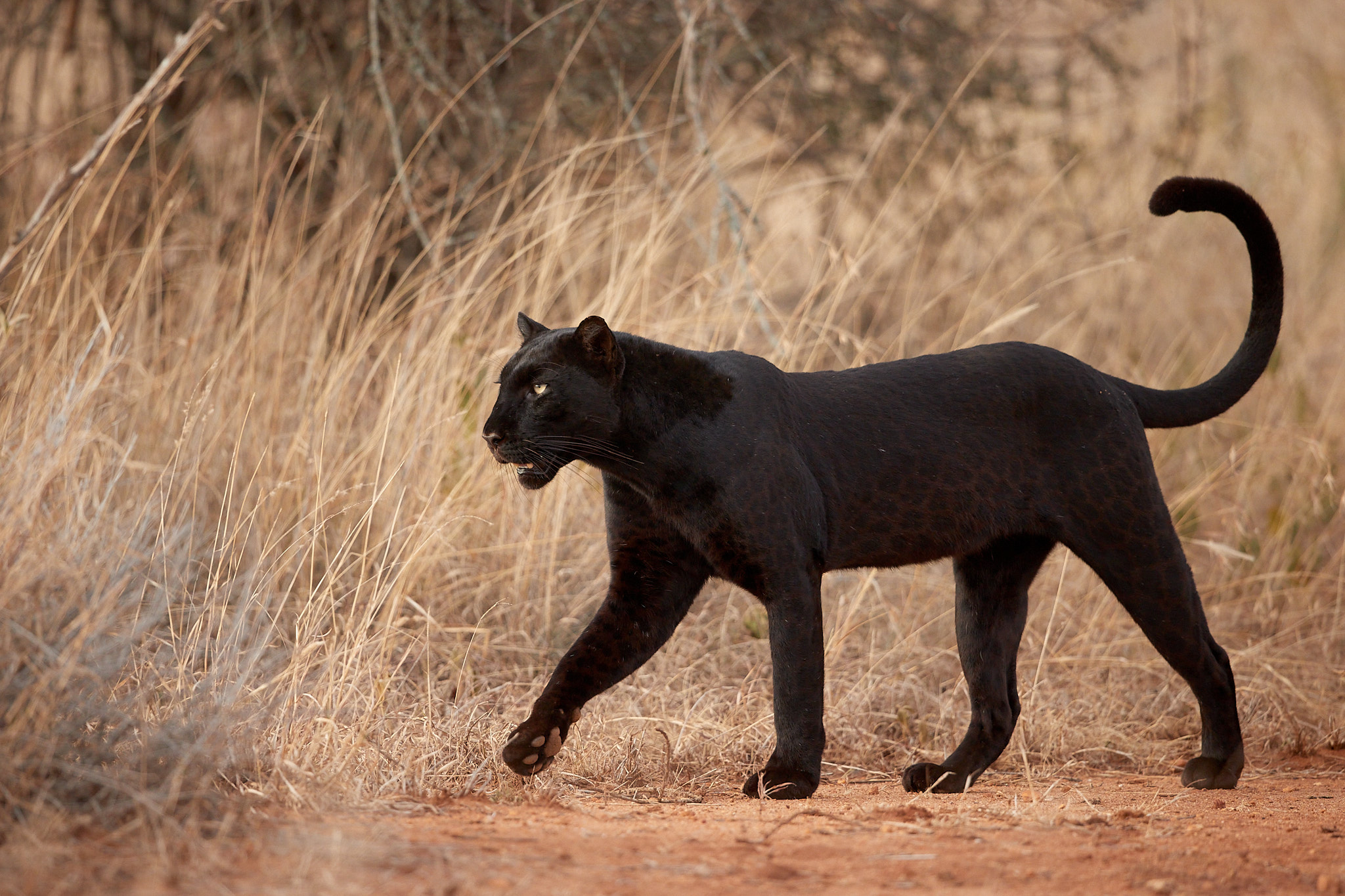
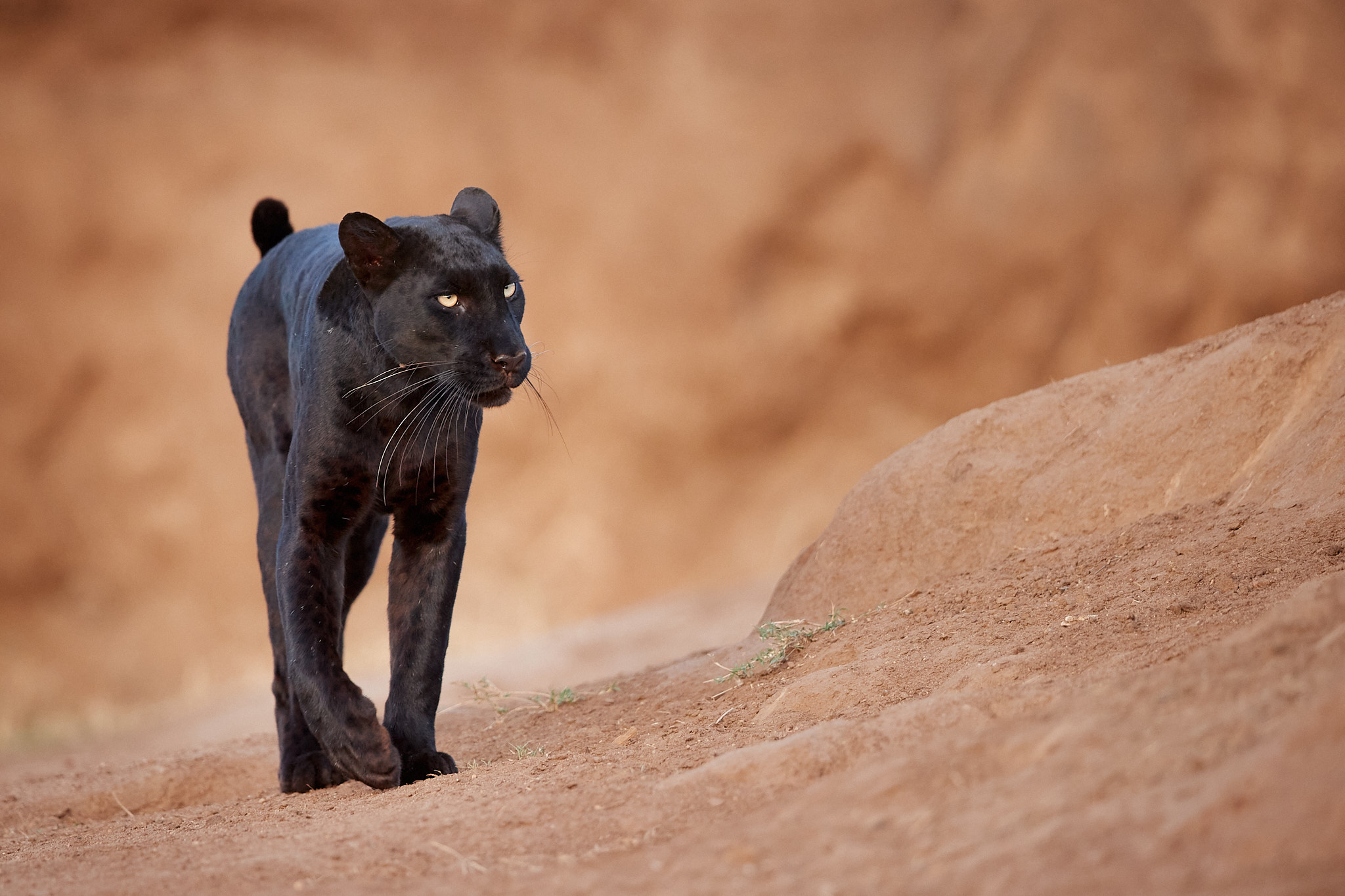 As this particular evening darkened and we reverted to spotlight photography again, it was intriguing to ponder on the challenges and advantages of her black coat. In the daylight she was particularly easy to spot in the dry browns and greens of the Laikipia environment: in comparison to her normally camouflaged relatives she stuck out like a sore thumb so was clearly at a disadvantage in terms of hunting opportunities unless her hiding was of the highest order. In the dark though, although the night is all embracing here anyway, she blended even that bit more into the habitat and given that is prime hunting time she was at the very least no worse off than otherwise.
When we came across her the following morning this was particularly evident as a thought process as she really struggled to blend in as the light got better and better.
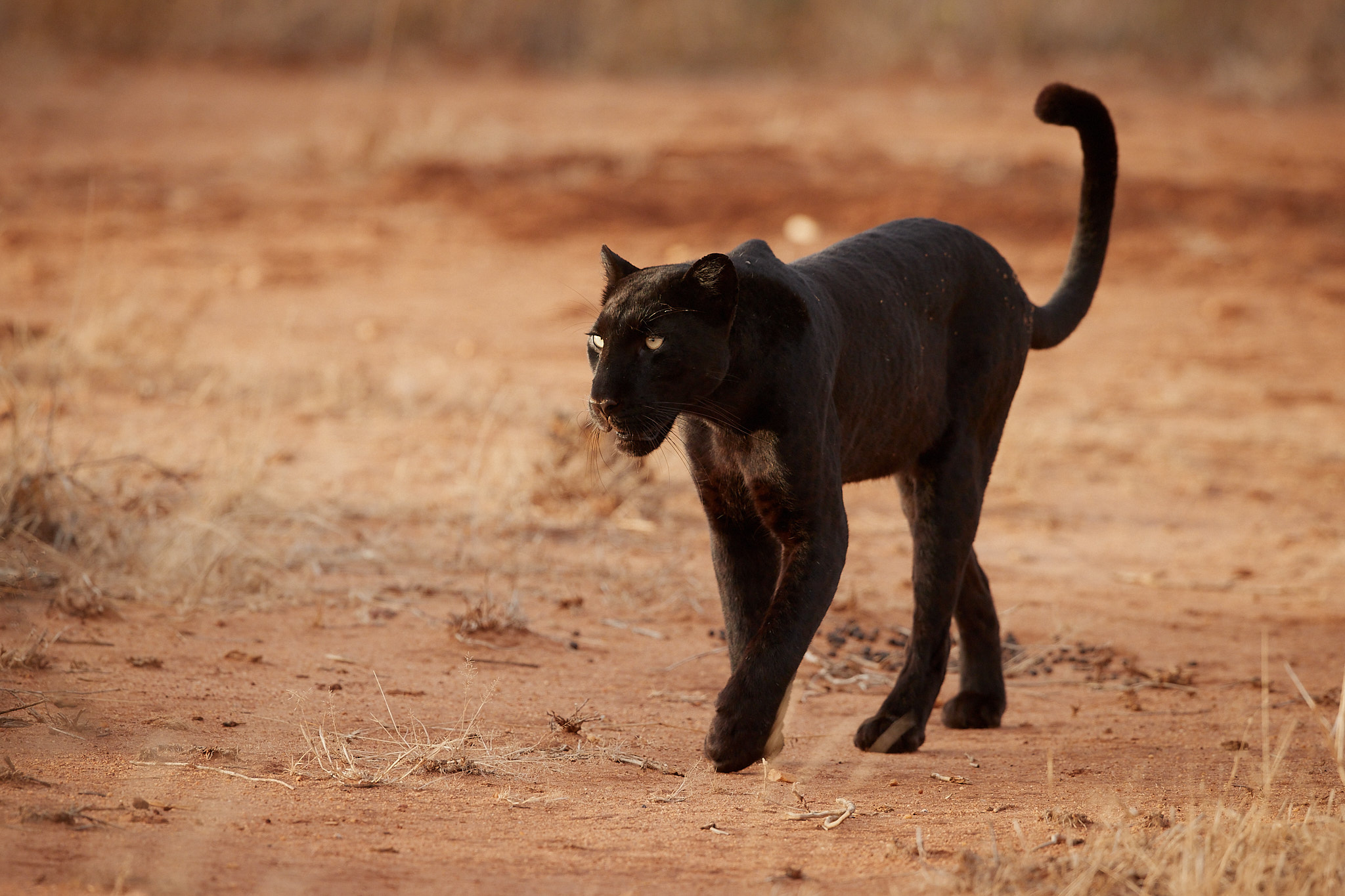
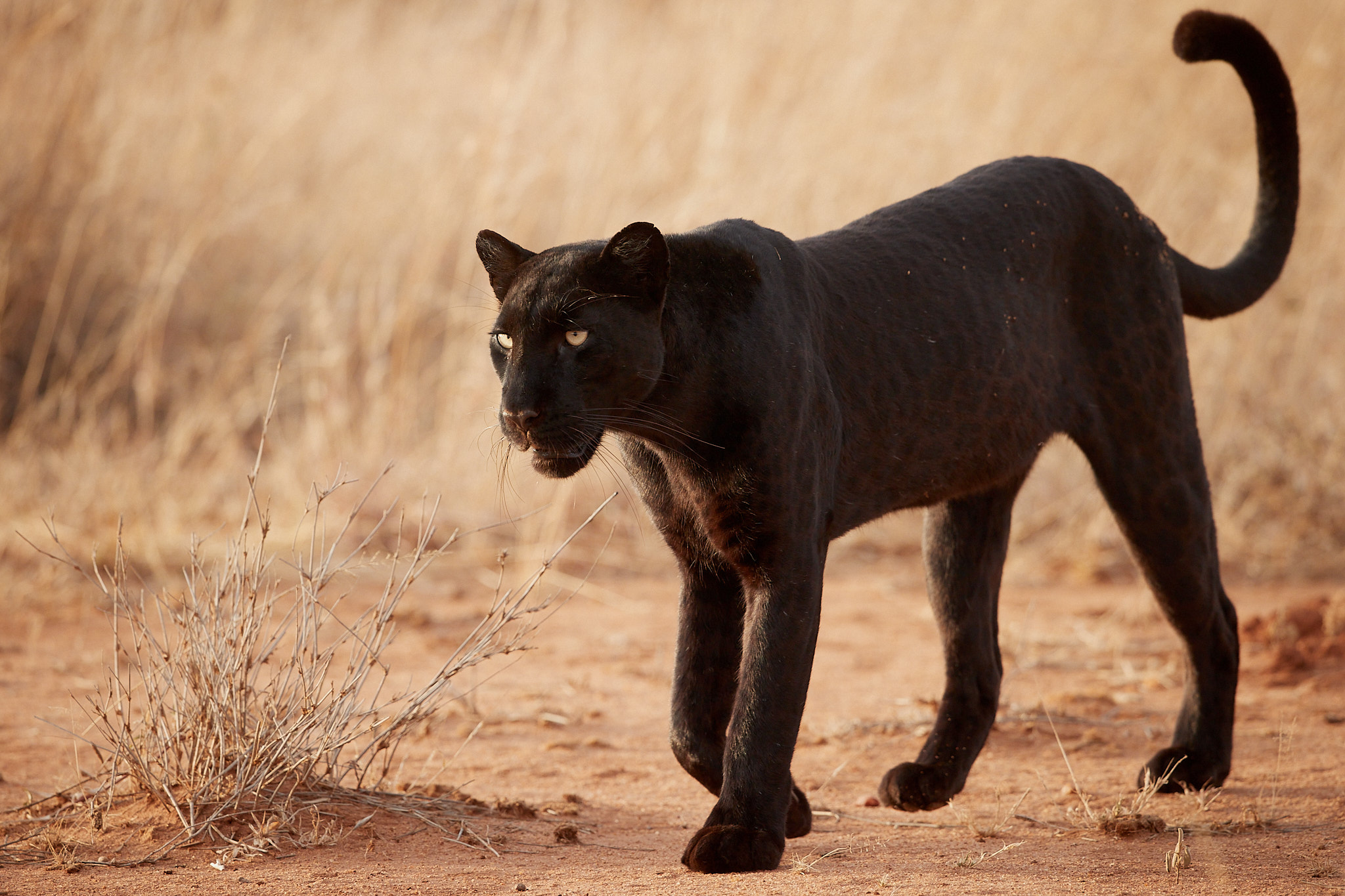
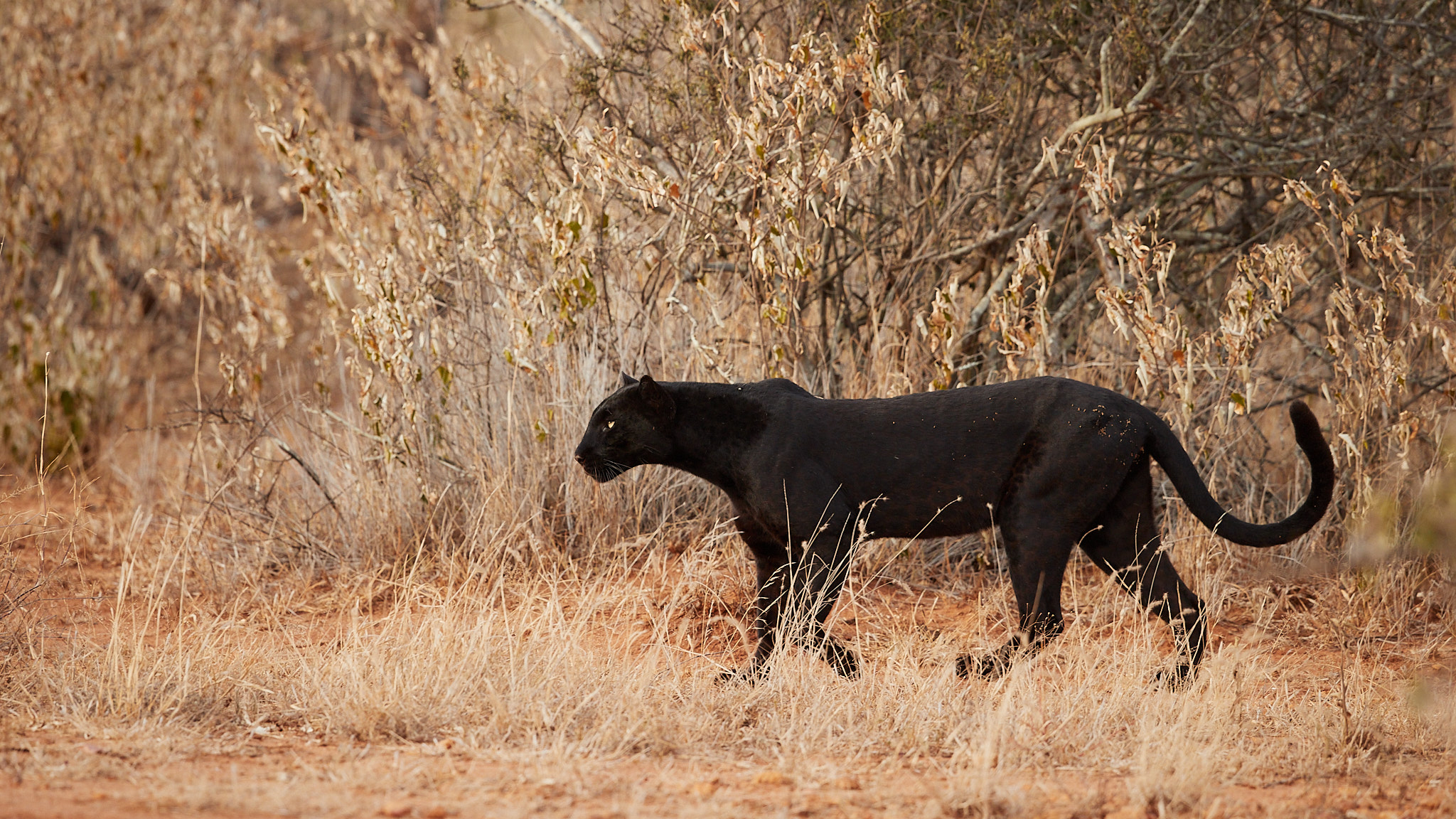 She seemed to me though to have quite a high awareness of this mind and when it came time to have a bit of a roll in a slight hollow (something my cats would have done at that point too) then she did so with no attempt at camouflaging herself.
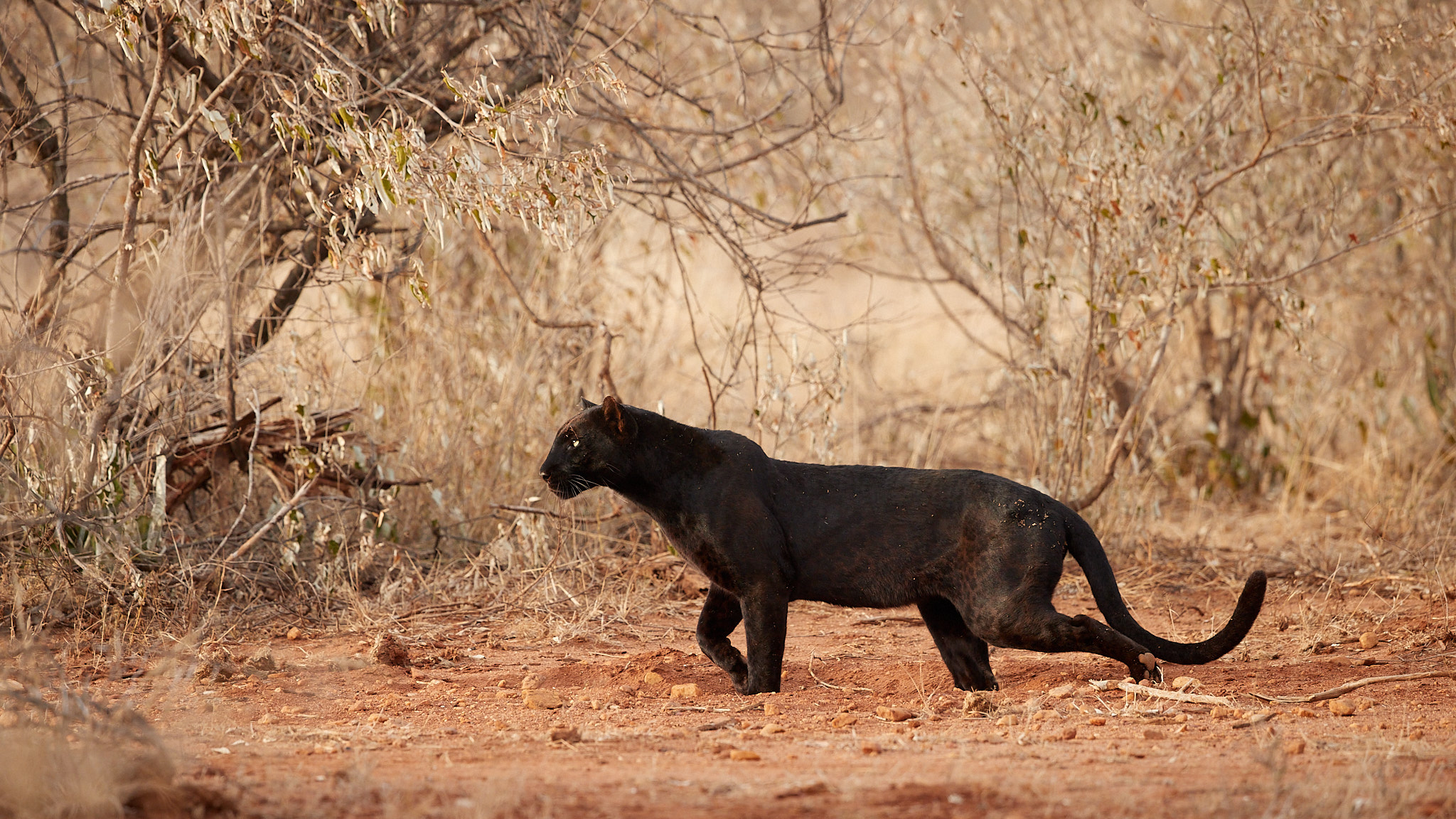
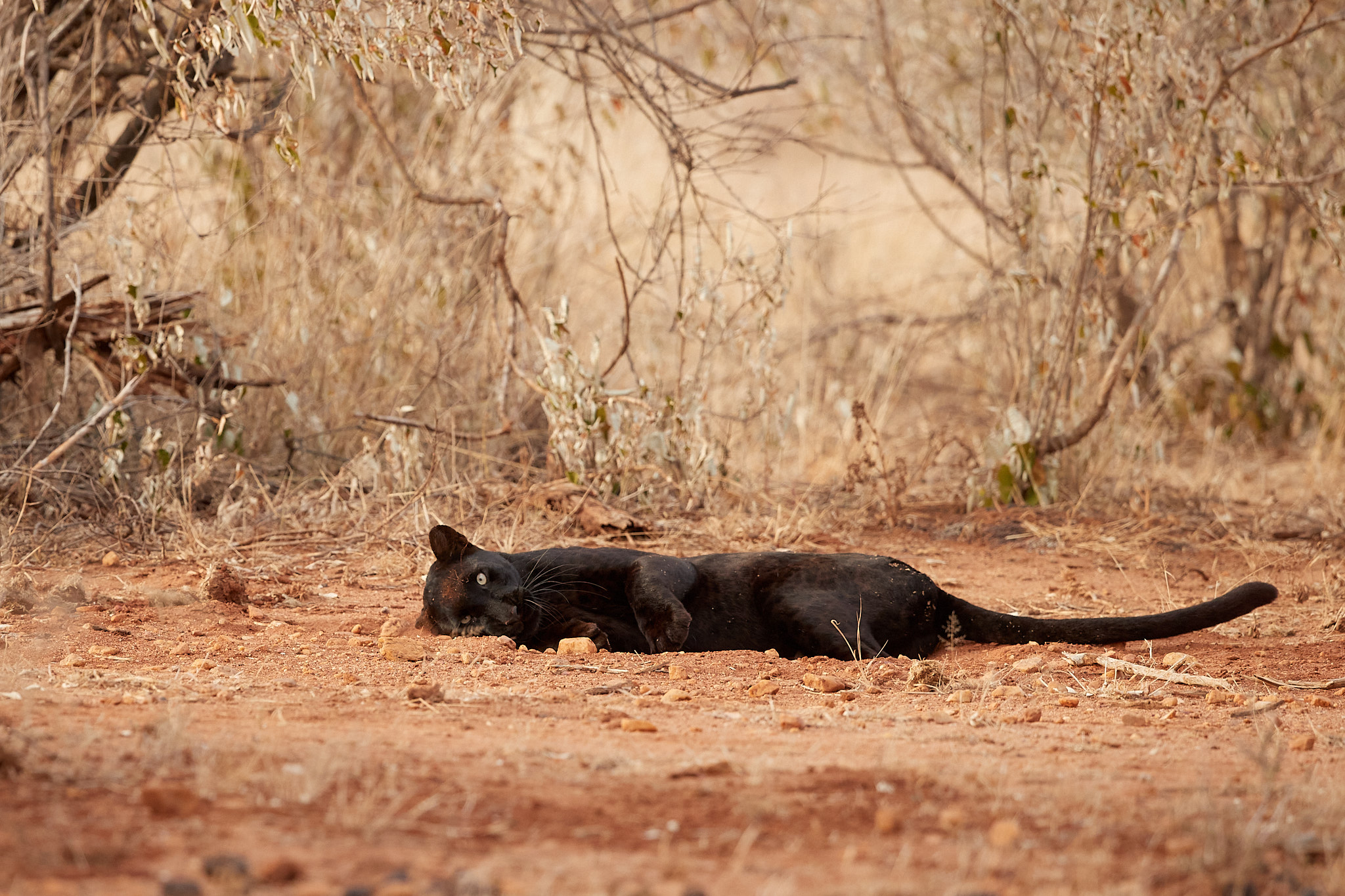
 The slightly cheeky look in her eye as she rolled was a reminder of the fact that at 3 years old she is still a youngster.
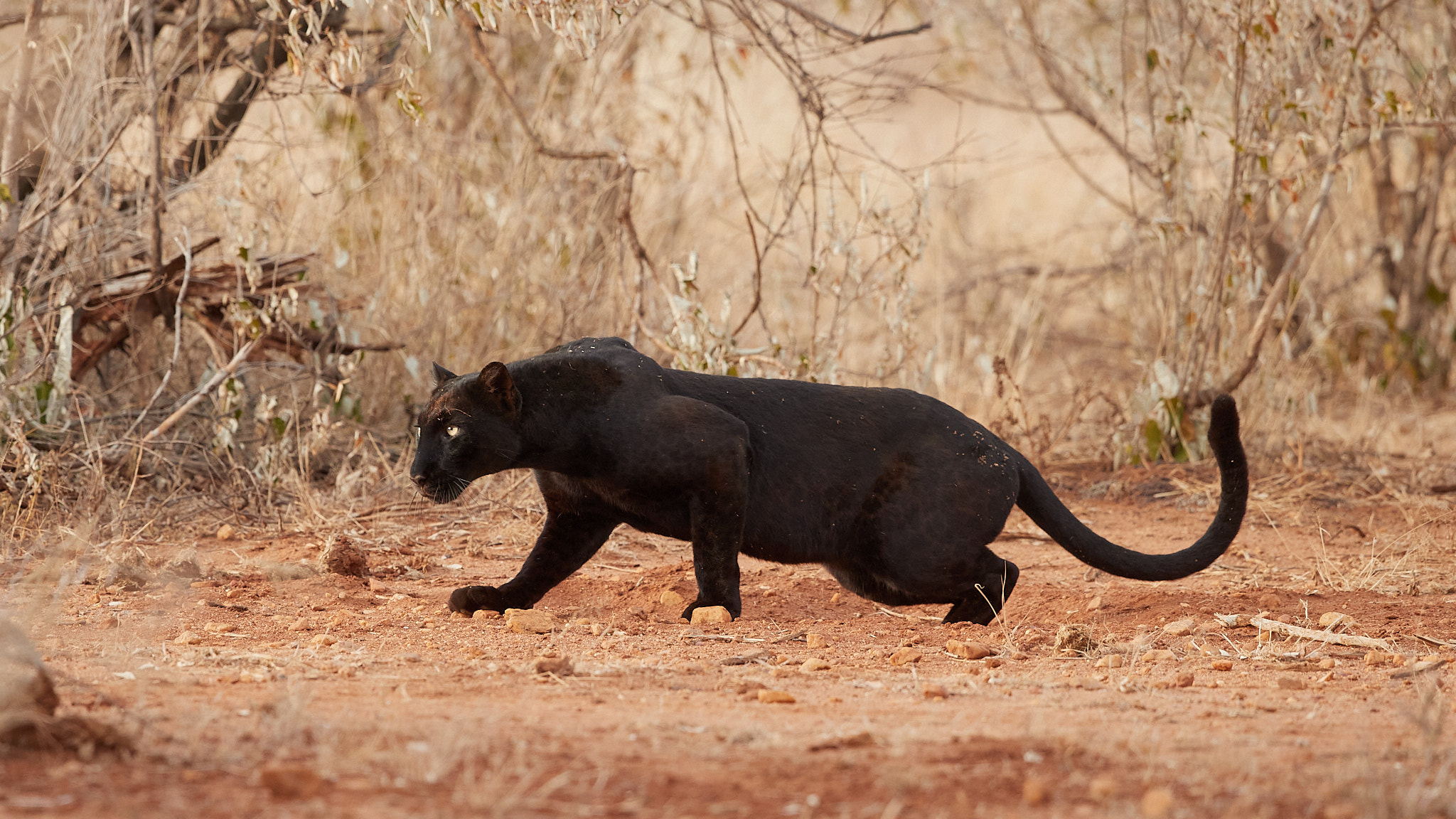
The next 20 minutes or so was spent watching her hide in the scrub as some vulturine guineafowl passed by in the hope that they might present an opportunity: it didn’t materialise for her but threw up another habitat to photograph her in altogether and one that I thought worked particularly well in monochrome too.
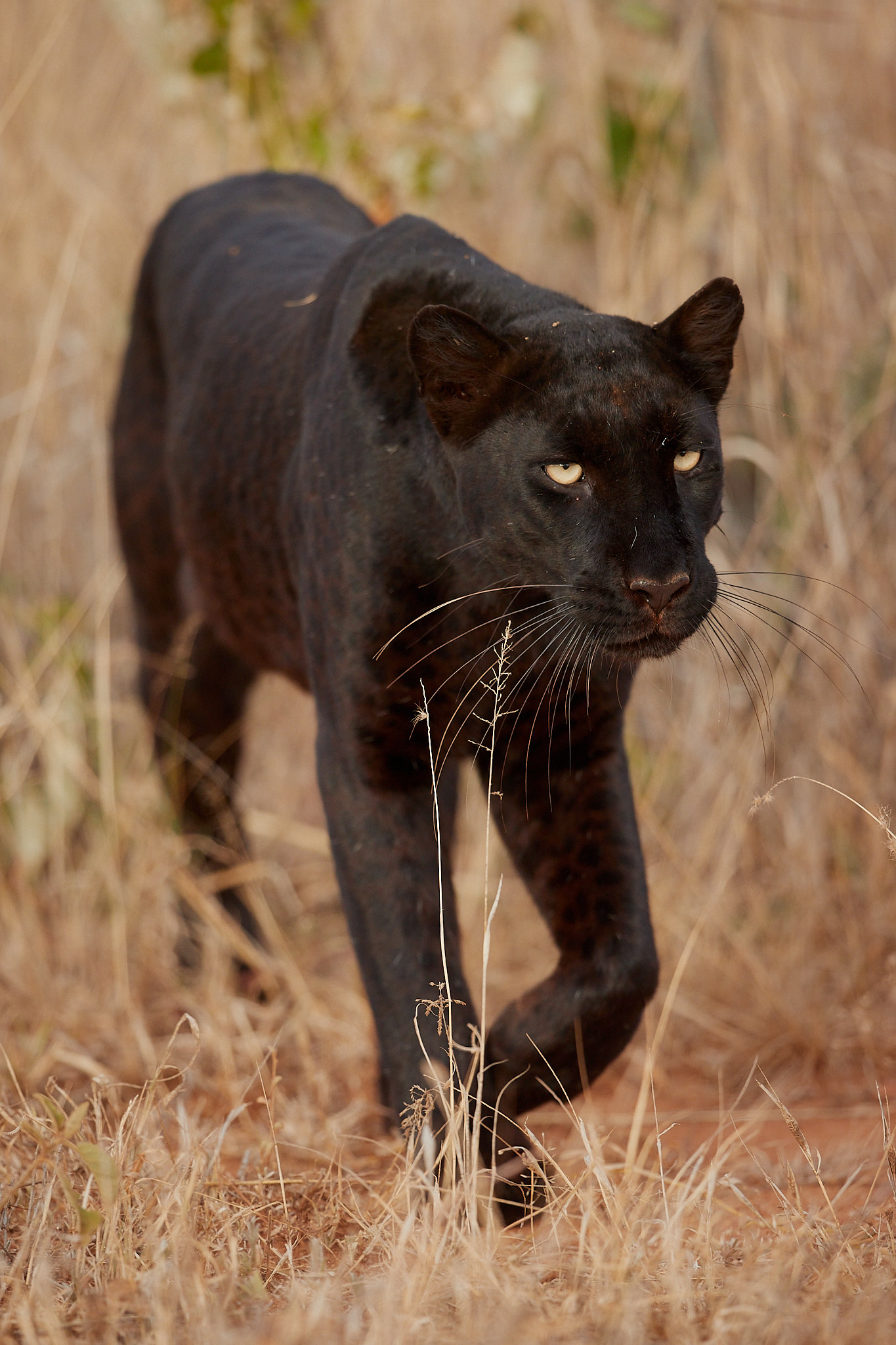


All that waiting, watching and hoping when it came to seeing this marvellous cat had been worth it and although it was just a short visit to her territory she really treated us all with her presence. I’ve been blessed to have spent time with many rare and threatened species over the course of my career but I suspect the numbers of melanistic leopards on the planet as a whole is close to single figures and that puts all of these images and experiences into their proper context. Laikipia has long been one of the elements of north Kenya trips for us and I’ll be guiding there again in late March next year and am already excited at the prospect of it! It’s in the early stages of planning for 2026 so if you’re interested do just drop us an email and we’ll give you more details.
Back to news index
4 thoughts on “In search of black gold…”
Please address the areas highlighted below
Beautiful images and very enticing- how regularly are the wild dogs seen in this area and what ,in addition hopefully to Giza, other wildlife generally is possible in this area?
Thanks David. The dogs are very much in the Laikipia area all the time but as you’ll appreciate have such huge territories that means they can often disappear from where we are able to cover for several days. We try to coincide our trips with their usual denning season which helps as they have a common point to return to and from daily and the alpha female is collared so we can keep as best tabs on them as reasonably possible. No guarantees but as good a chance as any and with our trip here also twinned with Lewa Conservancy for half the time there’s plenty of other wildlife in the overall mix including northern Kenya specialities (reticulated giraffe, gerenuk, grevys zebra etc) as well as both rhino species and the big cats and elephants too.
I remember that trip very well. Sitting in camp at Laikipia in the evening wondering why everyone was going mad back home buying up trolly loads of toilet rolls 😀
Hi Ian – the good old impending pandemic days eh!! It’s nice to be able to return and the bonus of Giza is an exactly that now too. Trust all is well…