


Stepping into spring in Spain…

Our experienced and well known guide Chris Gomersall shares his thoughts, images and some pointers to hide photography etiquette as well in this reflection of our regular Spanish Spring Birds trip.
 I have now led two Natures Images spring tours to Spain – or more precisely, to Catalonia – and looking forward to repeating in 2024 and 2025. We are primarily there for the bird photography, and our main target species are the magnificent lammergeier and the iconic little bustard. That could be slightly misleading, however, because in the process we generally end up photographing about 50 different species of birds over the week!
 We base ourselves in a small village in the Lleida region, from where it’s a relatively short commute to the main habitats that interest us: steppe, mountain, and woodland. Some days this will entail splitting into smaller groups, but we will rotate fairly and there’s normally a degree of choice. The main thing is we enjoy a great relationship with our hide service providers and local guides, who have excellent field skills, and experience has shown that they are very good at anticipating our wishes and steering us to the best photo opportunities. I’ve known these guys for many years now, and that mutual trust is key to delivering a successful tour.
The hides
 The bulk of our photography is conducted from dedicated hides fitted with one-way glass, which variously accommodate from one to six people. You might have encountered similar in other countries, as they become increasingly common. The larger ones tend to be at fixed attractions such as the vulture feeding stations, while the one-person hides are more quickly and easily moved around in response to changing circumstances and emerging opportunities. This system is particularly beneficial when photographing shy and sensitive subjects, and allows us to observe and record natural behaviours, without risk of disturbance to the birds. The glass is of a very high optical quality, but there are a few things you need to bear in mind to obtain best results. Most importantly, your lens axis should be more or less perpendicular to the glass surface – the quality of the image deteriorates the greater the angle, and you definitely don’t want it to exceed 45 degrees. Another common feature of this kind glass is that it produces a warming effect, and for that reason I recommend the use of auto white balance, or something around 5000K to maintain a neutral appearance. As you might expect, the glass also causes a reduction in light transmission of approximately 0.5 EV, which doesn’t concern us too much on a typical spring day but you might find yourself using a slightly higher ISO speed than usual to keep your shutter speed up. And to be absolutely sure we can’t be seen from outside, we need to be careful not to place our hands or face too close to the glass, or not to allow any other light in to the hide, for example from a door left ajar. This is basic hide etiquette, but most important to comply, not just in our own interests but out of courtesy to all that follow. If it gets a little warm inside the hide, our hosts kindly supply battery operated fans for our comfort and to prevent condensation on the glass.

The steppe
Our accommodation is very handily placed close to the steppe grassland and traditional low-intensity farming of the Serra de Belmunt-Almenara. Most importantly, and for the time being at any rate, there is very little irrigation here which favours grassland specialists like the increasingly rare and “near threatened” little bustard. Even in its Iberian stronghold, the little bustard population is declining at a rate of about 6% every year, largely due to habitat loss. We time our visits in late April to coincide with the peak period of courtship display activity, in the early mornings and late evenings. Our helpful local guides identify lekking areas and place a few one-person hides accordingly, so it’s only left to us to haul ourselves out of bed and get in position.
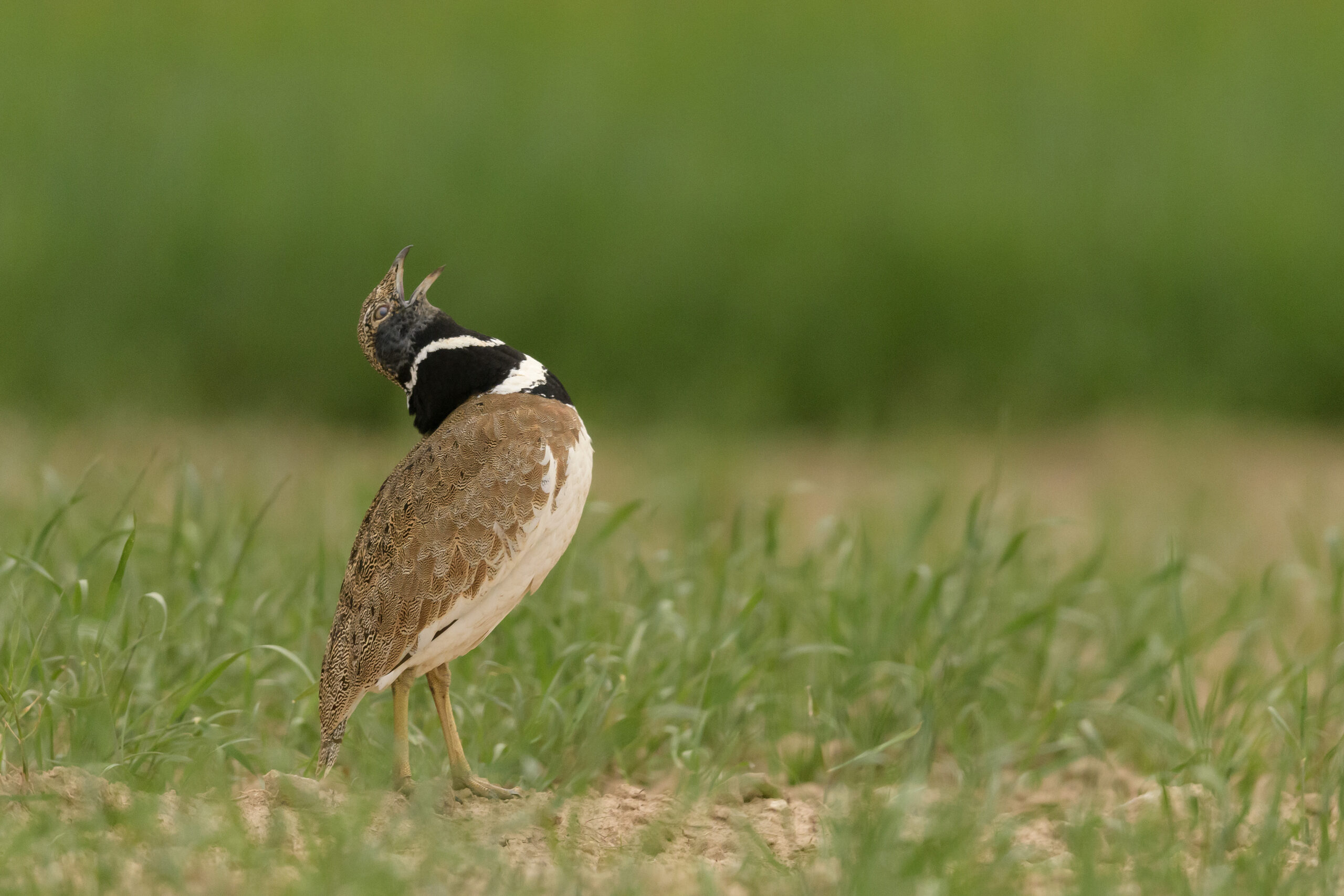
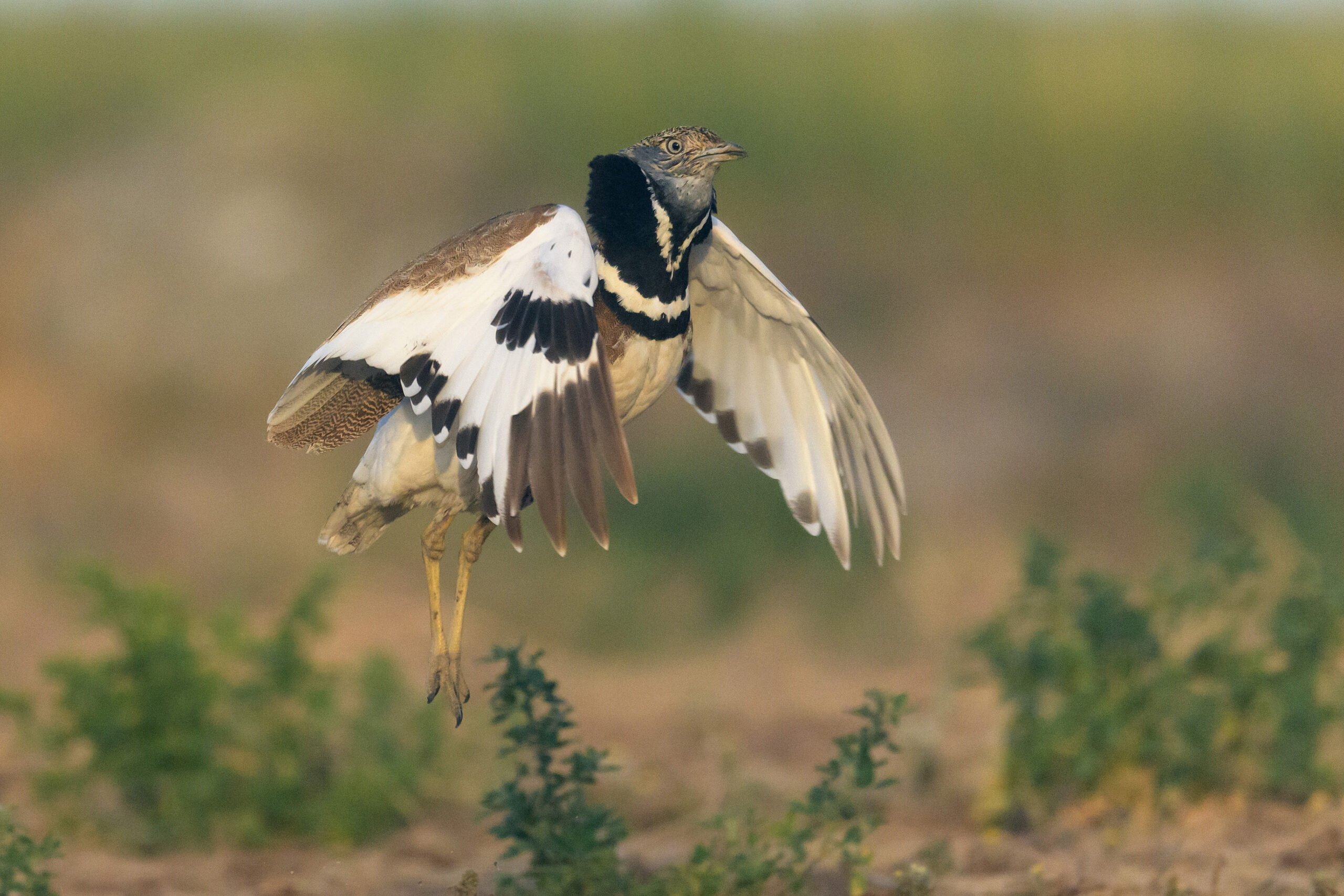
 The bustards usually give themselves away with their curious squelching call, and with a bit of luck they will strut their stuff in front of our hides, throwing their heads back and puffing out their “Pringle” V-necks. If we’re extra lucky, as their display reaches a crescendo they might leap triumphantly in to the air, still calling as they do so. I only learned recently that they don’t behave like this throughout their range, but it is a particularly photogenic feature of this Catalan population – if you’re quick enough. And after you’ve done all this, you can look forward to a late cooked breakfast back at the hotel before contemplating the rest of the day’s activities!
Other birds we might photograph in the steppe area include little owl, European bee-eater, hoopoe, stone-curlew, Iberian green woodpecker, calandra lark, corn bunting, etc, but much depends on the weather and on how advanced the breeding season is in any particular year. We can also place carrion to attract birds of prey such as black kite and marsh harrier. In 2023, two of our clients were somewhat surprised and delighted when an immature golden eagle dropped in front of their hide – the first known occurrence of a “goldie” coming to bait here.
The mountains
 We have an hour or two’s drive to reach the Pyrenees and the two different vulture feeding stations we visit, but vultures need thermals to fly easily so they’re not early risers. That means we can afford to make a coffee stop in one of the local bars before our photography sessions, where we’ll be met by our local guide. They then escort us to the hides and distribute the food. It isn’t long before the griffon vultures arrive, and we can see great squadrons of them launching and gliding down from the breeding crags higher up. Our guests are usually surprised by just how close the birds come to the hide, and I encourage them to have a wide lens available to photograph the flock early on. Griffons are the most sociable vulture, and they will be densely packed on the ground, but there will also be a lot of squabbling over the choicest scraps of meat.
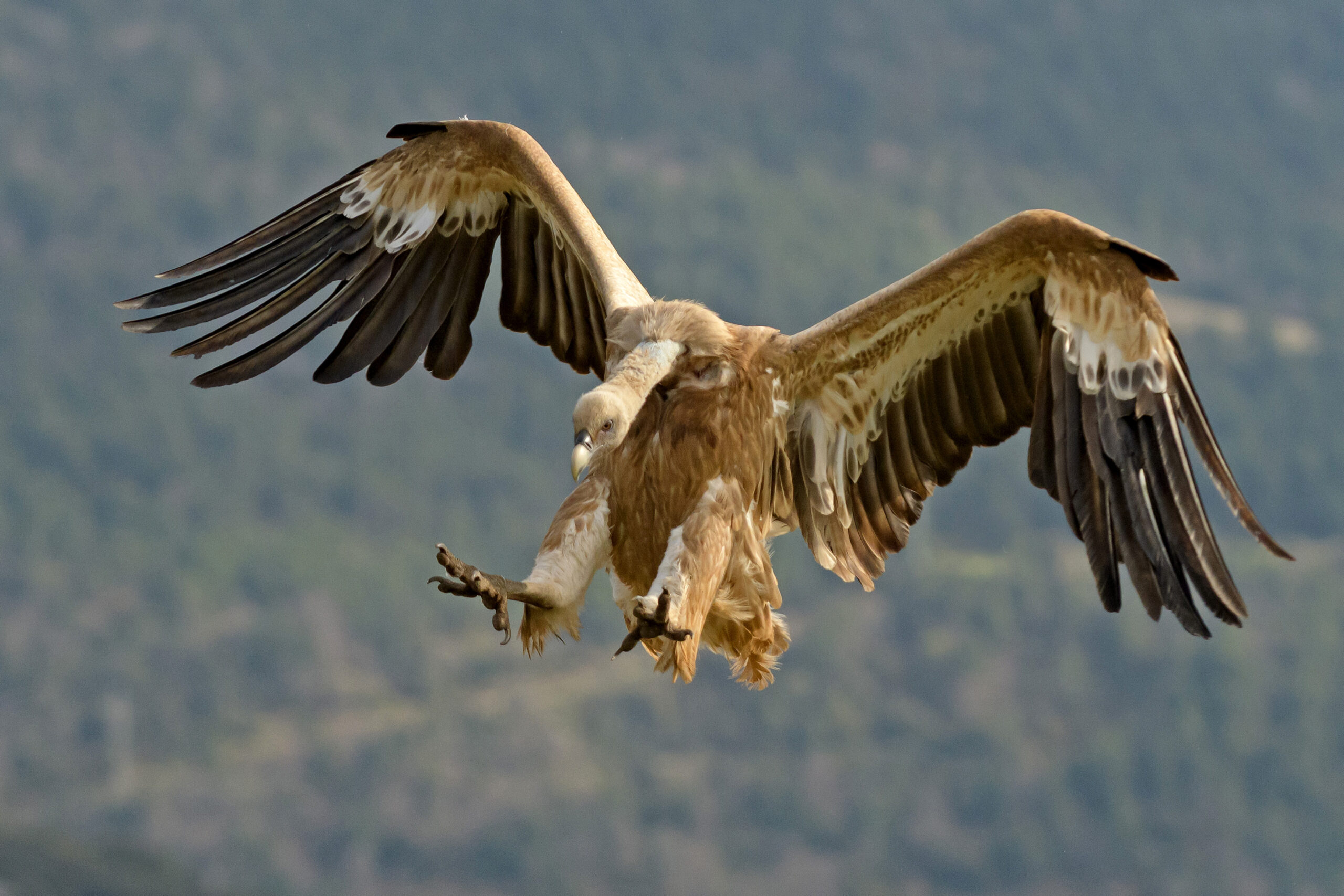
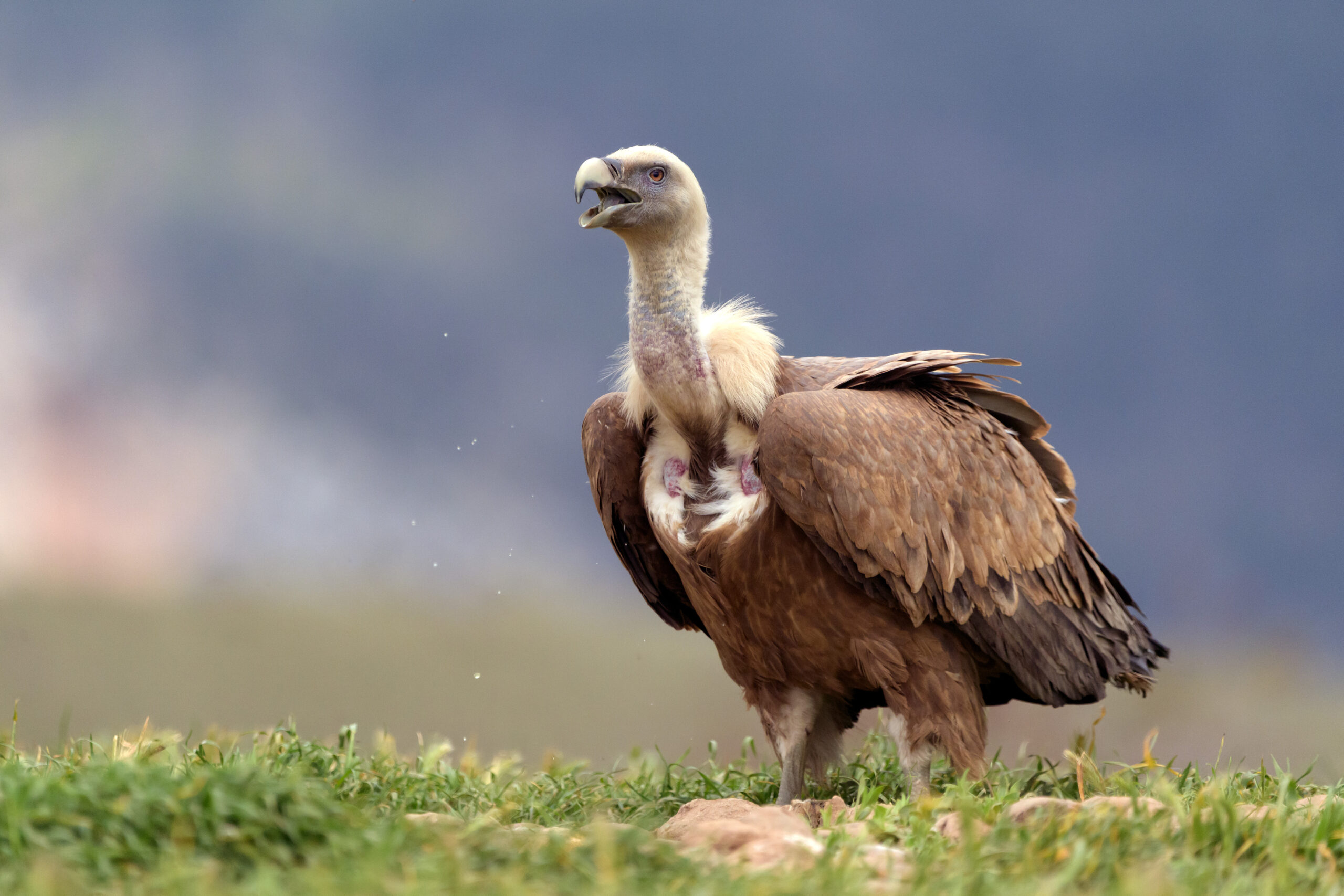

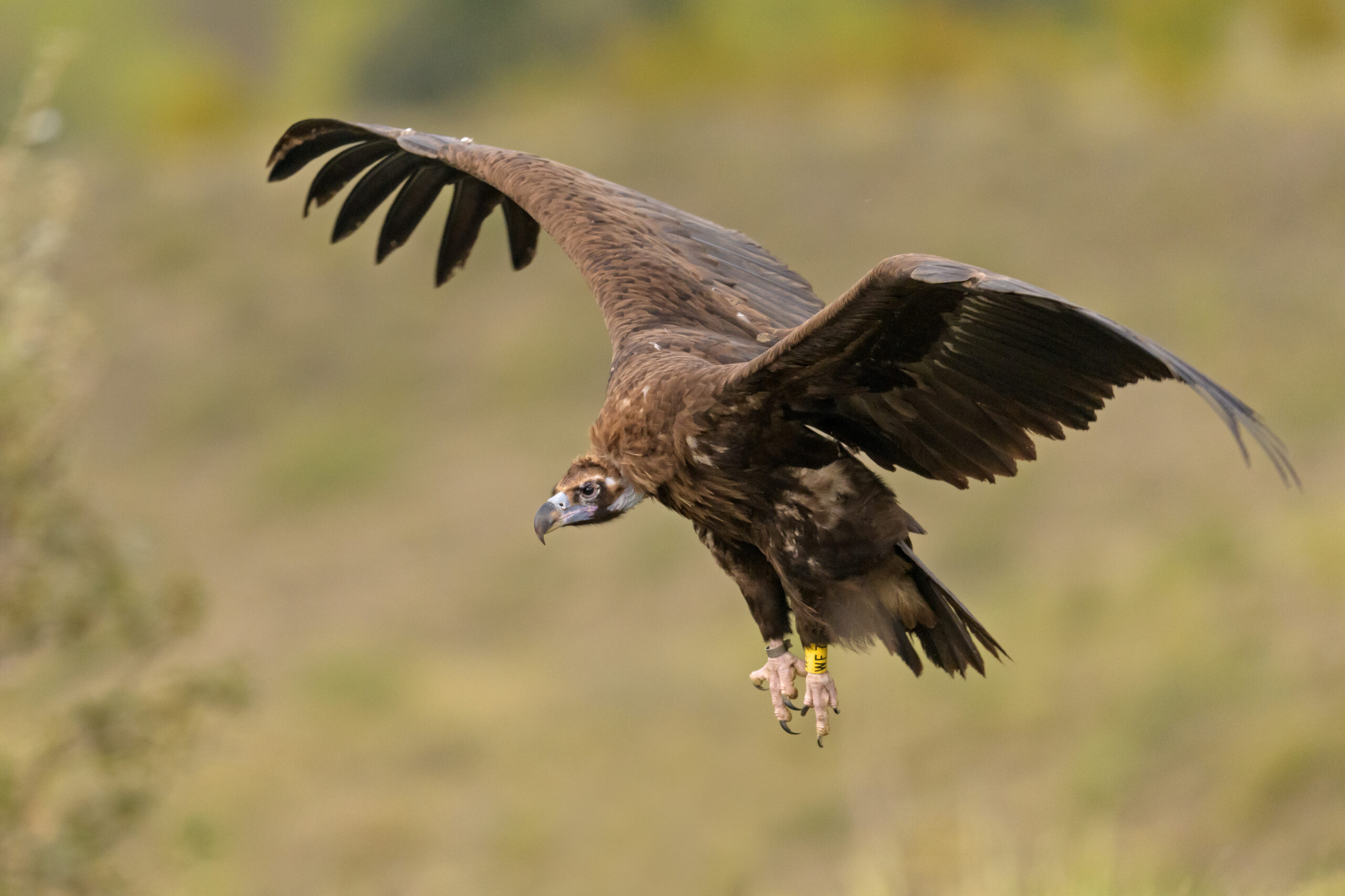
They’ll be accompanied by a fair number of ravens, so there’s quite a scrum for a while. Still, we have plenty of opportunity to photograph flight approaches, and as the feeding frenzy settles down it gets easier to pick out individuals, taking advantage of the various prepared perches. Black kites and red kites are also attracted to the food, and with luck we’ll have a few Egyptian vultures join the throng, and maybe a cinereous vulture (formerly known as the European black vulture) or two muscling in. At such close range, we can suddenly appreciate their intricate facial markings and those gorgeous blue and pink bare parts.



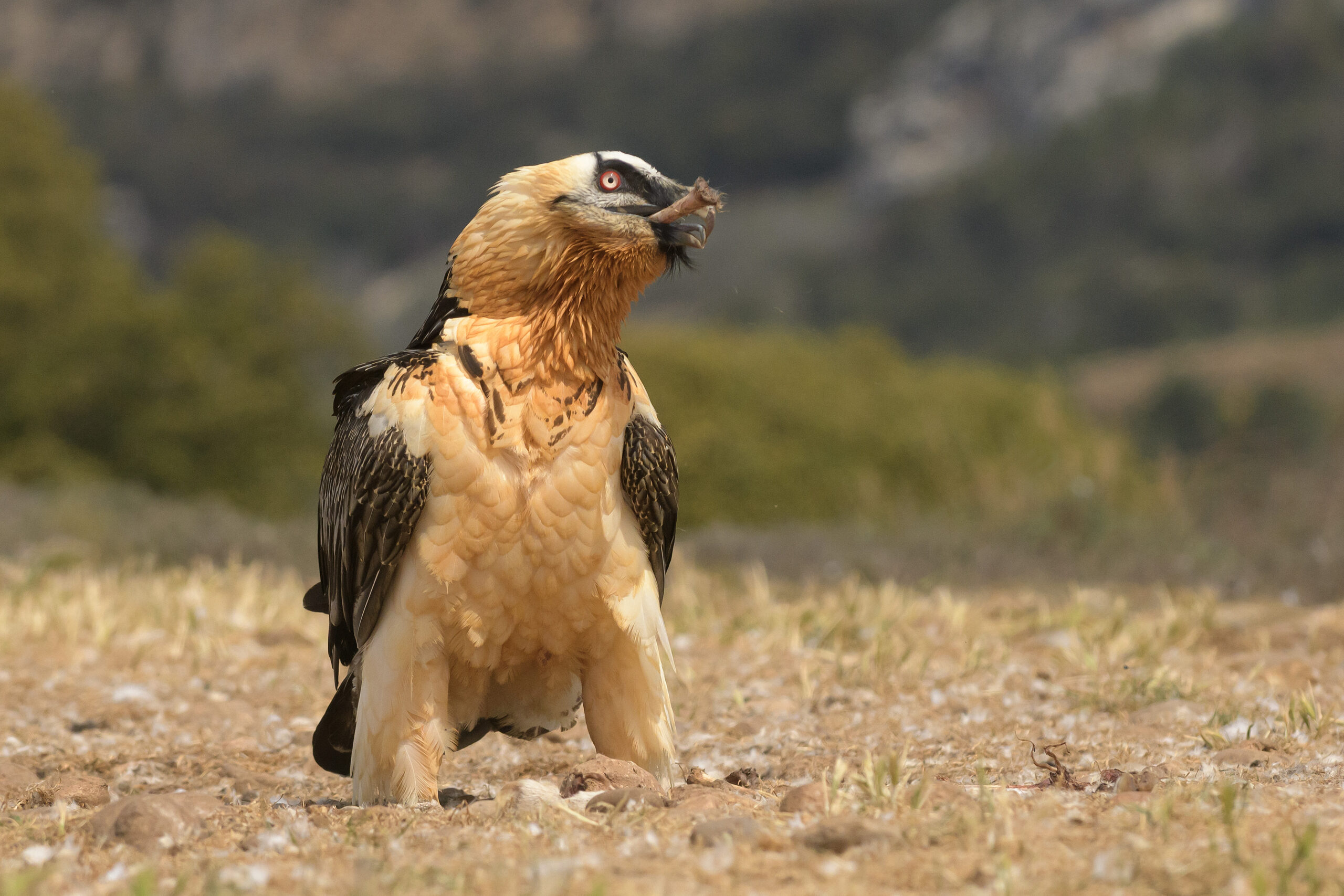
One of our feeding stations is also regularly visited by the lammergeier (or bearded vulture), Europe’s rarest vulture – though now increasing in numbers thanks to captive breeding programmes and supplementary feeding initiatives. These are no less impressive seen up close, with their cinnamon throats and bright crimson eye rings, and when they start tossing bones in the air and then swallowing them whole you can hear the gasps of wonder and admiration from your fellow photographers – while simultaneously engaging their continuous high speed drive mode. Lammergeiers look pretty amazing in flight too. Given that vultures also perform vital ecosystem services, I’m not quite sure why they don’t enjoy greater public affection, but you can see I’m doing my best to advocate.


We might also venture up to the high Pyrenees, where we have the chance to photograph the citril finch that lives around the tree line. The surest way to attract them is at a drinking pool, but that only works if there has been no rain for a few days, so once again we take local advice before setting out. Bonus birds here include rock bunting, crossbill, and crested tit.

The woodland
The middle of the day is generally much quieter for bird activity, but in the late afternoons and evenings we might turn our attention to a range of drinking pools, with attendant hides, in areas of woodland and scrub.

It is less easy to predict just which birds might come to drink and bathe – so you could be dealing with anything from a tiny serin to a hefty booted eagle. Telephoto zoom lenses are clearly an advantage here, or failing that it’s a good idea to have a second camera body fitted with a shorter focal length lens in preparation for a larger visitor. It’s another obvious benefit of the one-way glass system that you can change your rig without being seen from outside the hide, and without disturbing your subject. Our hosts will have set up an array of thoughtfully placed perches to suit most of the birds we might expect to visit, and it’s generally more successful to photograph birds on their approach to the pool, rather than in the water where it’s harder to control backgrounds. This is where we can really notch up a diverse range of subjects, and that often includes birds that are shy or skulking in their behaviour and normally difficult to see; for example, nightingale, Bonelli’s warbler, subalpine warbler, Orphean warbler, cirl bunting.


Every year is slightly different of course, and not all of our guests will end up photographing exactly the same subjects, but I think you can see there is no shortage of subject matter. One thing I can be pretty sure of is that something new and unexpected will present itself on our next visit.
Chris Gomersall
Back to news index2 thoughts on “Stepping into spring in Spain…”
Please address the areas highlighted below
These images are amazing, really looking forward to this trip next year, thanks for the blog , good to have a heads up on what to take
Glad you enjoyed the read and images Linda – you’ll have a great time next year for sure!